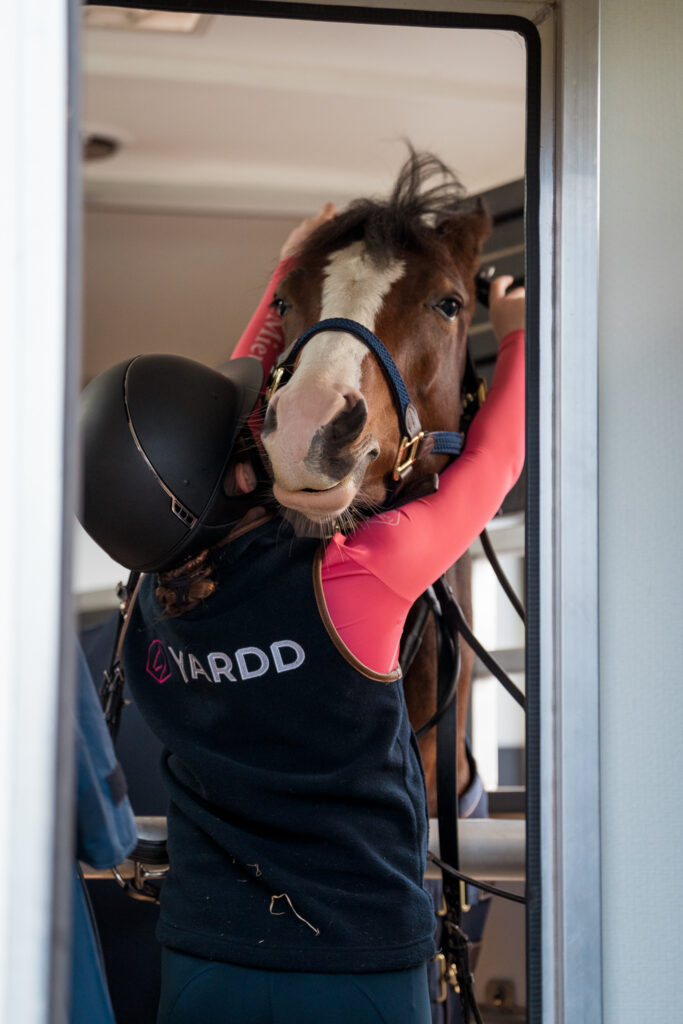
Wildlife Precautions While Camping with Horses
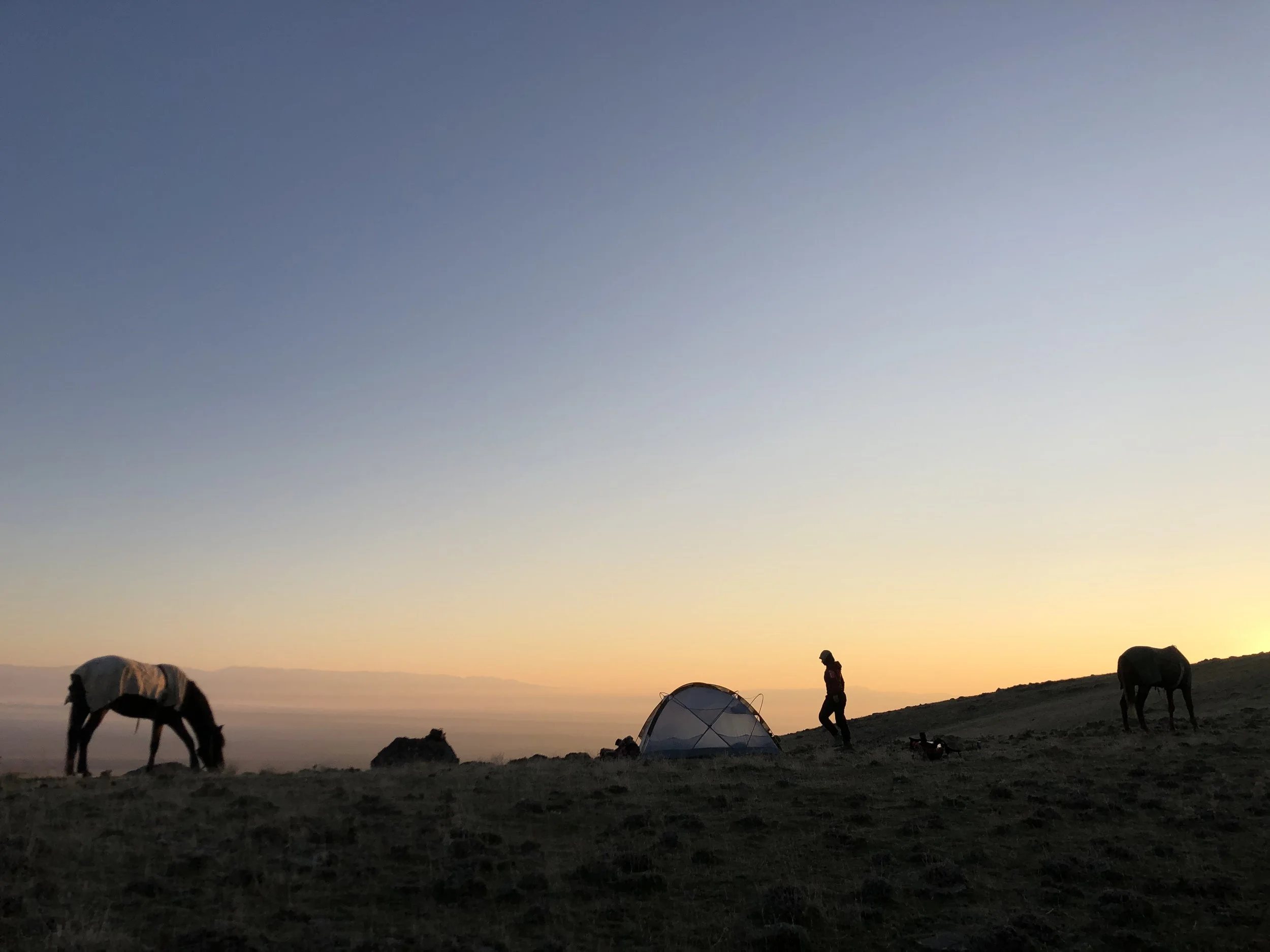
Camping with horses offers a unique and rewarding outdoor experience, but it also requires special attention to wildlife safety—for both you and your equine companions. This article explores essential precautions to take when camping with horses in wildlife-rich areas, ensuring a safe and enjoyable adventure.
Understanding Wildlife Risks
When camping in natural habitats, encounters with wildlife such as bears, mountain lions, snakes, and smaller critters are possible. Horses can be startled or injured by sudden wildlife appearances, and campers must be prepared to minimize risks.
Common Wildlife Hazards
| Wildlife Type | Potential Risk to Horses and Campers | Precautionary Measures |
|---|---|---|
| Bears | Aggression, food scavenging, horse spooking | Store food securely, use bear-proof containers, keep horses calm and away from food areas |
| Mountain Lions | Predatory behavior, especially towards foals | Avoid camping near dense brush, keep horses grouped, maintain vigilance during dawn/dusk |
| Snakes | Bites causing injury or infection | Check bedding and water sources, keep horses’ feet clear of tall grass, carry snakebite kits |
| Smaller Critters | Disease transmission, horse irritation | Maintain clean camp, avoid leaving food scraps, use insect repellents safe for horses |
Preparing Your Horse for Wildlife Encounters
- Training: Acclimate horses to sudden noises and movements to reduce spooking.
- Health Checks: Ensure vaccinations and parasite control are up to date.
- Equipment: Use reflective gear and bells to alert wildlife of your presence.
Safe Camping Practices
- Site Selection: Choose open areas with good visibility and away from animal trails.
- Food Storage: Use sealed containers and hang food away from horses and sleeping areas.
- Nighttime Safety: Keep horses tethered in secure spots, use lighting to deter nocturnal animals.
Emergency Response Tips
- Have a first aid kit tailored for both humans and horses.
- Know the local wildlife emergency contacts.
- Develop a plan for quick evacuation if wildlife poses a threat.
FAQ
Q1: How can I prevent my horse from spooking at wildlife?
A1: Gradual exposure to wildlife sounds and controlled training sessions can help desensitize your horse.
Q2: What should I do if I encounter a bear while camping with horses?
A2: Stay calm, keep horses close, avoid sudden movements, and slowly back away. Do not run.
Q3: Are there specific vaccinations my horse needs for camping in the wild?
A3: Consult your vet about vaccines for diseases prevalent in the area, such as West Nile Virus or Tetanus.
Camping with horses in wildlife areas demands respect for nature and preparedness. By understanding risks and implementing these precautions, you can enjoy a safe and memorable outdoor experience with your equine friends.
Happy trails and safe camping!