Why does your horse refuse to jump? There are various reasons why a horse might not want to jump, ranging from physical discomfort to psychological barriers. Understanding these factors is crucial to addressing the issue effectively and ensuring your horse’s well-being.
Common Reasons Why Horses Refuse to Jump
Is Your Horse Experiencing Physical Discomfort?
One of the most common reasons a horse refuses to jump is physical discomfort or pain. Consider the following:
- Saddle Fit: An ill-fitting saddle can cause significant discomfort. Ensure that the saddle fits properly and does not pinch or rub against the horse’s back.
- Lameness: Check for signs of lameness or injury. A horse that is sore or injured will naturally be reluctant to jump.
- Dental Issues: Sharp teeth or dental problems can cause pain when the bit is in the mouth, affecting performance.
Regular veterinary check-ups can help identify and address these issues early.
Could the Problem Be Training-Related?
Sometimes, a horse’s refusal to jump is due to training issues. Here’s what to consider:
- Lack of Confidence: A horse that lacks confidence may hesitate or refuse to jump. Gradually building up the horse’s confidence with smaller jumps can help.
- Inadequate Training: Ensure that the horse has been properly trained and is familiar with the jumping process. Training should be consistent and positive.
- Rider Influence: The rider’s position and cues can significantly impact a horse’s willingness to jump. Ensure you’re providing clear, consistent signals.
Is the Horse Facing Psychological Barriers?
Horses, like humans, can experience psychological barriers. Consider these factors:
- Fear: Past negative experiences with jumping can cause fear. Patience and positive reinforcement can help overcome this.
- Boredom: Repetitive training can lead to boredom. Varying the routine and introducing new challenges can keep the horse engaged.
- Environmental Factors: Loud noises or distractions can unsettle a horse. Ensure the jumping environment is calm and free from distractions.
Tips for Encouraging Your Horse to Jump
- Start Small: Begin with ground poles and gradually increase the height as your horse gains confidence.
- Positive Reinforcement: Reward your horse with treats or praise after successful jumps.
- Consistent Routine: Maintain a consistent training schedule to build trust and familiarity.
People Also Ask
How Can I Tell If My Horse Is in Pain?
Look for signs such as limping, reluctance to move, or changes in behavior. A thorough veterinary examination can provide a definitive answer.
What Are Some Training Techniques for Reluctant Jumpers?
Use positive reinforcement, start with small jumps, and gradually increase difficulty. Consistent and patient training is key.
How Do I Improve My Riding Technique for Jumping?
Focus on maintaining a balanced seat and clear communication with your horse. Consider taking lessons from a qualified instructor to refine your skills.
Can Horses Develop Phobias Related to Jumping?
Yes, negative experiences can lead to phobias. Addressing these with patience and positive experiences can help alleviate fear.
What Role Does Nutrition Play in a Horse’s Performance?
Proper nutrition is vital for energy and overall health. Ensure your horse’s diet meets its physical demands and includes necessary nutrients.
Conclusion
Understanding why your horse refuses to jump is essential for addressing the issue effectively. Whether due to physical discomfort, training challenges, or psychological barriers, identifying the root cause is the first step. By ensuring your horse is healthy, confident, and well-trained, you can foster a positive jumping experience. If you’re facing persistent issues, consider consulting with a professional trainer or veterinarian for further guidance.
For more information on horse care and training, explore our related articles on equine health and effective training methods.
Related Posts
- What are the psychological effects of spooking on a horse within a herd?
- Can warmblood horses be kept as pets?
- What are common mistakes to avoid when riding bareback?
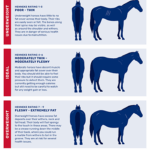 How to prevent obesity in horses
- How do environmental conditions affect a horse's electrolyte needs?
- How can I identify if my horse is not confident with my commands?
- How does a horse's past experiences affect its willingness to jump?
- How does lunging help with learning to post the trot?
- What other body language signs accompany relaxed ears in horses?
- How do horses' teeth change as they age?