When it comes to competitive horse care, providing electrolytes can be crucial for maintaining optimal health and performance. You should start giving electrolytes to a competing horse when it begins moderate to intense exercise, especially in hot or humid conditions. This helps replace essential minerals lost through sweat, ensuring your horse stays hydrated and healthy.
Understanding Electrolytes for Horses
Electrolytes are minerals that play a vital role in maintaining fluid balance, nerve function, and muscle contractions in horses. The primary electrolytes include sodium, chloride, potassium, calcium, and magnesium. During strenuous activity, horses lose these minerals through sweat, which can lead to dehydration and decreased performance if not replenished.
Why Are Electrolytes Important for Competing Horses?
- Hydration: Electrolytes help maintain fluid balance, preventing dehydration.
- Muscle Function: They are essential for proper muscle contractions and preventing cramps.
- Nerve Function: Electrolytes support nerve impulses, ensuring effective communication within the body.
- Recovery: They aid in quicker recovery post-exercise by replenishing lost minerals.
When to Start Giving Electrolytes to Your Horse
Factors to Consider
- Exercise Intensity: Horses engaging in moderate to intense exercise routines require electrolyte supplementation.
- Weather Conditions: In hot and humid climates, horses sweat more, increasing the need for electrolytes.
- Duration of Activity: Prolonged activities, such as endurance riding, necessitate electrolyte support.
- Diet and Health: Horses with diets lacking in essential minerals or those with specific health issues may benefit from added electrolytes.
Recommended Timing
- Before Exercise: Administer electrolytes a few hours before intense exercise to prepare the horse’s body.
- During Exercise: For long events, provide electrolytes at intervals to maintain balance.
- After Exercise: Post-exercise supplementation aids in recovery and prevents dehydration.
How to Administer Electrolytes to Horses
Methods of Administration
- Water: Dissolve electrolytes in the horse’s drinking water. Ensure fresh water is always available.
- Feed: Mix electrolytes with the horse’s regular feed.
- Paste: Use pre-packaged electrolyte pastes for convenient dosing.
Dosage and Frequency
- Follow the manufacturer’s instructions for dosage based on your horse’s weight and activity level.
- Avoid over-supplementation, which can lead to imbalances and health issues.
Practical Example: Electrolyte Use in Competitive Scenarios
Consider a horse participating in a three-day eventing competition. On day one, provide electrolytes in the morning feed. During cross-country on day two, administer an electrolyte paste mid-ride. After the event, ensure the horse has access to electrolyte-enriched water to aid recovery.
People Also Ask
What Are the Signs of Electrolyte Imbalance in Horses?
Signs of electrolyte imbalance include lethargy, muscle cramps, decreased performance, and irregular heart rate. If you notice these symptoms, consult a veterinarian for advice.
Can I Give My Horse Electrolytes Every Day?
Electrolytes can be given daily if your horse is regularly engaged in strenuous activity or during hot weather. However, it’s essential to tailor the dosage to the horse’s specific needs and monitor for any adverse effects.
Are There Natural Sources of Electrolytes for Horses?
Yes, natural sources include salt licks and mineral-rich feeds. Ensure your horse’s diet is balanced with adequate forage and grains to meet its mineral requirements.
How Do I Know If My Horse Needs Electrolytes?
Monitor your horse’s sweat rate, performance, and recovery. If your horse sweats excessively or shows signs of fatigue, electrolyte supplementation may be beneficial.
What Should I Do If My Horse Refuses Electrolyte Solutions?
Try different administration methods, such as mixing with feed or using flavored pastes. Ensure the solution is palatable and not overly concentrated.
Conclusion
Providing electrolytes to a competing horse is essential for maintaining health and performance. Start supplementation based on exercise intensity, weather conditions, and individual horse needs. By understanding when and how to administer electrolytes, you can ensure your horse stays hydrated and performs at its best. For further guidance, consider consulting with a veterinarian or equine nutritionist.
Related Posts
- Which dog breeds are known for being difficult to catch?
- What are the long-term effects of play on a horse's mental health?
- How does groundwork support organizational growth?
- How does lunging aid in building a horse's balance?
- What are signs that a horse is responding well to a half-halt?
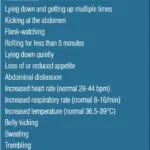 How to recognize colic in horses
- How do foals learn boundaries through play?
- How does the frequency of travel affect a horse's stress levels?
- Do all horses need probiotics?
- Is pawing an indication of a horse's personality?