Eventing became an official equestrian discipline in 1912 when it was included in the Olympic Games. This multi-phase competition tests a horse and rider’s versatility across dressage, cross-country, and show jumping.
What is Eventing in Equestrian Sports?
Eventing is a comprehensive equestrian competition designed to showcase the skills and endurance of both horse and rider. Often referred to as an "equestrian triathlon," it consists of three distinct phases: dressage, cross-country, and show jumping. Each phase tests different aspects of performance, from precision and grace to stamina and agility.
The Origins of Eventing
Eventing originated from military training exercises, where cavalry officers needed to demonstrate proficiency in various riding skills. The discipline evolved to become a civilian sport, gaining international recognition and eventually being included in the 1912 Stockholm Olympics. This marked a significant milestone in the history of equestrian sports, solidifying eventing’s status as a prestigious competitive discipline.
Understanding the Three Phases of Eventing
-
Dressage: This phase emphasizes precision, rhythm, and harmony between horse and rider. Competitors perform a series of predetermined movements, known as "tests," which are judged on accuracy and fluidity.
-
Cross-Country: The most physically demanding phase, cross-country involves navigating a course of natural and man-made obstacles, such as ditches, water jumps, and banks. Speed and endurance are crucial, as riders must complete the course within a set time limit.
-
Show Jumping: The final phase tests the horse’s agility and the rider’s control, as they navigate a course of jumps in an arena. The goal is to complete the course without knocking down any rails or incurring time penalties.
Why is Eventing Popular Among Equestrians?
Eventing is celebrated for its challenge and excitement, offering a comprehensive test of horsemanship. It attracts riders who are passionate about developing a deep partnership with their horses across multiple disciplines. The sport’s diverse skill set appeals to equestrians who enjoy the variety and intensity of competition.
Key Benefits of Participating in Eventing
- Skill Development: Riders enhance their abilities in dressage, cross-country, and show jumping.
- Versatility: Horses are trained to perform well in varied environments and conditions.
- Community: Eventing fosters a supportive community of riders, trainers, and enthusiasts.
How to Get Started in Eventing
For those interested in pursuing eventing, the following steps can help you embark on this exciting journey:
- Find a Qualified Trainer: Look for a coach with experience in eventing to guide your training.
- Join a Local Equestrian Club: Connecting with a community can provide valuable resources and support.
- Participate in Clinics and Workshops: These events offer opportunities to learn from experienced riders and improve your skills.
- Start Competing: Begin with lower-level competitions to gain experience and confidence.
People Also Ask
What are the Different Levels of Eventing Competitions?
Eventing competitions are categorized into levels based on difficulty, ranging from Beginner Novice to Advanced. Each level has specific requirements for dressage tests, cross-country courses, and show jumping heights.
How is Eventing Scored?
Scores in eventing are calculated by combining penalties from each phase. The lowest overall score wins. Penalties can result from errors in dressage, exceeding time limits in cross-country, or faults in show jumping.
What Type of Horse is Best for Eventing?
Eventing horses should be athletic, versatile, and have a good temperament. Thoroughbreds and warmbloods are popular choices due to their stamina and agility.
Can Beginners Participate in Eventing?
Yes, beginners can participate in eventing by starting at the lower levels, such as Beginner Novice. It’s important to train with an experienced instructor to ensure safety and proper skill development.
What Equipment is Needed for Eventing?
Essential equipment includes a well-fitted saddle, bridle, protective gear for both horse and rider, and specialized attire for each phase. Safety vests and helmets are crucial for cross-country.
Conclusion
Eventing’s rich history and multifaceted nature make it a captivating discipline within equestrian sports. Whether you’re a seasoned rider or a newcomer, the sport offers a unique blend of challenge and camaraderie. By understanding its origins, phases, and requirements, you can appreciate why eventing continues to thrive as a beloved equestrian pursuit.
For more information on related equestrian disciplines, consider exploring articles on dressage techniques, cross-country training tips, and show jumping strategies.
Related Posts
- What is the role of physical therapy in a horse's fracture recovery?
- What are the benefits of glucosamine for older horses?
- What was the primary purpose of horse armor in medieval warfare?
- How can education encourage students to embrace diversity of thought?
- How often should I have my horse's hooves trimmed or shod?
- What should I do if my horse responds to aids inconsistently?
- What types of weapons and armor were used in jousting tournaments?
- What should I avoid when teaching the use of transitions in essays?
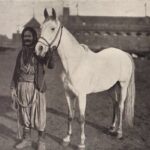 Arabian horses around the world: global influence
- Were there differences in the horses used by light and heavy cavalry?