Napoleon’s horse, Marengo, played a significant role in his military campaigns, symbolizing the strength and determination of the French leader. This famous steed was not just a mode of transport but a companion in pivotal battles, embodying the spirit of the Napoleonic era.
What Was Marengo’s Role in Napoleon’s Military Campaigns?
Marengo, a small but sturdy Arabian horse, was one of Napoleon Bonaparte’s most trusted mounts. Captured in Egypt and named after the Battle of Marengo in 1800, this horse became an enduring symbol of Napoleon’s military prowess. Marengo carried Napoleon through several key battles, including Austerlitz, Jena, and Wagram, showcasing the close bond between leader and steed.
Why Was Marengo Important to Napoleon?
Marengo was more than just a horse to Napoleon. This loyal companion was present at many significant victories, serving as a living emblem of Napoleon’s strategic brilliance. Marengo’s importance can be attributed to several factors:
- Reliability: Marengo was known for his endurance and speed, crucial for battlefield maneuvers.
- Symbolism: As a constant presence in battles, Marengo became a symbol of Napoleon’s leadership.
- Companionship: The horse provided a sense of continuity and morale for Napoleon and his troops.
How Did Marengo Influence Napoleon’s Battles?
Marengo’s influence extended beyond his physical presence. His role in the military campaigns was multifaceted:
- Boosting Morale: The sight of Napoleon on Marengo inspired confidence in French troops.
- Strategic Mobility: Marengo’s agility allowed Napoleon to quickly assess and respond to battlefield developments.
- Personal Connection: The bond between Napoleon and Marengo exemplified leadership and loyalty.
What Happened to Marengo After Napoleon’s Defeat?
After Napoleon’s defeat at the Battle of Waterloo in 1815, Marengo was captured by the British. Despite his age, the horse was transported to England, where he lived out his days. Marengo’s legacy continued as he became a part of British military history, with his skeleton displayed at the National Army Museum in London.
People Also Ask
How Did Marengo Get His Name?
Marengo was named after the Battle of Marengo, a decisive victory for Napoleon in 1800. This battle marked a turning point in Napoleon’s Italian campaign, and the horse’s name commemorates this triumph.
Was Marengo the Only Horse Napoleon Rode?
No, Napoleon had several horses, but Marengo was among the most famous. Other notable horses included Vizir and Intendant. However, Marengo’s presence in key battles made him particularly memorable.
What Did Marengo Symbolize for the French Army?
Marengo symbolized endurance, victory, and leadership. His presence on the battlefield was a morale booster, representing the strength and resilience of the French forces under Napoleon.
How Did Marengo’s Capture Impact Napoleon?
While Marengo’s capture did not directly impact Napoleon’s military strategies, it was a symbolic loss. The horse’s capture represented the end of an era for Napoleon and his campaigns.
Where Can You See Marengo Today?
Marengo’s skeleton is on display at the National Army Museum in London. This exhibit allows visitors to connect with a tangible piece of Napoleonic history.
Conclusion
Marengo’s role in Napoleon’s military campaigns was both symbolic and practical, representing the bond between a leader and his trusted steed. Through battles and beyond, Marengo stood as a testament to the endurance and determination of Napoleon’s forces.
For more insights into Napoleon’s military strategies or the significance of historical horses, explore related topics on military history and the Napoleonic Wars.
Related Posts
- Can a horse live with a fractured tooth without treatment?
- What types of transitions are most effective in surveys?
- How can transitions be customized for different types of respondents?
- Should I consult a professional trainer for a horse afraid to back up?
- What are common causes of riding fears that therapy can address?
- What are common mistakes when clipping a nervous horse?
- What is the relationship between saliva and a horse's dental health?
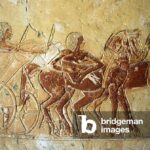 Horses in ancient civilizations: egypt, greece, and rome
- How does riding circles help with a horse's flexibility?
- How do I educate farm workers about implementing a pasture rotation schedule?