Improving the gait of endurance horses is crucial for enhancing their performance and minimizing the risk of injury. Training techniques that focus on developing a horse’s gait can lead to more efficient movement and better endurance outcomes. This article explores various methods and strategies used to improve gait in endurance horses, providing insights into effective training practices.
What Are the Key Training Techniques for Improving Gait in Endurance Horses?
Endurance horses require specialized training to optimize their gait, ensuring they can cover long distances efficiently. Key techniques include groundwork exercises, hill work, and interval training. These methods help build strength, balance, and coordination, which are essential for a smooth and sustainable gait.
How Does Groundwork Improve Gait?
Groundwork lays the foundation for a horse’s training by improving balance and coordination. Exercises such as lunging and long-lining encourage horses to engage their core muscles, leading to a more balanced gait.
- Lunging: This exercise helps horses develop muscle symmetry and rhythm.
- Long-lining: Encourages horses to move forward in a straight line, promoting even weight distribution.
Why Is Hill Work Beneficial for Gait Enhancement?
Hill work strengthens a horse’s hindquarters, which is crucial for a powerful and efficient gait. By incorporating hill exercises into training routines, horses learn to use their bodies more effectively.
- Uphill Work: Builds strength and endurance in the hindquarters.
- Downhill Work: Improves balance and coordination, teaching horses to control their speed and stride.
What Role Does Interval Training Play in Gait Improvement?
Interval training involves alternating between periods of intense exercise and rest, which enhances a horse’s stamina and cardiovascular fitness. This type of training is particularly effective for endurance horses as it mimics the demands of long-distance events.
- Short Bursts of Speed: Encourage quick recovery and improved cardiovascular function.
- Rest Periods: Allow muscles to recover, reducing the risk of fatigue.
How Can Equipment and Terrain Influence Gait?
The choice of equipment and terrain can significantly impact a horse’s gait. Using appropriate tack and selecting varied terrains can help horses develop a more adaptable and resilient gait.
What Equipment Enhances Gait Training?
- Proper Saddle Fit: Ensures comfort and freedom of movement.
- Hoof Boots: Protect hooves and provide traction on different surfaces.
How Does Terrain Variation Affect Gait?
- Soft Surfaces: Encourage joint flexibility and muscle development.
- Hard Surfaces: Build bone density and strength.
People Also Ask
How Can Diet Affect an Endurance Horse’s Gait?
A balanced diet is crucial for maintaining a horse’s energy levels and muscle function. Proper nutrition supports muscle recovery and overall stamina, which are vital for a consistent gait.
What Are Common Mistakes in Gait Training for Endurance Horses?
Common mistakes include overtraining, neglecting rest periods, and using inappropriate equipment. These errors can lead to fatigue, injury, and an uneven gait.
How Often Should Gait Training Be Conducted?
Gait training should be integrated into a horse’s routine regularly but not daily. A balanced schedule with rest days is essential for recovery and muscle development.
Can Older Horses Improve Their Gait?
Yes, with appropriate training and care, older horses can improve their gait. Focus on low-impact exercises and maintain a consistent training schedule to enhance their performance.
What Are Signs of an Improved Gait in Horses?
Signs of an improved gait include a smoother stride, better balance, and increased stamina. Horses will also show less fatigue over long distances.
Conclusion
Improving the gait of endurance horses involves a combination of groundwork, hill work, and interval training. By focusing on these techniques and considering factors like equipment and terrain, trainers can enhance a horse’s performance and longevity. For those looking to delve deeper into horse training, exploring topics such as equine nutrition and injury prevention can provide additional insights.
Related Posts
- Can cultural background affect the adaptability of groundwork techniques?
- What role did Spanish royalty play in the preservation of Andalusian horses?
- How should I adjust my pace for downhill sections?
- What is the difference between cleaning and conditioning a leather saddle?
- How can I assess the risk level of a storm for my horse?
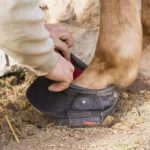 Hoof boot selection for different terrains for your horse
- How can I make grooming a bonding experience for my horse?
- What supplements are recommended for boosting a horse's stamina?
- What is the average size of a Friesian horse?
- What are the best long-term strategies for managing a dominant horse?