Endurance horses, known for their stamina and resilience, can present unique temperament challenges that require careful management. Understanding these challenges is crucial for ensuring the well-being and performance of the horse. This article explores common temperament issues in endurance horses and offers practical solutions.
What Are the Common Temperament Challenges in Endurance Horses?
Endurance horses often face challenges such as anxiety, nervousness, and overexcitement. These issues can affect their performance and overall health. Proper training, consistent routines, and a calm environment can help mitigate these challenges.
Why Do Endurance Horses Experience Anxiety?
Anxiety in endurance horses can stem from various factors, such as changes in routine, unfamiliar environments, or separation from herd mates. Horses are naturally social animals, and disruptions can lead to stress.
- Unfamiliar Environments: Exposure to new settings during competitions can trigger anxiety.
- Routine Changes: Alterations in feeding or training schedules may cause stress.
To alleviate anxiety, maintain a consistent routine and gradually introduce new environments to your horse.
How Can Overexcitement Affect Endurance Horses?
Overexcitement can lead to issues like loss of focus and wasted energy. Horses may become difficult to control, increasing the risk of injury or poor performance.
- Loss of Focus: Excited horses may struggle to concentrate on tasks.
- Wasted Energy: Excessive energy can lead to fatigue, impacting endurance.
Training techniques such as desensitization and groundwork exercises can help manage overexcitement.
What Role Does Nervousness Play in Performance?
Nervousness can impair an endurance horse’s ability to perform optimally. It may manifest as restlessness, sweating, or tension.
- Restlessness: Nervous horses may pace or fidget.
- Sweating and Tension: Physical signs of stress can indicate nervousness.
To reduce nervousness, provide a calm and supportive environment, and consider using natural supplements like magnesium or herbal remedies.
How to Manage Temperament Challenges in Endurance Horses
Managing temperament challenges requires a holistic approach, combining training, environment, and nutrition.
Training Techniques for Anxiety and Overexcitement
- Desensitization: Gradually expose your horse to potential stressors to build confidence.
- Groundwork Exercises: Improve focus and obedience through structured training.
Creating a Calm Environment
- Consistent Routine: Maintain regular feeding and training schedules.
- Familiar Companions: Keep horses with familiar herd mates to reduce stress.
Nutritional Support for Nervous Horses
- Magnesium Supplements: Known to help calm nervous horses.
- Herbal Remedies: Chamomile and valerian root may reduce anxiety.
People Also Ask
What Are the Signs of Anxiety in Horses?
Signs of anxiety in horses include pacing, excessive sweating, and restlessness. Horses may also show reluctance to eat or drink, indicating stress.
How Can I Calm an Excited Horse?
Calming an excited horse involves using techniques such as deep breathing exercises, groundwork, and ensuring a calm environment. Consistent training and exposure to various stimuli can also help.
What Supplements Help Nervous Horses?
Supplements like magnesium, B vitamins, and herbal remedies such as chamomile can help calm nervous horses. Always consult a veterinarian before introducing new supplements.
Why Is Routine Important for Horses?
Routine provides stability and predictability, reducing stress and anxiety. Horses thrive on consistency in feeding, training, and social interactions.
How Can I Improve My Horse’s Focus?
Improving a horse’s focus involves regular training, mental stimulation, and desensitization exercises. Incorporating variety in training can also enhance concentration.
Summary
Addressing temperament challenges in endurance horses involves understanding their unique needs and implementing strategies to manage anxiety, overexcitement, and nervousness. By creating a consistent routine, providing a calm environment, and incorporating appropriate training techniques, you can enhance your horse’s performance and well-being.
For more insights on horse training and care, consider exploring topics such as equine nutrition and horse behavior management.
Related Posts
- What are the benefits of vitamin E for horses?
- Can I use old horse feed for compost if it spoils?
- What breeds of horses were most commonly used in agriculture?
- What are the considerations for vaccinating pregnant mares?
- How can a horse's patience be improved with trailer loading exercises?
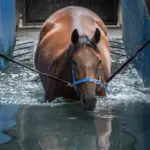 The importance of a good horse hydration
- Do certain breeds have more stamina for running and evading capture?
- How did horses contribute to the spread of medieval empires?
- Is there a difference between sports massage and relaxation massage for horses?
- What training methods help desensitize a spooky horse?