To clean old tack effectively, you’ll need specific supplies and a methodical approach. Essential items include a saddle soap, a leather conditioner, and soft cloths, ensuring your tack remains in top condition while prolonging its lifespan.
What Supplies Do You Need to Clean Old Tack?
Cleaning old tack requires a few key supplies to ensure thorough maintenance and care. Here’s a list of the essentials:
- Saddle Soap: This is crucial for cleaning leather tack. It helps remove dirt and grime while conditioning the leather.
- Leather Conditioner: After cleaning, conditioning helps keep the leather supple and prevents cracking.
- Soft Cloths: Use lint-free cloths for applying soap and conditioner to avoid leaving fibers on the tack.
- Stiff Brush: For removing caked-on dirt and debris from hard-to-reach areas.
- Water: Lukewarm water is ideal for creating a gentle cleaning solution with saddle soap.
- Sponges: Useful for applying cleaners and conditioners evenly.
- Bucket: To hold water and cleaning solutions.
How to Clean Old Tack: Step-by-Step Guide
Cleaning old tack involves several steps to ensure the leather is well-maintained and protected. Follow this guide to clean your tack effectively:
-
Prepare Your Workspace
- Choose a well-ventilated area with good lighting.
- Lay down a clean cloth or towel to protect surfaces.
-
Remove Loose Dirt and Debris
- Use a stiff brush to remove loose dirt and debris from the tack.
- Pay special attention to seams and crevices where dirt accumulates.
-
Clean with Saddle Soap
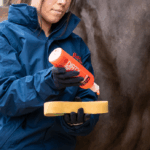
- Dampen a sponge with lukewarm water and apply saddle soap.
- Work the soap into a lather and gently scrub the leather.
- Wipe away excess soap with a clean, damp cloth.
-
Rinse and Dry
- Use another damp cloth to rinse off any remaining soap residue.
- Dry the tack with a soft towel, ensuring no moisture remains on the leather.
-
Condition the Leather
- Apply leather conditioner using a clean cloth.
- Rub the conditioner into the leather in circular motions.
- Let the conditioner absorb for at least 30 minutes before wiping off any excess.
Why Regular Maintenance is Important
Regular maintenance of your tack is essential for several reasons:
- Prolongs Lifespan: Consistent cleaning and conditioning prevent the leather from drying out and cracking.
- Ensures Safety: Well-maintained tack is less likely to break during use, ensuring rider and horse safety.
- Preserves Appearance: Regular care keeps tack looking its best, maintaining its aesthetic appeal.
Common Mistakes to Avoid When Cleaning Tack
When cleaning tack, it’s important to avoid common mistakes that can damage the leather:
- Using Harsh Chemicals: Avoid using household cleaners or detergents, which can strip the leather of its natural oils.
- Skipping Conditioning: Failing to condition leather after cleaning can lead to dryness and cracking.
- Over-wetting: Excessive moisture can cause leather to become waterlogged and damaged.
People Also Ask
How Often Should I Clean My Tack?
For optimal maintenance, clean your tack after every use. If that’s not feasible, aim for a thorough cleaning at least once a month, with regular spot cleaning as needed.
Can I Use Olive Oil as a Leather Conditioner?
While olive oil can be used in a pinch, it’s not recommended for regular conditioning. It can darken leather and attract dust. Stick to products specifically designed for leather care.
What Should I Do if My Tack Gets Moldy?
If you find mold on your tack, clean it immediately with a vinegar solution (1 part vinegar to 3 parts water) before applying saddle soap. Ensure the tack is thoroughly dried and conditioned afterward.
Is It Safe to Use a Hairdryer to Dry Tack?
It’s best to avoid using a hairdryer, as the heat can dry out and damage the leather. Instead, let the tack air dry naturally in a well-ventilated area.
How Can I Store Tack to Prevent Damage?
Store your tack in a cool, dry place away from direct sunlight. Use a tack room or a dedicated space with stable temperatures to prevent damage from humidity and heat.
Conclusion
Taking care of old tack requires a combination of the right supplies and consistent maintenance. By following the steps outlined above and avoiding common pitfalls, you can ensure your tack remains in excellent condition for years to come. Regular cleaning not only enhances the longevity of the leather but also guarantees safety and aesthetic appeal. For further tips on tack maintenance, consider exploring related topics such as "How to Store Tack Properly" and "Choosing the Right Leather Conditioner."
Related Posts
 How to maintain a shiny horse coat
- How does a horse's training influence its response to unclear leadership?
- How can I differentiate between anxiety and other causes of head tossing in horses?
- Do horses have a memory for the sounds of different predators?
- How does lunging help in managing the energy levels of young horses?
- What role does a horse's training history play in its jumping and vision?
- What is the impact of weed control on forage quality in pastures?
- Can horses understand human vocalizations?
- How does a horse's memory of food locations affect its behavior?
- How does a balanced diet support healthy aging?