Herd dynamics play a crucial role in equine stress management by influencing horses’ social interactions and emotional well-being. Understanding these dynamics can help horse owners and caretakers create a more harmonious environment, reducing stress and promoting healthy behavior among horses.
How Do Herd Dynamics Affect Equine Stress?
Herd dynamics refer to the social structures and behaviors observed within a group of horses. These dynamics can significantly impact a horse’s stress levels, as horses are naturally social animals that rely on group interactions for safety and comfort.
- Social Hierarchy: Horses establish a pecking order within their herd, which determines access to resources such as food and water. A stable hierarchy can minimize conflicts and reduce stress.
- Grooming and Bonding: Mutual grooming and close bonds between horses help reduce anxiety and reinforce social ties.
- Safety in Numbers: Being part of a herd provides a sense of security, as horses rely on collective vigilance to detect threats.
What Are the Signs of Stress in Horses?
Recognizing stress in horses is essential for effective management. Signs of stress can include:
- Changes in Behavior: Horses may become more aggressive, withdrawn, or exhibit repetitive behaviors such as cribbing.
- Physical Symptoms: Look for signs like weight loss, changes in appetite, or digestive issues.
- Performance Issues: Stress can lead to decreased performance and reluctance to work.
How Can Herd Dynamics Be Managed to Reduce Stress?
Managing herd dynamics effectively can reduce stress and improve overall well-being for horses. Here are some strategies:
- Stable Group Composition: Maintain consistent herd groups to build strong social bonds.
- Adequate Space: Provide enough space for horses to move freely and avoid conflicts.
- Balanced Hierarchy: Monitor interactions to ensure no horse is excessively dominant or bullied.
- Socialization Opportunities: Allow horses regular opportunities to interact with others.
Practical Examples of Herd Dynamics in Action
Consider a scenario where a new horse is introduced to an existing herd. Initially, there may be tension as the horses establish a new hierarchy. However, with careful observation and management, the horses will likely settle into a stable social structure, reducing stress for all members.
Case Study: A study conducted by the University of Bristol found that horses in stable, well-managed herds exhibited lower levels of cortisol, a stress hormone, compared to those in unstable groups. This highlights the importance of understanding and managing herd dynamics effectively.
People Also Ask
What Is the Best Way to Introduce a New Horse to a Herd?
Introduce a new horse gradually by allowing it to interact with one or two calm horses before meeting the entire group. This helps reduce stress and aggression.
Can Horses Get Lonely Without a Herd?
Yes, horses can experience loneliness and stress when isolated. They thrive in social environments and benefit from companionship.
How Does a Dominant Horse Affect Herd Dynamics?
A dominant horse plays a crucial role in maintaining order within the herd. However, excessive aggression from a dominant horse can lead to stress and should be managed carefully.
Why Is Social Hierarchy Important in Horse Herds?
A clear social hierarchy helps reduce conflicts over resources and establishes predictable interactions, minimizing stress within the herd.
How Can I Tell if My Horse Is Happy in Its Herd?
A happy horse will exhibit relaxed behavior, engage in mutual grooming, and show interest in its surroundings. Consistent eating and resting patterns also indicate contentment.
Conclusion
Understanding and managing herd dynamics is essential for effective equine stress management. By recognizing the importance of social structures and behaviors, horse owners can create environments that promote well-being and reduce stress. For more insights on equine behavior, consider exploring related topics such as equine nutrition and horse training techniques.
Related Posts
- How can I safely interact with a dominant horse?
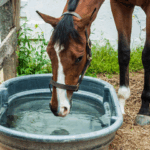 Hydration monitoring: ensuring adequate water intake for your horse
- What role do half-halts play in refining a horse's movements?
- What are the signs that my horse is uncomfortable with bareback riding?
- What role does positive reinforcement play in building rider confidence for jumping?
- What exercises can help build a horse's stamina for mountain trails?
- Do Lipizzaners exhibit unique play behaviors due to their training?
- How do you start long-lining a horse for the first time?
- Can a dominant horse become submissive with training?
- Can feeding frequency influence a horse's rushing behavior?