Drainage is a crucial factor when choosing footing materials for construction projects, as it affects both the longevity and performance of the structure. Proper drainage ensures that water is effectively managed, preventing damage and maintaining the integrity of the footing. Understanding the role of drainage in this context can help you make informed decisions for your construction needs.
Why is Drainage Important in Footing Materials?
Drainage plays a vital role in footing materials by preventing water accumulation that can lead to structural issues. Without proper drainage, water can cause soil erosion, weaken the foundation, and lead to costly repairs. Choosing the right footing materials with good drainage properties helps maintain the stability and durability of the structure.
How Does Poor Drainage Affect Footing?
Poor drainage can have several negative impacts on footing materials, including:
- Soil Erosion: Excess water can wash away the soil around the footing, compromising its stability.
- Foundation Weakening: Water accumulation can weaken the foundation over time, leading to cracks and structural damage.
- Increased Maintenance Costs: Addressing drainage issues after construction can be costly and time-consuming.
What Are the Best Footing Materials for Drainage?
Selecting the right footing materials is essential for effective drainage. Here are some materials known for their good drainage properties:
- Gravel: Provides excellent drainage and is often used in conjunction with other materials to improve stability.
- Crushed Stone: Offers both stability and drainage, making it a popular choice for footings.
- Sand: Allows water to drain quickly, preventing water accumulation around the foundation.
How to Ensure Proper Drainage for Footing Materials?
Ensuring proper drainage involves several steps and considerations:
- Site Assessment: Evaluate the site to understand water flow patterns and potential drainage issues.
- Material Selection: Choose materials with good drainage properties, such as gravel or crushed stone.
- Drainage Systems: Install drainage systems like French drains or surface drains to direct water away from the foundation.
- Regular Maintenance: Inspect and maintain drainage systems to ensure they function effectively over time.
Practical Examples of Drainage in Footing Materials
Consider a residential construction project in a region with heavy rainfall. Using gravel as a footing material, combined with a well-designed French drain system, can effectively manage water runoff and prevent foundation issues. This setup ensures that water is directed away from the foundation, maintaining the structure’s integrity.
People Also Ask
What is the best material for footing drainage?
The best material for footing drainage is often gravel or crushed stone, as they provide excellent water flow and prevent accumulation around the foundation. These materials help maintain stability and reduce the risk of structural damage.
How does water affect concrete footings?
Water can negatively impact concrete footings by causing cracks and weakening the structure over time. Proper drainage is essential to prevent water from pooling around the concrete, ensuring it remains strong and durable.
Can poor drainage cause foundation problems?
Yes, poor drainage can lead to significant foundation problems. Water accumulation can cause soil erosion, weaken the foundation, and result in cracks and structural issues. Implementing effective drainage solutions is crucial to prevent these problems.
What are the signs of poor drainage around footings?
Signs of poor drainage around footings include standing water, soil erosion, foundation cracks, and water stains on the foundation walls. Addressing these issues promptly can prevent further damage.
How can I improve drainage around my foundation?
To improve drainage around your foundation, consider installing French drains, grading the landscape to direct water away from the foundation, and using materials like gravel to enhance drainage. Regular maintenance of drainage systems is also essential.
Summary
In conclusion, drainage is a critical consideration when choosing footing materials for construction projects. Proper drainage prevents water-related issues, ensuring the longevity and stability of the structure. By selecting materials with good drainage properties and implementing effective drainage systems, you can protect your investment and avoid costly repairs. For more information on construction best practices, explore our articles on foundation types and landscape grading techniques.
Related Posts
- Can sound therapy improve a horse's performance?
- What behaviors indicate that my horse is not listening?
- How do horses recall past events?
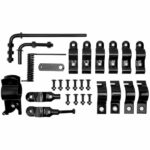 Gate hardware: self-closing mechanisms for your horse's enclosure
- What are common signs that a horse is afraid?
- How does the time of day affect a horse's playfulness?
- Can calming blankets help with PTSD symptoms?
- What are common play activities for horses?
- Should I adjust my horse's feed on days of intense exercise?
- Can colic be associated with sensory processing disorders?