Diet plays a crucial role in maintaining a horse’s dental health by providing the necessary nutrients and promoting natural chewing behaviors that help prevent dental issues. A balanced diet, rich in fiber and low in sugar, supports healthy teeth and gums, ensuring your horse can chew effectively and avoid common dental problems.
How Does Diet Affect a Horse’s Dental Health?
A horse’s diet significantly impacts its dental health by influencing the wear of teeth and the development of dental issues. Horses are herbivores, and their teeth are adapted to grind fibrous plant material. This natural chewing process helps maintain proper tooth wear and alignment.
Importance of Fiber in a Horse’s Diet
Fiber is an essential component of a horse’s diet, primarily provided by forage such as hay and grass. High-fiber diets encourage prolonged chewing, which:
- Promotes even tooth wear
- Stimulates saliva production, neutralizing harmful acids
- Helps prevent dental overgrowth and sharp enamel points
Risks of High-Sugar Diets
Diets high in sugar and starch can negatively affect dental health. These diets may lead to:
- Increased risk of dental caries (cavities)
- Imbalanced tooth wear due to insufficient chewing
- Potential for obesity and metabolic disorders that indirectly affect dental health
What Are Common Dental Problems in Horses?
Understanding common dental issues can help you recognize the importance of diet in preventing these problems.
Sharp Enamel Points
Sharp enamel points develop when teeth wear unevenly, often due to inadequate chewing of fibrous material. These points can cause:
- Oral pain and discomfort
- Difficulty chewing and digesting food
- Potential for mouth ulcers
Dental Caries
Dental caries, or cavities, occur when bacteria in the mouth metabolize sugars, producing acids that erode the tooth. High-sugar diets increase the risk of cavities, leading to:
- Tooth decay
- Infection and pain
- Potential tooth loss
Periodontal Disease
Periodontal disease affects the gums and supporting structures of the teeth. It can result from poor diet and inadequate oral hygiene. Signs include:
- Swollen, bleeding gums
- Bad breath
- Tooth loss if untreated
How to Optimize a Horse’s Diet for Dental Health
To maintain optimal dental health, consider these dietary strategies:
Provide Adequate Forage
Ensure your horse has access to high-quality hay or pasture. Forage should make up the majority of their diet to promote natural chewing and saliva production.
Limit Concentrates and Sugars
Limit the intake of concentrates and sugary feeds. If concentrates are necessary, choose options with low sugar and starch content.
Regular Dental Check-Ups
Regular dental check-ups by an equine dentist or veterinarian can catch early signs of dental issues. They can also advise on dietary adjustments to support dental health.
People Also Ask
What Are Signs of Dental Problems in Horses?
Common signs of dental problems in horses include difficulty chewing, dropping feed, weight loss, bad breath, and behavioral changes. Regular dental exams can help identify issues early.
How Often Should a Horse’s Teeth Be Checked?
A horse’s teeth should be checked at least once a year by a qualified equine dentist. Young horses, seniors, and those with known dental issues may require more frequent exams.
Can Diet Alone Prevent Dental Issues in Horses?
While a balanced diet is crucial for dental health, it cannot prevent all issues. Regular dental care, including floating and professional check-ups, is necessary to maintain optimal oral health.
What Foods Should Be Avoided to Protect a Horse’s Teeth?
Avoid high-sugar and high-starch feeds, as they can contribute to dental caries and other health issues. Focus on providing a diet rich in forage and low in concentrates.
How Does Chewing Affect a Horse’s Teeth?
Chewing helps wear down teeth naturally, preventing overgrowth and sharp points. It also stimulates saliva production, which helps maintain oral health by neutralizing harmful acids.
Conclusion
Diet plays an integral role in maintaining a horse’s dental health by promoting natural tooth wear and preventing common dental issues. By providing a balanced diet rich in fiber and low in sugar, you can help ensure your horse’s teeth remain healthy and functional. Regular dental check-ups and professional care are also essential components of a comprehensive dental health plan for your horse. For further reading, consider exploring topics such as "The Importance of Forage in Equine Nutrition" and "Understanding Equine Dental Care."
Related Posts
- Can abrupt halts cause stress in horses?
- What are some examples of boundaries in relationships?
- How effective is gravel flooring in reducing barn dust?
- How does consistency in groundwork influence client satisfaction?
- What are the benefits of cross-training for equestrians?
- What is the use of a pressure-release system in horse training?
- How can ear position help in training horses?
- How does a horse's small intestine process food?
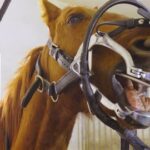 The ultimate guide to horse dental care
- What common mistakes should I avoid when transitioning from walk to trot?