Vitamins and minerals are essential nutrients in a horse’s diet, playing crucial roles in maintaining overall health, growth, reproduction, and performance. Vitamins, such as A, D, E, and K, and the B group, support various bodily functions, while minerals like calcium, phosphorus, and selenium are vital for bone development, nerve function, and other physiological processes. A balanced intake of these nutrients ensures horses remain healthy and perform at their best.
What are the Key Vitamins for Horses?
Vitamins are organic compounds that horses require in small amounts for various metabolic functions. Key vitamins include:
- Vitamin A: Important for growth, reproduction, and resistance to respiratory infections. Green crops are rich in carotene, which horses convert to vitamin A. Supplementation is necessary when green forages are limited.
- Vitamin D: Enables the use of calcium and phosphorus, preventing rickets in young horses. Sunlight helps produce vitamin D, so horses outdoors usually get enough. Indoor horses may need supplements.
- Vitamin E: Necessary for muscle function and preventing muscle stiffness. It often works with selenium to maintain muscle health.
- B Vitamins: While less critical for horses with healthy gut bacteria that synthesize these vitamins, supplementation may be needed in specific cases. B vitamins are important for energy metabolism and nerve function.
What are the Key Minerals for Horses?
Minerals are inorganic substances that are crucial for various physiological processes. Key minerals include:
- Calcium and Phosphorus: Essential for bone development, milk production, and eggshell formation. Good sources include bonemeal and dicalcium phosphate.
- Salt (Sodium Chloride): All farm animals need more salt than their feeds contain and should be supplied with it regularly.
- Iodine: Needed for the formation of thyroxine, a hormone secreted by the thyroid gland. Deficiency can cause goitre, which can be prevented by providing iodized salt.
- Copper, Cobalt, and Iron: These are needed for the formation of hemoglobin, the oxygen-carrying pigment of red blood cells. Deficiencies can lead to anemia.
How to Ensure Horses Receive Adequate Vitamins and Minerals?
Ensuring horses receive adequate vitamins and minerals involves a balanced diet and appropriate supplementation.
- Pasture and Forage: Good quality grass-legume pastures and hays can supply many necessary nutrients. Late fall and winter pastures may require protein and vitamin A supplementation.
- Commercial Feeds: Complete horse rations tailored to specific needs (growth, pregnancy, lactation) are available, including roughage.
- Mineral Supplements: Trace-mineralized salt and other mineral supplements can correct deficiencies in the diet.
What Happens if a Horse Has a Vitamin or Mineral Deficiency?
Inadequate intake of specific vitamins results in deficiency diseases, with symptoms that vary based on the severity of the deprivation. Symptoms can be specific, such as functional night blindness from vitamin A deficiency, or nonspecific, like loss of appetite. Mineral deficiencies can cause various health issues, such as anemia from iron deficiency or goitre from iodine deficiency.
People Also Ask
What are the signs of vitamin deficiency in horses?
Signs of vitamin deficiency in horses can vary but often include poor coat quality, reduced appetite, and weakened immune function. Specific deficiencies might lead to more distinct symptoms, such as night blindness with vitamin A deficiency or muscle weakness from vitamin E deficiency. Observing these signs early and consulting with a vet can help prevent severe health issues.
How can I tell if my horse needs a mineral supplement?
If your horse’s diet primarily consists of pasture or hay from regions with known mineral deficiencies, supplementation might be necessary. Common signs include decreased performance, poor bone development, and unusual eating habits like licking soil. A veterinarian can conduct a feed analysis to determine specific deficiencies and recommend appropriate supplements.
What are the best sources of natural vitamins and minerals for horses?
Natural sources of vitamins and minerals for horses include high-quality pasture, legume hays like alfalfa, and whole grains such as oats. These provide a range of nutrients in a bioavailable form. Carrots and apples can also be given in moderation as healthy treats that supply additional vitamins.
Can I over-supplement my horse with vitamins and minerals?
Yes, over-supplementation can be harmful. Excessive intake of certain minerals like selenium can be toxic, while too much calcium can interfere with the absorption of other minerals. Always follow the recommended dosages on supplements and consult with a veterinarian or equine nutritionist to ensure a balanced diet.
How do a horse’s vitamin and mineral needs change with age?
Foals and young, growing horses have higher requirements for calcium, phosphorus, and certain vitamins to support bone and tissue development. Older horses may have reduced digestive efficiency, requiring more readily available nutrients and specific supplements to maintain muscle mass and overall health. Adjusting the diet based on age and physiological state is crucial for optimal health.
In summary, vitamins and minerals are vital for maintaining a horse’s health and performance. Ensuring a balanced diet through quality forage, appropriate supplementation, and regular veterinary consultation is key to preventing deficiencies and promoting overall well-being.
Would you like to explore specific vitamin or mineral deficiencies in horses and how to address them?
Related Posts
- Technology careers related to the horse industry
- How does play behavior influence a horse's learning ability?
- Is positive reinforcement effective for all horse breeds?
- Why is it a mistake to train a horse to load in a trailer without a helper?
- How can ear position help in interpreting a horse's behavior?
- How can I help my horse adjust to new herd mates?
- Can anxious humans build trust with horses?
- What types of emotional issues can be addressed through equine therapy?
- What are the symptoms of vitamin D deficiency in horses?
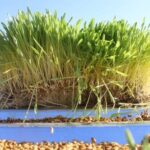 Hydroponic fodder systems for horses