Riding a horse in hot weather can be enjoyable, but it’s crucial to take precautions to protect both you and your equine partner from overheating. By understanding the risks and implementing preventive measures, you can ensure a safe and comfortable ride.
What Precautions Should I Take When Riding a Horse in Hot Weather?
When riding a horse in hot weather, ensure both you and your horse stay safe by riding during cooler times of the day, providing ample water, using cooling techniques like hosing down, monitoring for signs of heat stress, and adjusting your riding intensity. Recognizing and responding to these factors will help prevent overheating and ensure a comfortable experience for both of you.
How to Prepare Your Horse for Riding in Hot Weather?
Ride During Cooler Times of the Day
The best time to ride in hot weather is during the early morning or late evening when temperatures are lower. Avoid riding during the hottest part of the day, typically between 10 a.m. and 4 p.m.
Provide Plenty of Water
Ensure your horse has access to fresh, clean water at all times. Horses can drink a significant amount of water, especially in hot weather.
Use Electrolytes
Consider adding electrolytes to your horse’s water or feed to help replace salts lost through sweat. Electrolytes help maintain proper hydration and muscle function.
How to Keep Your Horse Cool While Riding?
Monitor for Signs of Heat Stress
Be vigilant for signs of overheating, such as rapid breathing, excessive sweating, lethargy, and disorientation. If you notice any of these signs, stop riding immediately and take steps to cool your horse down. Heatstroke symptoms include headache, dizziness, flushed or paler skin, rapid breathing, disorientation, nausea or vomiting, and high internal body temperature, often exceeding 104 °F (40 °C).
Adjust Riding Intensity
Avoid strenuous activities that can cause your horse to overheat quickly. Opt for lighter work and shorter rides.
Take Frequent Breaks
Allow your horse to rest in the shade during rides. Offer water and let them cool down before continuing.
Use Cooling Techniques
Hose down your horse with cool water, focusing on large muscle groups like the neck, chest, and legs. Scraping off excess water helps promote evaporation and cooling.
What to Do After Riding?
Continue Cooling Efforts
After your ride, continue to cool down your horse by providing shade, water, and hosing if necessary. Monitor their condition until their breathing and temperature return to normal.
Provide a Cool Environment
Ensure your horse has access to a well-ventilated stall or shaded pasture. Fans can also help improve air circulation and keep your horse comfortable.
People Also Ask (PAA)
What are the signs of dehydration in horses?
Signs of dehydration in horses include dry gums, reduced skin elasticity (skin tenting), thick saliva, and decreased urination. If you suspect your horse is dehydrated, provide water and consult with a veterinarian.
How often should I water my horse in hot weather?
In hot weather, horses should have access to water at all times. Offer water frequently, especially before, during, and after riding. A horse can drink several gallons of water a day, and even more when it’s hot.
Can horses get sunburned?
Yes, horses can get sunburned, particularly those with pink skin or white markings. Apply sunscreen to sensitive areas like the nose, ears, and any white patches. Protective fly sheets can also help shield your horse from the sun.
What is the ideal temperature for riding horses?
The ideal temperature for riding horses is between 45°F and 75°F (7°C and 24°C). When temperatures exceed this range, take extra precautions to prevent overheating.
How can I tell if my horse is recovered after a ride in the heat?
After a ride in the heat, your horse is recovered when their breathing rate, temperature, and heart rate have returned to normal. They should also appear alert and responsive. Continue to monitor them for any signs of delayed heat stress.
By taking these precautions, you can ensure that riding in hot weather is a safe and enjoyable experience for both you and your horse. Remember to always prioritize your horse’s well-being and adjust your activities based on their individual needs and condition.
Want to discover more about recognizing heatstroke?
Related Posts
- How does transportation affect a horse's stress levels?
- What are some tips for transitioning a horse to a new bit?
- What are the signs of a dominant horse's behavior?
- What are some safe objects to start with when introducing a horse to new things?
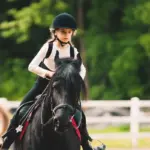 The ultimate guide to horse safety on a camping trip
 The ultimate guide to horse-friendly landscaping
- How can core strength training help with bareback balance?
- Can a poorly fitting saddle cause behavioral issues in horses?
- How does the alignment of my body affect rein signals?
- What should you do if a horse refuses to come when called?