What Pain Relief Options Are Safe for Animals with Fractures?
When animals suffer from fractures, providing safe and effective pain relief is crucial. Common options include non-steroidal anti-inflammatory drugs (NSAIDs), opioids, and alternative therapies like acupuncture. Always consult a veterinarian to determine the most appropriate treatment based on the animal’s specific needs and medical history.
Understanding Animal Fractures
What Causes Fractures in Animals?
Fractures in animals can result from various incidents, including:
- Trauma: Such as being hit by a vehicle or falling from a height.
- Bone Disease: Conditions like osteoporosis can weaken bones.
- Nutritional Deficiencies: Lack of calcium or vitamin D.
Signs and Symptoms of Fractures in Animals
Recognizing the signs of a fracture is vital for timely treatment:
- Limping or Lameness: Difficulty using the affected limb.
- Swelling and Bruising: Visible inflammation around the injury.
- Pain and Distress: Vocalization or changes in behavior.
Safe Pain Relief Options for Animals
What Are the Common Pain Relief Medications for Animals?
-
Non-Steroidal Anti-Inflammatory Drugs (NSAIDs):
- Examples: Carprofen, meloxicam, and deracoxib.
- Benefits: Reduce inflammation and alleviate pain.
- Considerations: Monitor for side effects like gastrointestinal upset.
-
Opioids:
- Examples: Morphine, tramadol, and buprenorphine.
- Benefits: Effective for severe pain management.
- Considerations: Risk of dependency and side effects such as sedation.
-
Local Anesthetics:
- Examples: Lidocaine and bupivacaine.
- Benefits: Provide targeted pain relief.
- Considerations: Typically used during surgical interventions.
Are There Alternative Pain Relief Methods?
-
Acupuncture:
- Benefits: Can reduce pain and promote healing.
- Evidence: Studies show positive outcomes in pain management.
-
Cold Therapy:
- Application: Ice packs to reduce swelling and numb pain.
- Guidelines: Apply for short periods to prevent frostbite.
-
Physical Therapy:
- Approach: Gentle exercises to maintain mobility.
- Benefits: Supports recovery and reduces stiffness.
How to Choose the Right Pain Relief Option
Factors to Consider
- Animal’s Species and Size: Dosages vary significantly.
- Severity of the Fracture: Influences the choice of medication.
- Medical History: Existing conditions may affect treatment.
Consulting a Veterinarian
Always seek professional advice to ensure the safety and efficacy of the chosen pain relief method. A veterinarian can tailor a treatment plan that considers all relevant factors.
People Also Ask
How Long Does It Take for an Animal Fracture to Heal?
Healing times vary based on the fracture’s location and severity. Typically, fractures may take 4-12 weeks to heal, with smaller animals often recovering faster than larger ones.
Can I Give My Pet Human Pain Medication?
Never give human pain medications to pets without veterinary guidance. Many human drugs, like ibuprofen, can be toxic to animals.
What Are the Signs of Pain in Animals?
Animals in pain may exhibit changes in behavior, such as aggression, withdrawal, or decreased appetite. Physical signs include limping, vocalization, and restlessness.
Is Surgery Always Required for Animal Fractures?
Not all fractures require surgery. Some may heal with immobilization and rest, while others necessitate surgical intervention for proper alignment and healing.
How Can I Help My Pet Recover from a Fracture?
Ensure they have a comfortable, quiet space to rest. Follow the veterinarian’s instructions regarding medication and activity restrictions, and attend all follow-up appointments.
Conclusion
Providing safe and effective pain relief for animals with fractures is essential for their recovery and well-being. By understanding the options available and consulting with a veterinarian, pet owners can ensure their furry friends receive the best possible care. For more information on animal health, consider exploring topics like pet nutrition and common pet diseases.
Related Posts
- What types of rewards are effective for positive reinforcement in horses?
- How long does it take for horse bedding to compost?
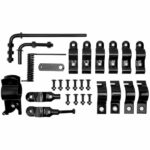 Gate hardware: self-closing mechanisms for your horse's enclosure
- How does precision training differ from traditional training methods?
- How can improper trailer size affect a horse's willingness to load?
- What are the benefits of cross-training for a jumping horse?
- How often should I update my barn's emergency contact list?
- How do light aids affect a horse's trust?
- What type of bit is suitable for a dominant horse?
- How do horses communicate with their foals?