Keeping flies away from livestock is essential for maintaining their health and comfort. Natural solutions can effectively deter flies without the use of chemicals, ensuring a safer environment for both animals and humans. Here are some effective methods to naturally repel flies from livestock.
What Are Natural Solutions to Keep Flies Away from Livestock?
Natural solutions for controlling flies around livestock include using essential oils, herbal sprays, and fly-repelling plants. These methods are environmentally friendly and safe for animals.
Why Use Natural Solutions for Fly Control?
Using natural solutions to control flies is beneficial because they are non-toxic, environmentally friendly, and safe for livestock. Chemical pesticides can lead to resistance in fly populations and may pose health risks to animals and humans. Natural methods provide a sustainable alternative.
How Can Essential Oils Repel Flies?
Essential oils are a popular natural remedy for repelling flies. Oils such as eucalyptus, lavender, and peppermint have strong scents that flies find unpleasant. To use essential oils:
- Mix a few drops of essential oil with water in a spray bottle.
- Spray the mixture around livestock areas and directly on animals, avoiding sensitive areas like eyes and noses.
- Reapply as needed, especially after rain or washing.
What Are Herbal Sprays and How Do They Work?
Herbal sprays made from plants like neem, basil, and citronella can effectively repel flies. These sprays can be homemade or purchased from stores specializing in natural products.
- To make a homemade spray, boil herbs in water, strain the mixture, and let it cool.
- Transfer the liquid to a spray bottle and apply it around the barn, stables, and directly on livestock.
Which Plants Naturally Repel Flies?
Certain plants have natural fly-repelling properties. Planting these around livestock areas can help reduce fly populations:
- Marigolds: Their strong scent deters flies and other pests.
- Lavender: Known for its pleasant aroma, lavender also keeps flies at bay.
- Basil: This herb not only repels flies but can also be used in cooking.
How to Maintain Cleanliness to Prevent Flies?
Maintaining cleanliness is crucial in preventing fly infestations. Flies are attracted to waste and decaying matter, so keeping livestock areas clean can significantly reduce their presence.
- Regularly remove manure and waste from barns and stables.
- Ensure proper disposal of feed and water to prevent spoilage.
- Use fly traps and sticky tapes in strategic locations to catch flies.
People Also Ask
What Are the Benefits of Using Diatomaceous Earth?
Diatomaceous earth is a natural powder that can be sprinkled around livestock areas to deter flies. It works by dehydrating insects, making it an effective and chemical-free solution.
Can Vinegar Be Used to Repel Flies?
Yes, vinegar, particularly apple cider vinegar, can be used as a natural fly repellent. Mixing vinegar with water and spraying it around livestock areas can deter flies due to its strong scent.
How Does a Fly Predator Work?
Fly predators are small, beneficial insects that feed on fly larvae. Releasing them in livestock areas can naturally reduce fly populations by preventing them from maturing.
Are There Any Natural Fly Traps?
Yes, natural fly traps can be made using simple ingredients like sugar and water. These traps attract flies, which then become trapped and drown.
How Often Should Natural Repellents Be Applied?
Natural repellents should be applied regularly, especially after rain or cleaning. The frequency depends on the specific product and environmental conditions.
Conclusion
Natural solutions for keeping flies away from livestock are effective, safe, and environmentally friendly. By using essential oils, herbal sprays, fly-repelling plants, and maintaining cleanliness, you can create a comfortable and healthy environment for your livestock. Consider integrating these methods into your fly control strategy to ensure the well-being of your animals. For more information on sustainable farming practices, explore our articles on organic pest control and eco-friendly farming solutions.
Related Posts
- How can technology aid in the ethical use of reinforcement in horse training?
- How can trail riding help a horse become more responsive to cues?
- What are the signs of inconsistency in a horse's training?
- What are the consequences of confusing body language for a horse?
- How do you manage a horse's recovery after an endurance ride?
- Can fecal egg counts be used in companion animals?
- What are the best practices for rotational grazing to support biodiversity?
- How do you transition from positive reinforcement to more advanced trailer training techniques?
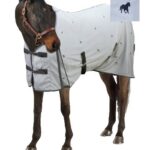 Fly mask fit and feature comparison for your horse
- Can lighting be used as a method to control fly populations?