Dressage training aims to develop a horse’s natural athletic ability and willingness to perform, resulting in a harmonious partnership between horse and rider. This equestrian discipline emphasizes precision, grace, and communication, making it both an art and a sport.
What is Dressage Training?
Dressage training, often referred to as "horse ballet," is a methodical approach to training horses to execute a series of precise movements. The primary goal is to enhance the horse’s flexibility, balance, and responsiveness to the rider’s cues. This discipline is not only about the horse’s physical development but also about fostering a deep connection between the horse and rider.
Key Elements of Dressage
- Rhythm: Establishing a consistent tempo in all gaits.
- Suppleness: Ensuring the horse is flexible and relaxed.
- Contact: Achieving a soft, steady connection with the horse’s mouth.
- Impulsion: Developing the horse’s energy and forward movement.
- Straightness: Aligning the horse’s body to improve balance.
- Collection: Enhancing the horse’s ability to carry more weight on its hindquarters.
How Does Dressage Benefit Horses and Riders?
Dressage training offers numerous benefits, both physically and mentally, for horses and riders. It improves the horse’s strength, coordination, and obedience while enhancing the rider’s skills in communication, patience, and precision. This discipline also serves as a foundation for other equestrian sports, providing a solid base for jumping, eventing, and more.
Physical and Mental Benefits
-
For Horses:
- Improved muscle tone and strength
- Enhanced flexibility and balance
- Better coordination and responsiveness
-
For Riders:
- Increased awareness of body position
- Improved communication skills
- Greater patience and focus
What are the Levels of Dressage Training?
Dressage is structured into various levels, each with progressively challenging movements and tests. Riders and horses advance through these levels as they develop their skills.
Dressage Levels Overview
- Introductory Level: Focuses on basic gaits and transitions.
- Training Level: Introduces more complex movements like circles and diagonals.
- First Level: Incorporates lateral movements and lengthening of strides.
- Second Level: Emphasizes collection and more advanced lateral work.
- Third Level: Introduces flying changes and more intricate patterns.
- Fourth Level and Beyond: Includes advanced movements like piaffe and passage, showcasing the pinnacle of dressage training.
| Level | Key Movements | Goals |
|---|---|---|
| Introductory | Walk, trot, canter transitions | Basic rhythm and relaxation |
| Training | Circles, diagonals | Developing suppleness and contact |
| First | Leg yields, lengthening of strides | Building impulsion and balance |
| Second | Shoulder-in, travers | Enhancing collection and straightness |
| Third | Flying changes, half-pass | Mastering advanced coordination |
| Fourth & Beyond | Piaffe, passage | Achieving peak harmony and precision |
What Are the Challenges in Dressage Training?
Dressage training requires dedication and patience. Horses and riders often face challenges such as maintaining consistency, overcoming physical limitations, and developing a mutual understanding. However, these challenges are part of the journey, leading to a rewarding partnership.
Overcoming Common Challenges
- Consistency: Regular practice and a structured training plan help maintain progress.
- Physical Limitations: Tailoring exercises to the horse’s abilities can prevent injuries.
- Communication: Building trust and understanding between horse and rider enhances performance.
People Also Ask
What is the History of Dressage?
Dressage originated from military training exercises dating back to ancient Greece. It evolved into a competitive sport in the 18th century, gaining popularity as a demonstration of both horse and rider’s skills.
How Do Judges Score Dressage Competitions?
Judges score dressage based on the precision, fluidity, and harmony of the movements performed. Each movement is evaluated on a scale from 0 to 10, with overall scores reflecting the horse’s performance and the rider’s effectiveness.
Can Any Horse Breed Participate in Dressage?
While warmbloods are popular in dressage due to their athleticism, any breed can participate. The key is the horse’s willingness to learn and its physical capabilities.
What Equipment is Needed for Dressage?
Essential dressage equipment includes a well-fitted saddle, bridle, and appropriate attire for the rider. Optional items like dressage whips and spurs can aid in training.
How Long Does it Take to Train a Dressage Horse?
Training a dressage horse can take several years, depending on the horse’s starting level and the rider’s experience. Consistent practice and a tailored training plan are crucial for success.
Conclusion
Dressage training is a rewarding journey that enhances the bond between horse and rider while developing essential skills for both. Whether you’re a beginner or an experienced equestrian, understanding the goals and benefits of dressage can enrich your equestrian experience. For those interested in exploring more, consider learning about the history of dressage or the different horse breeds suited for this discipline.
Related Posts
- How do filmmakers ensure the safety of Friesian horses on set?
- Can dogs be effective companions for horses?
- How can you test the firmness of arena footing?
- What are the signs of progress in flexibility through precision training?
- How does mental relaxation contribute to a horse's suppleness?
- How important is the horse's physical condition in dressage?
- How do I know if my horse needs massage therapy for digestive issues?
 The ultimate guide to horse brushes
- How do farriers address rotation of the coffin bone in laminitic horses?
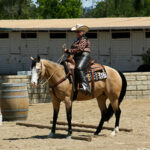 Western pleasure: showcasing the ideal western horse