Acclimating horses to hot weather is crucial for their health and performance. This gradual adjustment allows horses to adapt physiologically, preventing heat stress, dehydration, and exhaustion. Proper acclimatization ensures horses can maintain their well-being and continue to perform optimally in challenging conditions.
Why is Acclimatization Important for Horses in Hot Weather?
Acclimatization refers to the gradual, long-term responses of an organism to changes in its environment. For horses, this process involves physiological adjustments that allow them to cope with elevated temperatures. Unlike the rapid, short-term responses managed by the nervous and hormonal systems, acclimatization is a more sustained adaptation.
Preventing Heat Stress and Dehydration
Horses are prone to heat stress and dehydration because they generate significant heat during exercise and have a limited capacity to dissipate it. Acclimatization enhances their ability to regulate body temperature through increased sweating efficiency and improved electrolyte balance.
Enhancing Performance and Endurance
Proper acclimatization not only safeguards a horse’s health but also enhances its performance. Horses that are well-acclimated to heat can maintain higher work rates for longer periods, reducing the risk of fatigue and improving overall endurance.
How to Acclimatize Horses to Hot Weather
Acclimating horses to hot weather requires a strategic and gradual approach. The following steps can help ensure a smooth and effective transition:
- Gradual Exposure: Begin by exposing horses to short periods of exercise during the hottest parts of the day, gradually increasing the duration and intensity of the workouts over several weeks.
- Hydration Management: Ensure horses have constant access to fresh, clean water. Consider adding electrolytes to their water or feed to replace those lost through sweat.
- Monitoring Vital Signs: Regularly monitor horses’ body temperature, heart rate, and respiration rate to detect early signs of heat stress.
- Providing Shade and Ventilation: Offer horses shade during the hottest parts of the day and ensure adequate ventilation in stables and trailers.
- Adjusting Feeding Schedules: Modify feeding schedules to avoid feeding large meals during the hottest times of the day, as digestion generates additional heat.
Practical Tips for Horse Owners
Here are some practical tips for horse owners to help their horses adjust to hot weather:
- Early Morning Training: Schedule training sessions for early morning or late evening when temperatures are cooler.
- Cooling Techniques: Use cooling techniques such as hosing down horses with cold water after exercise, focusing on large muscle groups.
- Electrolyte Supplementation: Provide balanced electrolyte supplements to replace essential minerals lost through sweat.
- Regular Veterinary Check-ups: Conduct regular veterinary check-ups to ensure horses are healthy and able to cope with the demands of hot weather.
People Also Ask (PAA) Section
How long does it take for a horse to acclimate to hot weather?
The acclimatization process typically takes between 2 to 3 weeks. However, individual horses may vary, so it’s essential to monitor each horse’s response and adjust the training schedule accordingly.
What are the signs of heat stress in horses?
Signs of heat stress in horses include elevated body temperature, rapid breathing, increased heart rate, excessive sweating (or lack thereof), dehydration, lethargy, and incoordination. Early detection and intervention are crucial to prevent severe complications.
Can horses acclimate to humidity as well as temperature?
Yes, horses can acclimate to humidity, but it may take longer. High humidity reduces the effectiveness of sweating, making it harder for horses to cool down. Gradual exposure and careful monitoring are essential.
What role does coat thickness play in heat tolerance?
A thick winter coat can impede heat dissipation. Shedding or clipping the coat can help horses stay cooler during hot weather. However, avoid over-clipping, as the coat also provides protection from sunburn and insects.
How does age affect a horse’s ability to acclimate?
Older horses and young foals may have a reduced capacity to acclimate to hot weather compared to prime-age adults. Extra care and monitoring are necessary for these vulnerable groups.
Acclimating horses to hot weather is essential for their health, well-being, and performance. By following a gradual and strategic approach, horse owners can help their animals adapt to the demands of hot weather.
Would you like to explore more about specific cooling techniques for horses?
Related Posts
- How do I balance vitamins and minerals in my horse's diet?
- What are the risks of feeding a horse too much before a trail ride?
- What is a running walk in horses?
- In what ways can weather conditions impact a horse's learning through reinforcement?
- Can a horse's past experiences lead to non-responsiveness to voice commands?
 Hay quality assessment: what to look for for your horse
- How can riders overcome fear to improve their horse's jumping?
- What are some exercises to improve overall body awareness for riding?
- What are the common communication barriers in new relationships?
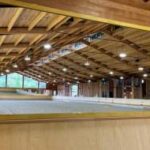 Arena mirror placement for horse training