The Impact of Livestock Type on Pasture Preparation for Spring
Understanding how different livestock types affect pasture preparation for spring is crucial for ensuring healthy and productive grazing lands. Each livestock species has unique grazing habits and nutritional needs that influence how pastures should be managed and prepared.
How Do Different Livestock Types Affect Pasture Preparation?
The type of livestock you manage can significantly impact how you prepare your pastures for spring. Cattle, sheep, goats, and horses all have distinct grazing behaviors that require tailored pasture management strategies.
Cattle Grazing Habits and Pasture Management
Cattle are large grazers that prefer grasses and can cover large areas quickly. To prepare pastures for cattle:
- Ensure sufficient grass height: Cattle prefer grass that is 6-8 inches tall. This height supports optimal grazing and regrowth.
- Rotate grazing areas: Implement rotational grazing to prevent overgrazing and allow pasture recovery.
- Soil fertility: Test soil and apply fertilizers to maintain nutrient levels that support grass growth.
Sheep Grazing and Pasture Preparation
Sheep are selective grazers, often preferring shorter grasses and forbs. When preparing pastures for sheep:
- Maintain shorter grass height: Keep grass between 2-4 inches to match sheep’s grazing preference.
- Control forbs and weeds: Sheep can help manage weed growth, but ensure that pastures are free of toxic plants.
- Fencing: Use appropriate fencing to contain sheep and protect them from predators.
Goats and Their Impact on Pastures
Goats are browsers, meaning they prefer shrubs and broadleaf plants over grasses. Preparing pastures for goats involves:
- Diverse vegetation: Include a variety of plants, such as shrubs and bushes, to meet goats’ dietary needs.
- Brush management: Goats can help control brush, but ensure there is enough forage available.
- Secure fencing: Goats are skilled escape artists, so strong fencing is essential.
Horses and Pasture Management
Horses are selective grazers that can easily overgraze pastures. Effective pasture preparation for horses includes:
- Grass height management: Keep grass between 4-6 inches to prevent overgrazing and soil compaction.
- Pasture rotation: Regularly rotate pastures to allow for regrowth and reduce parasite load.
- Avoiding toxic plants: Ensure pastures are free of plants harmful to horses, such as ragwort and buttercups.
Key Considerations for Pasture Preparation
When preparing pastures for any livestock type, consider the following:
- Soil health: Regularly test soil to maintain optimal pH and nutrient levels.
- Water availability: Ensure adequate water sources are available for livestock.
- Weather conditions: Adjust management practices based on seasonal weather patterns.
Practical Examples of Effective Pasture Management
-
Case Study: Rotational Grazing with Cattle
A farmer in Texas implemented a rotational grazing system, dividing the pasture into smaller paddocks. This method improved grass regrowth and increased cattle weight gain by 15% over a single grazing season. -
Example: Integrated Sheep and Goat Grazing
In New Zealand, a mixed grazing system with sheep and goats was used to manage pasture diversity and weed control. This approach enhanced pasture utilization and reduced the need for chemical herbicides.
People Also Ask
What is the Best Grass for Cattle Pastures?
The best grass for cattle pastures depends on the climate and soil type. Common choices include Bermuda grass in warmer regions and Kentucky bluegrass in cooler areas, both offering high nutritional value and resilience.
How Often Should Pastures Be Rotated?
Pastures should be rotated every 1-2 weeks, depending on grass growth rates and livestock density. This practice helps maintain pasture health and supports sustainable grazing.
Can Horses and Cattle Share the Same Pasture?
Horses and cattle can share the same pasture if managed properly. Ensure adequate forage availability and monitor for overgrazing. Separate areas may be needed to meet specific dietary needs and prevent competition.
What Are the Benefits of Mixed Livestock Grazing?
Mixed livestock grazing can improve pasture utilization, control weeds, and enhance soil fertility. Different species complement each other’s grazing habits, leading to more efficient land use.
How Do I Prevent Overgrazing?
To prevent overgrazing, implement rotational grazing, monitor pasture health, and adjust stocking rates as needed. Providing supplemental feed during low forage periods can also help.
Conclusion
Understanding the impact of different livestock types on pasture preparation is essential for maintaining healthy and productive grazing lands. By tailoring management practices to the specific needs of cattle, sheep, goats, and horses, you can optimize pasture health and enhance livestock productivity. For more information on sustainable grazing practices, consider exploring resources on rotational grazing and soil health management.
Related Posts
- What does a relaxed horse's mouth look like?
 Horses in ancient civilizations: egypt, greece, and rome
- How does the horse's posture differ in dressage compared to jumping?
- How can a balanced seat enhance communication with the horse?
- Why should you avoid relying solely on technology in precision training?
- What is the role of visualization in reducing performance anxiety?
- What are the benefits of using activated charcoal in stables for odor control?
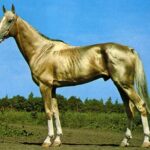 The akhal-teke: golden horses of turkmenistan
- How can desensitization help my horse with trail obstacles?
- Do horses have different catchability levels at different times of day?