Equine influenza is a highly contagious respiratory disease affecting horses, and vaccination is a primary method of prevention. Understanding the difference between modified live and inactivated equine influenza vaccines is crucial for horse owners and veterinarians in making informed decisions about disease prevention.
What Are Modified Live and Inactivated Equine Influenza Vaccines?
Modified live equine influenza vaccines contain a weakened form of the virus, which stimulates a strong immune response. In contrast, inactivated vaccines use a killed version of the virus, which is unable to replicate but still prompts the immune system to build defenses.
How Do Modified Live Vaccines Work?
Modified live vaccines (MLVs) are designed to mimic a natural infection without causing the disease. They contain live virus particles that have been attenuated, meaning they are weakened so they cannot cause illness.
-
Advantages:
- Typically induce a strong and long-lasting immune response.
- Often require fewer doses, reducing the need for frequent booster shots.
- Stimulate both cellular and humoral immunity, enhancing overall protection.
-
Considerations:
- Not suitable for immunocompromised horses due to the live virus.
- Require careful handling to maintain efficacy.
How Do Inactivated Vaccines Work?
Inactivated vaccines, also known as killed vaccines, contain virus particles that have been killed or inactivated. They cannot replicate but still provoke an immune response.
-
Advantages:
- Safe for use in pregnant mares and immunocompromised horses.
- Stable and easier to store than live vaccines.
-
Considerations:
- May require multiple doses to achieve optimal immunity.
- Typically induce a shorter duration of immunity compared to MLVs.
Comparing Modified Live and Inactivated Vaccines
| Feature | Modified Live Vaccine | Inactivated Vaccine |
|---|---|---|
| Immune Response | Strong and long-lasting | Moderate |
| Dosing Frequency | Typically fewer doses | May require multiple |
| Safety for All Horses | Not for immunocompromised | Safe for all |
| Storage and Handling | Requires careful handling | More stable |
| Cost | Often more cost-effective | May be more expensive |
When to Use Each Type of Vaccine?
Choosing between modified live and inactivated vaccines depends on several factors, including the horse’s health status, environment, and specific needs.
- Modified Live Vaccines are ideal for healthy horses in high-risk environments, such as those frequently exposed to other horses at shows or events.
- Inactivated Vaccines are preferred for pregnant mares, foals, and horses with compromised immune systems due to their safety profile.
Practical Examples and Case Studies
In a study comparing the efficacy of modified live and inactivated vaccines, horses vaccinated with the modified live vaccine showed a more rapid and robust immune response. This highlights the importance of choosing the right vaccine type based on the horse’s exposure risk and health status.
People Also Ask
What Are the Side Effects of Equine Influenza Vaccines?
Common side effects include mild swelling at the injection site, fever, and lethargy. These are typically short-lived and resolve within a few days. Severe reactions are rare but can include allergic responses.
How Often Should Horses Be Vaccinated for Equine Influenza?
Vaccination schedules vary based on the vaccine type and the horse’s exposure risk. Generally, horses are vaccinated every 6-12 months, with more frequent boosters recommended for high-risk populations.
Can Equine Influenza Vaccines Be Given with Other Vaccines?
Yes, equine influenza vaccines can often be administered alongside other vaccines, such as those for tetanus and West Nile virus. However, it is essential to consult a veterinarian to ensure proper timing and compatibility.
Are There Alternatives to Vaccination for Preventing Equine Influenza?
While vaccination is the most effective prevention method, good biosecurity practices, such as isolating new or sick horses and maintaining clean facilities, also help reduce the risk of infection.
What Should I Do If My Horse Shows Symptoms of Equine Influenza?
If your horse shows symptoms like coughing, nasal discharge, or fever, contact a veterinarian immediately. Early diagnosis and treatment are crucial for recovery and preventing the spread of the virus.
Conclusion
Understanding the differences between modified live and inactivated equine influenza vaccines helps horse owners and veterinarians make informed decisions to protect their horses. By considering factors such as immune response, safety, and the horse’s specific needs, you can choose the most effective vaccination strategy. For further guidance, consult with a veterinarian to tailor a vaccination plan that best suits your horse’s requirements.
Related Posts
- How does labeling horse feed containers contribute to horse health?
- How does sugar intake influence a horse's anxiety?
- What are some creative ways to use food rewards with horses?
- Are there any DIY methods for using camphor to deter flies?
- What are some signs that my horse is comfortable with me?
- How do you handle graffiti on stable walls?
- What are some techniques to help a horse afraid of water?
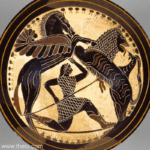 The legend of pegasus: the winged horse
- What are the signs that my horse is frustrated during a ride?
- What are the different lunging exercises for building a horse's muscles?