In sports terminology, a chukker refers to a period of play in polo, whereas a period is a more general term used in various sports to indicate a segment of the game. Understanding the difference between these terms helps clarify the structure and flow of different sports.
What is a Chukker in Polo?
A chukker, also known as a chukka, is a specific time segment in a polo match. Each chukker lasts seven and a half minutes, and a standard polo game consists of six chukkers. During these periods, players ride horses and aim to score goals by hitting a ball into the opposing team’s goal using a long-handled mallet.
Key Features of a Chukker
- Duration: Each chukker is 7.5 minutes long.
- Number in a Match: Typically, six chukkers per match.
- Purpose: Allows for strategic play and horse rotation.
How Do Periods Function in Other Sports?
In contrast, a period is a more generalized term used to describe segments of play in sports such as hockey, basketball, and football. The length and number of periods vary depending on the sport.
Examples of Periods in Different Sports
- Ice Hockey: Three periods, each lasting 20 minutes.
- Basketball: Four quarters (periods), each lasting 12 minutes in the NBA.
- Football (Soccer): Two halves, each 45 minutes, though not typically referred to as periods.
Why Are Chukkers and Periods Important?
Understanding the structure of play in different sports enhances the viewing experience and helps fans appreciate the strategic elements involved. In polo, chukkers allow for horse and player endurance management, while in other sports, periods help regulate the pace and strategy of the game.
Comparison Table: Chukkers vs. Periods
| Feature | Chukker (Polo) | Period (Other Sports) |
|---|---|---|
| Duration | 7.5 minutes | Varies by sport |
| Number per Game | 6 | Varies by sport |
| Sport | Polo | Multiple sports |
| Purpose | Horse rotation | Game structure |
Why Do Polo Matches Use Chukkers?
Polo matches are divided into chukkers to accommodate the physical demands on horses and players. Horses, known as ponies in polo, require rest after intense periods of play. Chukkers ensure that horses are not overworked and players can maintain high performance throughout the match.
Practical Example: Polo Match Strategy
A polo team might use different horses for each chukker to keep them fresh. This rotational strategy is crucial for maintaining speed and agility on the field, allowing teams to adapt their tactics as the game progresses.
People Also Ask
What is the purpose of a chukker in polo?
A chukker allows for strategic breaks in play, enabling horse rotation and player rest. This structure helps maintain the welfare of the horses and ensures the game is played at a high level of intensity.
How many chukkers are in a typical polo match?
A standard polo match consists of six chukkers. However, some matches may have fewer chukkers, such as four, depending on the level of play or specific tournament rules.
How does a chukker compare to a quarter in basketball?
A chukker in polo is similar to a quarter in basketball in that both are segments of play. However, a chukker is shorter, lasting 7.5 minutes, compared to a 12-minute quarter in NBA basketball.
Why do different sports use different period lengths?
Different sports use varying period lengths to suit the physical demands and strategies of the game. For example, ice hockey periods are 20 minutes to allow for intense, fast-paced play, while polo chukkers are shorter to accommodate horse endurance.
How do players and teams strategize around chukkers?
Teams often plan their strategies around chukkers by rotating horses and adjusting tactics. This allows them to maintain high energy levels and adapt to the opposing team’s play style throughout the match.
Conclusion
Understanding the difference between a chukker and a period is essential for appreciating the unique aspects of each sport. While chukkers are specific to polo and focus on horse and player endurance, periods in other sports help structure the game and regulate its pace. By recognizing these distinctions, fans can better enjoy and engage with the sports they love.
For more insights into sports terminology and strategies, explore related topics such as "The Role of Timeouts in Sports" and "Understanding Halftime Adjustments."
Related Posts
- What are the most common coat colors identified through genetic testing?
- What are the key benefits of equine massage therapy?
- How does the training of gaited horses differ for beginners?
- How do you store tack after oiling?
- Can a lack of training make a horse difficult to catch?
- How does practicing transitions enhance emotional intelligence?
- Can head tossing in horses be a sign of discomfort or anxiety?
- What role does timing play in ethical reinforcement with horses?
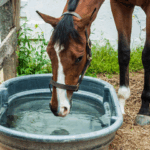 Hydration monitoring: ensuring adequate water intake for your horse
- How does vitamin K supplementation differ between young and adult horses?