Pasture rotation, also known as rotational grazing, is a livestock management practice where animals are moved between different pasture areas to allow for regrowth and recovery of forage. This method can significantly reduce costs by improving pasture productivity, enhancing soil health, and minimizing the need for supplemental feed.
What is Pasture Rotation?
Pasture rotation involves dividing a pasture into smaller sections, or paddocks, and moving livestock between them on a planned schedule. This practice allows each section to rest and regrow, promoting healthier and more sustainable grasslands. By rotating pastures, farmers can optimize forage use, prevent overgrazing, and maintain a balanced ecosystem.
How Does Pasture Rotation Work?
The process of pasture rotation typically includes:
- Dividing the land into multiple paddocks.
- Grazing livestock in one paddock while others recover.
- Monitoring forage growth to determine optimal grazing times.
- Moving animals based on forage availability and growth rates.
This system mimics natural grazing patterns, allowing for more efficient use of pasture resources.
Benefits of Pasture Rotation
How Does Pasture Rotation Impact Costs?
Implementing pasture rotation can lead to significant cost savings in several ways:
- Reduced Feed Costs: By maximizing pasture productivity, farmers can rely less on costly supplemental feeds.
- Improved Forage Quality: Healthier pastures provide more nutritious forage, reducing the need for additional nutrients.
- Lower Veterinary Bills: Healthier pastures can lead to healthier animals, potentially reducing veterinary costs.
- Increased Stocking Rates: Efficient pasture use allows for more livestock on the same land, increasing potential revenue.
What are the Environmental Benefits?
Pasture rotation offers several environmental advantages:
- Enhanced Soil Health: Rest periods allow for organic matter buildup, improving soil fertility.
- Biodiversity Preservation: Rotational grazing supports diverse plant species, fostering a balanced ecosystem.
- Carbon Sequestration: Healthy pastures can capture and store carbon, mitigating climate change impacts.
Practical Tips for Implementing Pasture Rotation
How to Start with Pasture Rotation?
- Assess Your Land: Understand your pasture’s size, soil type, and forage species.
- Plan Paddock Layout: Design paddocks based on available resources and livestock needs.
- Determine Grazing Schedule: Monitor forage growth and weather patterns to set rotation timelines.
- Invest in Fencing and Watering Systems: Ensure reliable infrastructure for efficient livestock movement.
What Challenges Might You Face?
- Initial Investment: Setting up paddocks and infrastructure can be costly.
- Management Time: Regular monitoring and planning are required for effective rotation.
- Weather Variability: Droughts or excessive rain can impact forage growth and rotation schedules.
Case Study: Successful Pasture Rotation
A case study from a mid-sized farm in Iowa illustrates the benefits of pasture rotation. By dividing 100 acres into 10 paddocks, the farmer increased forage yield by 30% and reduced feed costs by 25% within the first year. The improved pasture health also led to a noticeable decrease in livestock health issues, further lowering veterinary expenses.
People Also Ask
What is the Optimal Paddock Size for Pasture Rotation?
The optimal paddock size depends on factors like livestock type, pasture quality, and management goals. Typically, paddocks should be large enough to provide sufficient forage for a few days but small enough to prevent overgrazing.
How Often Should Livestock Be Rotated?
Rotation frequency depends on forage growth rates and livestock needs. Generally, livestock should be moved every few days to weeks, allowing paddocks to rest for 30-60 days.
Can Pasture Rotation Work for Small Farms?
Yes, pasture rotation can be effective for small farms. Even with limited land, dividing pastures and rotating livestock can improve forage use and animal health.
Does Pasture Rotation Require Special Equipment?
Basic equipment like portable fencing and water troughs is essential for pasture rotation. However, many farmers find these investments are offset by the savings in feed and veterinary costs.
How Does Pasture Rotation Affect Soil Erosion?
Pasture rotation can significantly reduce soil erosion by maintaining ground cover and promoting healthy root systems, which stabilize the soil.
Conclusion
Pasture rotation is a sustainable livestock management practice that offers numerous benefits, including cost savings, improved animal health, and environmental advantages. By implementing a rotational grazing system, farmers can enhance pasture productivity and contribute to a healthier ecosystem. For those interested in exploring more about sustainable agriculture practices, consider learning about cover cropping or integrated pest management.
Related Posts
- How does precision training influence coaching strategies?
- How do I prevent mold on my horse tack?
- How can I tell if a horse's coat is shiny and healthy?
- How does lunging affect a horse's muscles?
- What are the signs of a horse's understanding of the backing up cue?
- How can I tell if my boundary-setting efforts are successful?
- What is the science behind breathing techniques for calming horses?
- Can music therapy help with horse rehabilitation?
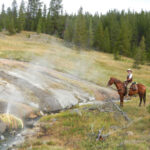 Camping with horses: trail riding overnight trips
- How does rein contact impact a horse's balance?