The feeding schedule of active horses varies throughout the year, influenced by factors such as workload, pasture quality, and the horse’s physiological state. Adjusting their diet based on these factors ensures they receive the necessary nutrients for optimal health and performance.
What Factors Influence a Horse’s Feeding Schedule?
Several factors play a crucial role in determining the appropriate feeding schedule for active horses. These include the intensity of work, the quality of available forage, and the horse’s individual needs based on their life stage and health condition. Understanding these elements is key to maintaining a balanced and effective feeding regimen.
Workload and Energy Requirements
The amount of work a horse performs directly impacts its energy needs. Horses engaged in heavy work, such as plowing or intense training, require a higher energy intake compared to those in light work or maintenance.
Seasonal Pasture Quality
Pasture quality changes significantly throughout the year. Lush spring pastures are high in water and protein, potentially requiring supplementation with high-energy grains. Conversely, winter pastures are low in protein and may need protein and vitamin A supplements.
Physiological State
A horse’s life stage and condition also influence its dietary needs. For instance, lactating mares and growing foals have different nutritional requirements compared to mature horses at maintenance.
How Can You Adjust Feeding Schedules Based on the Season?
Adjusting feeding schedules seasonally ensures horses receive the appropriate nutrients year-round.
Spring Feeding Adjustments
In early spring, lush pastures are high in water and protein. Supplementing with high-energy sources like grain may be necessary for horses performing medium to heavy work.
Fall and Winter Feeding Strategies
Late fall and winter pastures are typically low in protein and water. Supplementation with protein and vitamin A becomes essential to compensate for the reduced nutritional value of the forage.
What Types of Feed Are Best for Active Horses?
Selecting the right types of feed is crucial for meeting the nutritional needs of active horses.
Forage Options
Good quality grass-legume pastures provide adequate nutrients for adult horses at light work or pregnant mares. High-quality legume hays, like alfalfa, are excellent for growing or lactating horses.
Grain Choices
While oats are a preferred grain due to their bulk, corn, barley, wheat, and milo can be used as more cost-effective alternatives. Weanling foals need about 3 pounds of feed per 100 pounds of body weight daily, decreasing to 1 pound as they mature.
People Also Ask (PAA) Section
How often should I feed my horse?
Horses should ideally be fed multiple times a day to mimic their natural grazing behavior. Providing small, frequent meals supports better digestion and nutrient absorption.
What are the signs of an improper feeding schedule?
Signs of an improper feeding schedule include weight loss, poor performance, digestive issues like colic, and changes in coat quality. Monitoring these indicators helps in adjusting the horse’s diet as needed.
Can I use silage for horses?
Silages should be avoided due to the high risk of botulism and digestive upsets in horses. Ensuring feed is free from mold and dust is crucial for preventing respiratory and digestive issues.
Understanding the various factors that influence a horse’s feeding schedule is essential for maintaining their health and performance. By considering workload, pasture quality, and individual needs, horse owners can create a balanced and effective feeding regimen.
Want to discover more about specific dietary supplements for horses?
Related Posts
- Is it safe to store supplements with horse feed in a barn?
- Can massage therapy prevent injuries in horses?
- How can a horse's reluctance to back up be addressed?
- What is the ideal storage condition for conditioned leather tack?
- What are the common problems with water systems in rotational pastures?
- How can I tell if my horse is getting enough vitamins?
- How can I improve the growth of my pasture?
- How do I safely catch a dominant horse in a stall?
- Are there any risks to playing music for horses?
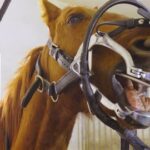 The ultimate guide to horse dental care