Altivo, the horse featured in the animated film "The Road to El Dorado," is depicted as a Spanish Andalusian. This breed is known for its elegance, intelligence, and versatility, making it a popular choice for both historical and cinematic settings.
What Characteristics Define the Spanish Andalusian Horse?
The Spanish Andalusian horse is renowned for its distinctive characteristics, which include:
- Elegant Appearance: Known for their graceful movements and striking presence.
- Intelligence: Highly trainable and quick learners, making them suitable for various disciplines.
- Versatility: Used in dressage, bullfighting, and as parade horses.
- Strong Build: Compact with a well-proportioned body, muscular neck, and expressive eyes.
These features contribute to the breed’s popularity in both historical reenactments and modern equestrian sports.
Why Was Altivo a Spanish Andalusian?
Choosing the Spanish Andalusian for Altivo in "The Road to El Dorado" was likely due to several factors:
- Historical Accuracy: The film is set during the Age of Exploration, a period when Andalusians were prevalent in Spain and its colonies.
- Visual Appeal: The breed’s striking appearance enhances the film’s visual storytelling.
- Characterization: Altivo’s intelligence and loyalty are traits commonly associated with Andalusians, adding depth to his character.
These reasons highlight why filmmakers often select this breed for historical and adventure films.
How Does Altivo’s Role Enhance the Film?
Altivo plays a crucial role in "The Road to El Dorado," contributing to both plot development and comedic relief:
- Companion: Provides companionship to the main characters, Tulio and Miguel, aiding in their journey.
- Humor: His expressive personality and antics add humor, appealing to audiences of all ages.
- Plot Device: Assists in key scenes, such as helping the protagonists navigate challenges.
These elements make Altivo an integral part of the film’s success.
What Are the Origins of the Andalusian Horse?
The Andalusian horse has a rich history:
- Ancient Lineage: Dates back to the Iberian Peninsula, with roots in prehistoric times.
- Influence: Played a significant role in developing other horse breeds, such as the Lipizzaner and Lusitano.
- Cultural Significance: Deeply embedded in Spanish culture, often associated with nobility and classical dressage.
Understanding the breed’s origins provides insight into its enduring legacy and appeal.
People Also Ask
What Is the Temperament of Spanish Andalusians?
Spanish Andalusians are known for their gentle and cooperative temperament. They are intelligent, making them easy to train, and they often form strong bonds with their handlers. This temperament makes them ideal for both competitive sports and leisure riding.
How Are Andalusians Used Today?
Today, Andalusians are used in various equestrian disciplines, including dressage, show jumping, and as parade horses. Their versatility and elegance make them a popular choice for competitions and exhibitions worldwide.
Are Andalusians Good for Beginners?
While Andalusians are intelligent and trainable, their spirited nature may require an experienced rider. However, their gentle disposition can make them suitable for beginners with proper guidance and training.
What Is the Lifespan of an Andalusian Horse?
Andalusian horses typically live between 20 to 30 years, depending on their health, care, and living conditions. Regular veterinary check-ups and a balanced diet contribute to their longevity.
How Much Does an Andalusian Horse Cost?
The cost of an Andalusian horse can vary widely based on factors such as age, training, and pedigree. Prices typically range from $5,000 to $50,000 or more for top-quality horses.
Conclusion
Altivo from "The Road to El Dorado" is a Spanish Andalusian, a breed celebrated for its elegance, intelligence, and versatility. These traits not only enhance Altivo’s role in the film but also reflect the historical and cultural significance of the Andalusian horse. Whether in film or real life, Andalusians continue to captivate audiences with their beauty and grace.
For more insights into horse breeds and their roles in media, explore related topics such as the history of horses in cinema or the characteristics of popular equestrian breeds.
Related Posts
- How can reinforcement results be tracked in horse training?
- What environmental factors influence a horse's play behavior?
- How can you improve communication with a horse?
- What should I observe to determine if my horse is confused?
- What are the effects of mixed signals on a horse's performance?
- How did the introduction of automobiles affect farrier work?
- How do you desensitize a horse to reduce anxiety?
- How can I help my horse acclimate to hot weather?
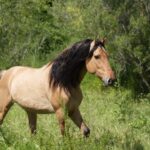 The horse in "spirit: stallion of the cimarron"
- What is the impact of parasites on a horse's weight and condition?