It’s crucial to recognize the signs of underfeeding in active horses to ensure their health and well-being. An underfed horse may exhibit a lack of energy, weight loss, and a poor coat condition. By carefully monitoring these indicators and adjusting their diet accordingly, you can help your horse maintain optimal health and performance.
What Are the Signs That an Active Horse Is Underfed?
Identifying whether an active horse is underfed involves observing several key indicators related to their physical condition and behavior. These signs can range from visible weight loss and reduced energy levels to changes in coat quality and overall performance. Recognizing these signs early allows for timely adjustments to the horse’s diet, preventing further health issues and ensuring they receive the necessary nutrients for their activity level.
How Can I Tell if My Horse Is Losing Weight?
Monitoring your horse’s weight is crucial. Weight loss in horses can be assessed through:
- Visual Inspection: Regularly look at your horse from the side and rear. Note the prominence of ribs, spine, and hip bones. A healthy horse should have ribs that are easily felt but not prominently visible.
- Body Condition Scoring: Use a body condition scoring system (like the Henneke system) to objectively assess your horse’s fat cover. This system assigns a score from 1 to 9, with 1 being emaciated and 9 being extremely fat. An ideal score for most active horses is between 4 and 6.
- Weighing: Use a livestock scale or a weight tape to track changes in your horse’s weight over time. Consistent weight loss, even if the horse appears to be in good condition, can indicate underfeeding.
What Behavioral Changes Indicate Underfeeding?
Changes in behavior can also signal that a horse is not receiving enough nutrition. Key behavioral indicators include:
- Lethargy: An underfed horse may show a noticeable decrease in energy levels, appearing tired and less enthusiastic during work or exercise.
- Reduced Performance: Active horses require sufficient energy to perform their tasks. A decline in performance, such as decreased stamina or reluctance to work, can be a sign of inadequate nutrition.
- Increased Irritability: Some horses may become more irritable or anxious when they are hungry or not receiving enough nutrients.
How Does Underfeeding Affect a Horse’s Coat and Hooves?
The condition of a horse’s coat and hooves can reflect their overall nutritional status. Signs to watch for include:
- Dull Coat: A healthy horse should have a shiny, smooth coat. Underfeeding can lead to a dull, rough coat that lacks luster.
- Slow Hair Growth: Inadequate nutrition can slow down hair growth, leading to a thin or sparse coat.
- Brittle Hooves: Hooves require a variety of nutrients to maintain their strength and integrity. Underfeeding can result in dry, brittle hooves that are prone to cracking and other issues.
People Also Ask (PAA) Section
What are the immediate steps to take if I suspect my horse is underfed?
If you suspect your horse is underfed, consult with a veterinarian or equine nutritionist to assess their condition and develop a feeding plan. Gradually increase their feed intake with high-quality forage and concentrates, while monitoring their weight and body condition. Ensure they have access to fresh water and essential minerals.
How often should I monitor my horse’s body condition?
Regular monitoring is key to preventing underfeeding. Ideally, assess your horse’s body condition at least once a week. During periods of increased activity or changing weather conditions, more frequent monitoring may be necessary to adjust their diet accordingly.
Can underfeeding lead to long-term health problems in horses?
Yes, chronic underfeeding can lead to various long-term health issues, including muscle loss, weakened immune function, and increased susceptibility to illness. It can also exacerbate existing conditions and delay recovery from injuries. Addressing underfeeding promptly is essential for maintaining your horse’s overall health and longevity.
Recognizing the signs of underfeeding in active horses is essential for maintaining their health, performance, and overall well-being. Regular monitoring, proper nutrition, and timely intervention can help prevent the negative consequences associated with inadequate feeding.
Would you like to learn more about specific nutritional requirements for active horses?
Related Posts
- Why do people tend to follow others in emergency situations?
- How can instructors integrate posture improvement into regular riding lessons?
- What are the benefits of using a riding app for navigation and safety alerts?
- What role did horses play in the trade networks of the Americas?
- What training techniques help avoid mixed signals?
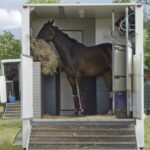 Emergency trailer loading for vet visits with your horse
 Health records: keeping track of your horse's medical history
- How can couples work on their physical fitness together?
- What are the key components of effective body language with horses?
- Can horses learn and remember complex tasks?