Trust is a fundamental aspect of the relationship between Arabian horses and humans. It is built through consistent interaction, mutual respect, and understanding. Recognizing the signs of trust can enhance the bond and ensure a harmonious partnership.
What are the Signs of Trust Between Arabian Horses and Humans?
Arabian horses display trust through their behavior and body language. Key indicators include relaxed posture, willingness to follow, and responsiveness to commands. Understanding these signs helps in nurturing a deeper connection.
How Do Arabian Horses Show Trust?
Arabian horses, known for their intelligence and sensitivity, exhibit trust through various behaviors. Here are some common signs:
- Relaxed Body Language: A trusting horse will have a soft eye, relaxed ears, and a lowered head.
- Willingness to Follow: Following a human without hesitation indicates trust.
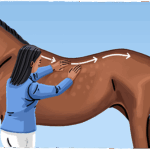
- Calmness During Grooming: Allowing touch in sensitive areas shows comfort and trust.
- Responsive to Commands: Quick and willing responses to commands suggest a strong bond.
- Seeking Interaction: Approaching humans for attention or affection is a positive sign.
Why is Trust Important in Horse-Human Relationships?
Trust is crucial for effective communication and safety. It enhances training outcomes and ensures a positive experience for both horse and handler. A trusting relationship allows for:
- Safer Handling: A horse that trusts its handler is less likely to react negatively.
- Effective Training: Trust facilitates learning and cooperation during training sessions.
- Emotional Bonding: Trust fosters a deeper emotional connection, enriching the relationship.
Building Trust with Arabian Horses
Building trust with Arabian horses requires patience, consistency, and understanding. Here are practical steps to develop trust:
- Consistent Routine: Establish a regular schedule for feeding, grooming, and exercise.
- Positive Reinforcement: Use treats and praise to reward desired behaviors.
- Gentle Handling: Approach with calmness and avoid sudden movements.
- Respect Personal Space: Allow the horse to approach you, respecting its comfort zone.
- Spend Quality Time: Engage in activities that the horse enjoys, such as leisurely walks or grooming.
Practical Example: Trust Building in Action
Consider a scenario where a new owner is working with an Arabian horse. Initially, the horse may be wary and hesitant. By consistently following a routine, using positive reinforcement, and spending time together, the horse gradually begins to trust the owner. Over time, the horse shows signs of trust by approaching the owner willingly and responding calmly to commands.
Table: Comparison of Trust-Building Techniques
| Technique | Effectiveness | Time Required | Best For |
|---|---|---|---|
| Consistent Routine | High | Medium | New Relationships |
| Positive Reinforcement | High | Short | Training Sessions |
| Gentle Handling | Medium | Long | Nervous Horses |
| Respect Personal Space | High | Short | All Horses |
| Spend Quality Time | High | Long | Bonding |
People Also Ask
How Can I Tell If My Arabian Horse Trusts Me?
You can tell if your Arabian horse trusts you by observing its behavior. Signs such as approaching you willingly, following you without a lead, and allowing you to touch sensitive areas indicate trust.
What Should I Avoid to Maintain Trust with My Horse?
Avoid harsh handling, inconsistent routines, and ignoring your horse’s signals. These actions can erode trust and create fear or anxiety in your horse.
How Long Does It Take to Build Trust with an Arabian Horse?
Building trust with an Arabian horse varies depending on the individual horse and its past experiences. It can take weeks to months of consistent, positive interaction to establish a strong bond.
Can Trust Be Rebuilt if Lost?
Yes, trust can be rebuilt, but it requires patience and time. Re-establishing trust involves consistent positive interactions and avoiding past mistakes that led to the loss of trust.
What Are Common Mistakes That Erode Trust?
Common mistakes include inconsistent handling, lack of attention to the horse’s comfort, and using punishment-based training methods. These can lead to fear and mistrust.
Conclusion
Recognizing and nurturing signs of trust between Arabian horses and humans is essential for a successful partnership. By understanding their behavior and incorporating trust-building techniques, you can create a strong, enduring bond with your Arabian horse. For further insights, consider exploring topics such as effective horse training methods or the history and characteristics of Arabian horses.
Related Posts
- What environmental factors can contribute to a horse's fear of being caught?
- What are the benefits of integrated weed management in pastures?
- How should a horse's head position be with proper rein contact?
- Why is it important to avoid using force when trailer training a horse?
- What are some safety tips for catching horses in large pastures?
- What role does tail swishing play in identifying resistance?
- How can transitions be customized for different types of respondents?
 How to bond with your horse quickly
- Can essential oils be used in a homemade fly trap?
- How does deep breathing help in maintaining steadiness?