Dressage is a highly disciplined equestrian sport that requires precision and harmony between horse and rider. Recognizing the signs of a correct frame in dressage is crucial for evaluating performance and ensuring that the horse is moving correctly. A correct frame indicates that the horse is balanced, supple, and responsive to the rider’s aids.
What are the Signs of a Correct Frame in Dressage?
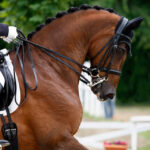
A correct frame in dressage is characterized by several key indicators that demonstrate the horse’s proper posture and movement. These include:
- Engagement of the Hindquarters: The horse’s hind legs should be actively engaged, providing power and impulsion.
- Roundness and Suppleness: The horse’s topline should be rounded, with a supple neck and back.
- Contact with the Bit: The horse should maintain a soft, steady contact with the bit, with its head slightly in front of the vertical.
- Balance and Straightness: The horse should move in a straight line, maintaining balance and evenness in its stride.
- Rhythm and Relaxation: The horse should exhibit a consistent rhythm and appear relaxed and confident.
These elements work together to create a harmonious picture of horse and rider working in unison.
How to Recognize Engagement of the Hindquarters?
Engagement of the hindquarters is a vital aspect of a correct frame. It refers to the horse’s ability to step under its body with its hind legs, creating power and forward momentum. Signs of engagement include:
- Increased Impulsion: The horse moves forward with energy and purpose.
- Lowered Haunches: The horse’s hindquarters appear lowered as it steps under itself.
- Elevated Forehand: The horse’s front end appears lighter, with a lifted shoulder.
Engagement is essential for achieving advanced dressage movements such as piaffe and passage.
What Does Roundness and Suppleness Look Like?
Roundness and suppleness are evident when the horse’s topline is arched, and its neck is soft and flexible. This is achieved through:
- Relaxed Neck: The horse’s neck should be arched without tension.
- Soft Back: The horse’s back should be relaxed, allowing for fluid movement.
- Bending Ability: The horse should be able to bend easily around the rider’s leg.
A supple horse responds willingly to the rider’s aids, making transitions and lateral movements smoother.
How to Assess Contact with the Bit?
Proper contact with the bit is crucial for communication between horse and rider. It involves:
- Light Connection: The horse maintains a light, steady connection with the bit.
- Responsive Mouth: The horse’s mouth remains closed, with no excessive chewing or resistance.
- Head Position: The horse’s head should be slightly in front of the vertical, avoiding over-flexion.
Good contact ensures that the horse is attentive and responsive to the rider’s cues.
Why is Balance and Straightness Important?
Balance and straightness are fundamental to a correct frame, ensuring that the horse moves efficiently and correctly. Key indicators include:
- Even Stride: The horse’s stride should be even and symmetrical.
- Aligned Body: The horse’s body should be aligned, with no drifting or leaning.
- Consistent Pace: The horse maintains a steady pace without rushing or slowing.
Achieving balance and straightness is essential for executing precise dressage movements.
How to Maintain Rhythm and Relaxation?
Rhythm and relaxation are essential for a successful dressage performance. They can be identified by:
- Steady Tempo: The horse maintains a consistent tempo throughout the ride.
- Calm Demeanor: The horse appears calm and focused, with no signs of stress.
- Fluid Movements: The horse’s movements are smooth and unhurried.
A relaxed horse is more likely to perform at its best, responding positively to the rider’s aids.
People Also Ask
What is the Importance of a Correct Frame in Dressage?
A correct frame is crucial in dressage as it demonstrates the horse’s athletic ability and the rider’s skill. It ensures that the horse is moving efficiently, reducing the risk of injury and enhancing performance.
How Can I Improve My Horse’s Frame in Dressage?
Improving your horse’s frame involves consistent training focused on building strength, flexibility, and responsiveness. Exercises such as transitions, lateral work, and pole work can help develop a correct frame.
What Are Common Mistakes in Achieving a Correct Frame?
Common mistakes include over-flexing the horse’s neck, neglecting engagement of the hindquarters, and inconsistent contact with the bit. These errors can lead to tension and imbalance.
How Can I Tell if My Horse is Relaxed in Dressage?
A relaxed horse will have a soft, swinging tail, a calm expression, and a steady rhythm. It should respond willingly to the rider’s aids without tension or resistance.
What Role Does the Rider Play in Achieving a Correct Frame?
The rider plays a crucial role by providing clear, consistent aids and maintaining a balanced, centered position. Effective communication and a harmonious partnership are key to achieving a correct frame.
In conclusion, understanding and achieving a correct frame in dressage requires attention to detail and a commitment to training. By focusing on engagement, suppleness, contact, balance, and relaxation, riders can enhance their horse’s performance and create a harmonious partnership. For further reading, consider exploring topics like "Dressage Training Techniques" or "Improving Horse-Rider Communication."
Related Posts
- What are the benefits of using a transition towel?
- Is hay the best source of fiber for horses in winter?
- What are the risks of hoof cracks in horses?
- What is the difference between acute and chronic allergies in horses?
- How does the horse's engagement affect its score in dressage?
- What are the benefits of group discussions about falls in riding clubs?
- How to hold the reins correctly
- What are some signs that my horse is about to bite?
 Magnesium deficiency signs and treatment for your horse
- How does empathy help in resolving conflicts?