Warmblood horses, known for their versatility and athleticism, are popular in equestrian sports. However, like all breeds, they are prone to certain health concerns. Understanding these issues helps owners provide the best care and maintain their horses’ well-being.
What Are the Common Health Issues in Warmblood Horses?
Warmblood horses, prized for their strength and agility, face specific health challenges. These include laminitis, osteochondrosis, and equine metabolic syndrome. Addressing these issues promptly can prevent serious complications and ensure a long, healthy life for your horse.
What Is Laminitis in Warmblood Horses?
Laminitis is a painful inflammation of the tissue layers (laminae) inside the hoof, which can cause severe lameness. Warmbloods, particularly those with a rich diet or irregular exercise, are susceptible. Symptoms include:
- Reluctance to move
- Increased digital pulse
- Heat in the hooves
Prevention and Management:
- Maintain a balanced diet
- Ensure regular exercise
- Monitor weight and hoof health
How Does Osteochondrosis Affect Warmblood Horses?
Osteochondrosis is a developmental disorder affecting cartilage and bone in young horses. It can lead to joint pain and lameness. Warmbloods, due to their rapid growth, are at risk. Key signs include:
- Swelling in joints
- Lameness in young horses
- Stiffness after exercise
Preventative Measures:
- Provide a balanced diet with appropriate mineral levels
- Avoid overfeeding young horses
- Ensure regular veterinary check-ups
What Is Equine Metabolic Syndrome?
Equine Metabolic Syndrome (EMS) is characterized by obesity, insulin resistance, and an increased risk of laminitis. Warmbloods, with their often robust build, may develop EMS if not managed properly. Symptoms to watch for include:
- Excessive weight gain
- Fat deposits on the neck and tailhead
- Recurrent laminitis
Management Strategies:
- Implement a controlled diet
- Increase physical activity
- Regularly monitor insulin levels
How to Maintain Optimal Health in Warmblood Horses
To keep your warmblood horse healthy, consider these best practices:
- Balanced Nutrition: Tailor the diet to the horse’s age, weight, and activity level.
- Regular Exercise: Ensure consistent and appropriate physical activity to maintain fitness.
- Routine Veterinary Care: Schedule regular health checks and vaccinations.
- Hoof Care: Regular trimming and monitoring for signs of laminitis.
People Also Ask
How Can I Prevent Laminitis in My Warmblood Horse?
Preventing laminitis involves maintaining a healthy weight, providing a balanced diet, and ensuring regular exercise. Avoid sudden changes in diet and monitor your horse’s hooves for any signs of discomfort.
What Are the Signs of Osteochondrosis in Warmbloods?
Signs of osteochondrosis include joint swelling, lameness, and stiffness, particularly in young horses. Early detection and management through diet and exercise can help mitigate its effects.
How Is Equine Metabolic Syndrome Diagnosed?
EMS is diagnosed through clinical signs, blood tests measuring insulin levels, and evaluating body condition. A veterinarian can provide a comprehensive diagnosis and management plan.
Are Warmblood Horses Prone to Colic?
While not specific to warmbloods, colic can affect any horse. It is crucial to maintain a consistent feeding schedule, provide clean water, and ensure regular exercise to reduce the risk.
What Diet Is Best for Preventing Health Issues in Warmblood Horses?
A diet rich in fiber, low in sugars, and balanced in minerals is ideal. Consult with a veterinarian or equine nutritionist to tailor the diet to your horse’s specific needs.
Conclusion
By understanding and addressing the health concerns specific to warmblood horses, owners can ensure their horses lead healthy, active lives. Regular veterinary care, a balanced diet, and appropriate exercise are key to preventing and managing conditions like laminitis, osteochondrosis, and equine metabolic syndrome. For further guidance, consider consulting a veterinarian or equine specialist.
For more on horse health, explore topics like horse nutrition and exercise routines for equine fitness, or reach out to a local equine health professional for personalized advice.
Related Posts
- What should I avoid doing if my horse bites me?
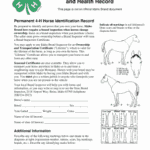 Record keeping for horse care
- How do I know if my horse's shelter is storm-proof?
- How does the Overo gene affect horse coat patterns?
- How can eye redness be related to stress in horses?
- What type of bit is recommended for enhancing suppleness?
- How can I avoid slouching while riding?
- Are there any calming supplements for dominant horses?
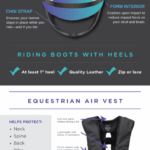 Are horses dangerous? understanding risk and safety
- How can you ensure consistent quality in arena footing over time?