Colic in horses post-deworming is a concern for many horse owners. Recognizing the symptoms and knowing the initial first aid steps can help manage the situation effectively and potentially save a horse’s life.
What Are the First Aid Steps for Colic in Horses Post-Deworming?
- Identify Symptoms: Look for signs such as rolling, pawing, sweating, or an elevated heart rate.
- Contact a Veterinarian: Immediate professional advice is crucial.
- Walk the Horse: Encourage gentle walking to stimulate gut movement.
- Remove Feed: Temporarily withhold food to prevent complications.
- Monitor Vital Signs: Keep track of heart rate, respiration, and temperature.
Understanding Colic in Horses
Colic is a general term for abdominal pain in horses and can vary in severity. Post-deworming colic can occur due to the rapid die-off of parasites, leading to blockages or irritation in the gut. Recognizing early symptoms and responding promptly is vital.
Why Does Colic Occur Post-Deworming?
- Parasite Load: A heavy parasite burden can lead to blockages when dewormed.
- Toxin Release: Dying parasites may release toxins, causing discomfort.
- Gut Flora Disruption: Dewormers can alter the gut microbiome, affecting digestion.
How to Recognize Colic Symptoms
- Behavioral Changes: Restlessness, rolling, or kicking at the belly.
- Physical Signs: Excessive sweating, lack of appetite, or lying down more than usual.
- Vital Signs: Elevated heart rate (over 50 bpm), rapid breathing, or fever.
Steps to Take When Colic Is Suspected
1. Contact a Veterinarian
The first and most crucial step is to call a veterinarian. Provide details about the horse’s symptoms, recent deworming, and any other relevant history. A professional can offer immediate guidance and prepare for a potential visit.
2. Encourage Gentle Walking
Walking the horse can help stimulate gut movement and relieve gas buildup. However, avoid excessive exercise, which can exacerbate the condition.
3. Withhold Feed
Temporarily remove feed to prevent further digestive complications. Ensure the horse has access to fresh water to stay hydrated.
4. Monitor Vital Signs
Regularly check the horse’s heart rate, respiration, and temperature. Record these to provide accurate information to the veterinarian.
Practical Examples
-
Case Study: A horse named Bella experienced colic after deworming due to a heavy parasite load. Her owner recognized the symptoms early, contacted a vet, and walked her gently. Bella received professional treatment promptly, leading to a full recovery.
-
Statistics: According to a study, approximately 10% of horses may experience colic annually, with a small percentage related to deworming.
Preventive Measures for Colic
- Regular Deworming Schedule: Follow a vet-recommended deworming plan to manage parasite loads effectively.
- Balanced Diet: Ensure a balanced diet to support gut health and prevent colic.
- Routine Health Checks: Regular veterinary check-ups can identify potential issues before they escalate.
People Also Ask
How Can I Prevent Colic in Horses?
Preventive measures include maintaining a regular deworming schedule, providing a balanced diet, and ensuring clean water availability. Regular veterinary check-ups are also essential.
What Should I Do If My Horse Shows Colic Symptoms?
Contact a veterinarian immediately, encourage gentle walking, and withhold feed. Monitor the horse’s vital signs and provide detailed information to the vet.
Can Deworming Cause Colic in Horses?
Yes, deworming can cause colic, particularly in horses with a heavy parasite burden or sensitive digestive systems. It’s important to follow a vet-recommended deworming protocol.
What Are Common Colic Treatments?
Common treatments include pain relief medication, intravenous fluids, and, in severe cases, surgery. The specific treatment depends on the colic’s cause and severity.
How Often Should Horses Be Dewormed?
The frequency of deworming varies based on factors like age, environment, and parasite load. Consult a veterinarian to determine the best schedule for your horse.
Conclusion
Understanding the first aid steps for colic in horses post-deworming is critical for horse owners. By recognizing symptoms early, contacting a veterinarian, and taking immediate action, you can effectively manage colic and ensure your horse’s well-being. For more information on horse health, consider exploring topics like "Horse Nutrition Basics" or "Understanding Equine Digestive Health."
Related Posts
- How does good posture benefit long-term riding performance?
- How can I ensure my horse gets enough minerals?
- What activities can provide mental stimulation for horses?
- Why is it important to have contact numbers in a horse first aid kit?
- How can I prevent condensation in a stable?
- What are the consequences of insufficient recovery periods for pastures?
- Are American Quarter Horses used in any conservation efforts on farms?
- How does vision impact balance and gait?
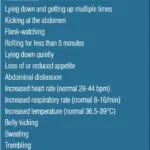 How to recognize colic in horses
- What is the impact of removing a horse from its herd?