Hanoverians, a breed of horse known for their athleticism and versatility, are generally healthy, but like all breeds, they are susceptible to certain health issues. Understanding these common health concerns can help owners provide better care and ensure the well-being of their Hanoverians.
What Are the Common Health Issues in Hanoverians?
Hanoverians are prone to specific health issues that owners should be aware of to maintain their horse’s health and performance. These include joint problems, digestive disorders, and respiratory conditions. Regular veterinary check-ups and preventive care can mitigate these risks.
Joint Problems in Hanoverians
Joint issues are prevalent in Hanoverians due to their active use in equestrian sports. Conditions such as arthritis and osteochondritis dissecans (OCD) can affect their performance and comfort.
- Arthritis: This degenerative joint disease can lead to pain and stiffness. It is often managed with anti-inflammatory medications and joint supplements.
- Osteochondritis Dissecans (OCD): A developmental disorder affecting cartilage and bone in the joints, OCD can require surgical intervention in severe cases.
Preventive Measures:
- Ensure a balanced diet rich in nutrients.
- Provide regular exercise to maintain joint flexibility.
- Schedule routine veterinary check-ups for early detection.
Digestive Disorders in Hanoverians
Digestive health is crucial for Hanoverians, as they are susceptible to conditions like colic and gastric ulcers.
- Colic: This refers to abdominal pain that can range from mild to severe. Causes include gas buildup, impactions, or intestinal twists.
- Gastric Ulcers: Stress and diet can contribute to the development of ulcers in the stomach lining.
Management Tips:
- Feed small, frequent meals to prevent digestive issues.
- Ensure access to clean, fresh water at all times.
- Minimize stress through consistent routines and environments.
Respiratory Conditions in Hanoverians
Respiratory health is vital for Hanoverians, especially those involved in high-performance activities.
- Heaves (Recurrent Airway Obstruction): Similar to asthma in humans, this condition can be triggered by dust and mold.
- Inflammatory Airway Disease (IAD): Often seen in young horses, IAD can lead to coughing and decreased performance.
Preventive Actions:
- Maintain clean and well-ventilated stables.
- Use dust-free bedding and high-quality forage.
- Monitor for signs of respiratory distress and consult a vet as needed.
People Also Ask
How Can I Prevent Joint Problems in Hanoverians?
Prevent joint problems by ensuring your Hanoverian receives a balanced diet with joint supplements, regular exercise, and routine veterinary check-ups. Proper hoof care and maintaining a healthy weight also contribute to joint health.
What Are the Signs of Colic in Hanoverians?
Signs of colic in Hanoverians include pawing at the ground, rolling, sweating, and restlessness. If you observe these symptoms, contact a veterinarian immediately, as colic can become life-threatening.
How Do I Manage Respiratory Issues in Hanoverians?
Manage respiratory issues by providing a dust-free environment, using high-quality feed, and ensuring good ventilation in stables. Regular veterinary assessments can help identify and treat conditions early.
What Diet Is Best for Hanoverians?
A balanced diet for Hanoverians includes high-quality forage, grains, and supplements tailored to their activity level and health needs. Consult with a nutritionist or veterinarian to create an optimal feeding plan.
Are Hanoverians Prone to Laminitis?
While not as common as in some other breeds, Hanoverians can develop laminitis, especially if they are overweight or have metabolic issues. Maintaining a healthy diet and weight, along with regular hoof care, can reduce the risk.
Conclusion
Understanding the common health issues in Hanoverians allows owners to take proactive measures to ensure their horses remain healthy and active. Regular veterinary care, a balanced diet, and a stress-free environment are key components of maintaining their well-being. For more insights, consider exploring topics like equine nutrition and preventive care strategies for horses.
Related Posts
- What behaviors indicate a horse is nervous?
- How important is the handler's body language when introducing a horse to new objects?
- What are the long-term effects of untreated allergies in horses?
- Should I trim my pet's fur to prevent matting?
- How does leg positioning affect a horse's speed?
- How do I know if my horse's blanket is the right weight?
- What are the best practices for maintaining a calm environment for horses?
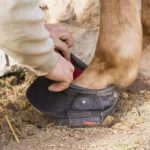 Hoof boot selection for different terrains for your horse
- How can I test if my horse is dehydrated?
- How do I choose a blanket for a horse with a heavy winter coat?