Maintaining impulsion in dressage is a key challenge for riders aiming to enhance their horse’s performance. Impulsion refers to the horse’s ability to move forward with energy and engagement while maintaining balance and rhythm. Achieving and sustaining this requires skill, patience, and a deep understanding of equine behavior.
What Are the Challenges of Maintaining Impulsion in Dressage?
Understanding Impulsion in Dressage
Impulsion is the forward movement of a horse with energy and controlled power. It is essential for executing dressage movements with precision. A horse with proper impulsion moves with a lively step, showing readiness to respond to the rider’s aids.
Why Is Impulsion Important in Dressage?
- Enhances Performance: Impulsion allows for more expressive movements.
- Improves Balance: A horse with good impulsion maintains better balance and rhythm.
- Facilitates Communication: It ensures the horse is attentive to the rider’s cues.
Common Challenges in Maintaining Impulsion
- Lack of Rider Experience: Novice riders may struggle to apply the correct aids consistently.
- Horse’s Physical Condition: Horses lacking fitness or suffering from health issues may find it difficult to sustain impulsion.
- Improper Training Techniques: Inconsistent or harsh training methods can lead to resistance and lack of engagement.
- Environmental Factors: Distractions or unsuitable surfaces can affect a horse’s ability to maintain impulsion.
How Can Riders Improve Impulsion?
- Develop a Consistent Routine: Regular training sessions help build strength and endurance.
- Focus on Rider Position: A balanced seat and correct posture allow for effective aids.
- Use of Gymnastic Exercises: Incorporate exercises like transitions and lateral work to engage the horse’s hindquarters.
- Monitor Horse’s Health: Regular veterinary check-ups ensure the horse is in optimal condition.
Practical Exercises for Enhancing Impulsion
- Transitions: Practice frequent transitions between gaits to keep the horse attentive and engaged.
- Cavaletti Work: Use poles to encourage the horse to lift its legs and engage its core.
- Lateral Movements: Exercises like leg-yielding and shoulder-in improve flexibility and impulsion.
People Also Ask
How Do You Know if a Horse Has Good Impulsion?
A horse with good impulsion moves with energy and rhythm, showing a willingness to move forward and respond to the rider’s aids. The horse should appear light on its feet, with a noticeable engagement of the hindquarters.
What Role Does Rider Balance Play in Impulsion?
Rider balance is crucial in maintaining impulsion. A balanced rider can effectively communicate with the horse, providing clear and consistent aids. This helps the horse remain focused and maintain forward momentum.
Can Impulsion Be Improved in Older Horses?
Yes, impulsion can be improved in older horses with appropriate training and conditioning. Focus on exercises that build strength and flexibility, and ensure the horse’s health is regularly monitored.
What Are Some Signs of Poor Impulsion?
Signs of poor impulsion include sluggish movement, lack of response to aids, and difficulty maintaining rhythm. The horse may also appear heavy on the forehand or show resistance to forward movement.
How Does Surface Affect Impulsion?
The riding surface significantly impacts impulsion. A surface that is too hard or slippery can hinder a horse’s ability to move forward energetically. Ideally, the surface should provide enough grip and cushioning to support the horse’s movements.
Conclusion
Maintaining impulsion in dressage is a multifaceted challenge that requires attention to both horse and rider. By focusing on consistent training, proper rider technique, and the horse’s health, riders can enhance impulsion, leading to improved performance and a more harmonious partnership. For further insights, consider exploring topics like advanced dressage techniques or equine nutrition for performance.
Related Posts
- Can worms in horses be transmitted to humans?
- How do modern horse breeds contribute to equestrian sports?
- How can you help a horse overcome fear of specific objects or situations?
- Do horses remember their past injuries?
- What are the best lunging techniques for young horses?
- What lateral exercises can improve a rider's half-halts?
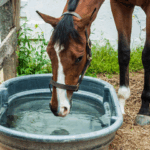 Hydration monitoring: ensuring adequate water intake for your horse
- Can horses recognize their owner's emotions?
- Is tail swishing a normal behavior for horses?
- How can body language be used to communicate safety to a horse?