Transitioning a senior horse with arthritis to a new diet involves careful consideration of their unique nutritional needs and physical limitations. Ensuring that their diet supports joint health and overall well-being is crucial for maintaining quality of life.
What Are the Best Practices for Transitioning a Senior Horse with Arthritis to a New Diet?
Transitioning a senior horse with arthritis to a new diet requires a gradual approach, focusing on joint health and overall nutrition. Start by consulting a veterinarian to tailor a diet plan that addresses specific needs, such as anti-inflammatory ingredients and appropriate supplements.
Why Is Diet Important for Senior Horses with Arthritis?
A well-balanced diet plays a vital role in managing arthritis in senior horses by:
- Reducing inflammation with omega-3 fatty acids and antioxidants
- Supporting joint function through glucosamine and chondroitin supplements
- Maintaining a healthy weight to reduce stress on joints
How to Gradually Transition Your Horse’s Diet?
When changing a horse’s diet, a gradual transition is essential to prevent digestive upset. Follow these steps:
- Plan the Transition: Spread the change over 7-10 days.
- Introduce New Feed Slowly: Begin by mixing 25% of the new feed with 75% of the old feed.
- Monitor Health and Behavior: Watch for signs of discomfort or digestive issues.
- Adjust Proportions: Gradually increase the new feed by 25% every few days.
What Nutrients Should Be Included in the Diet?
For horses with arthritis, specific nutrients can enhance joint health and reduce inflammation:
- Omega-3 Fatty Acids: Found in flaxseed and fish oil, these help reduce inflammation.
- Glucosamine and Chondroitin: These supplements support cartilage health.
- Antioxidants: Vitamins C and E combat oxidative stress in joints.
- Low-Starch Feed: Reduces inflammation and maintains blood sugar levels.
Practical Examples of Diet Plans
Here’s a sample diet plan for a senior horse with arthritis:
- Forage: High-quality hay or pasture, free-choice
- Concentrate: A senior horse feed with added joint supplements
- Supplements: Omega-3s from flaxseed oil and glucosamine
How to Monitor Your Horse’s Progress?
Regular monitoring is crucial to ensure the new diet is effective:
- Weight Check: Maintain a healthy weight to minimize joint stress.
- Joint Mobility: Observe any changes in movement or comfort.
- Regular Vet Visits: Schedule check-ups to adjust the diet as needed.
People Also Ask
What Are the Signs of Arthritis in Horses?
Common signs include stiffness, lameness, and reluctance to move. Horses may also show discomfort when being ridden or when standing for long periods.
How Can Supplements Help Horses with Arthritis?
Supplements such as glucosamine, chondroitin, and omega-3 fatty acids support joint health by maintaining cartilage and reducing inflammation, improving mobility and comfort.
What Role Does Exercise Play in Managing Arthritis?
Regular, low-impact exercise helps maintain joint flexibility and muscle strength, which can alleviate arthritis symptoms. Tailor the exercise routine to the horse’s capabilities.
Can Weight Loss Help Horses with Arthritis?
Yes, maintaining an optimal weight reduces stress on the joints, potentially decreasing pain and improving mobility. A balanced diet and regular exercise are key.
How Often Should I Adjust My Horse’s Diet?
Adjust the diet based on the horse’s condition, activity level, and any changes in health. Regular veterinary consultations can guide necessary adjustments.
Conclusion
Transitioning a senior horse with arthritis to a new diet involves careful planning and monitoring. By focusing on anti-inflammatory nutrients and joint-supporting supplements, you can enhance your horse’s quality of life. Always consult with a veterinarian to ensure the diet meets your horse’s specific needs. For more on equine nutrition, explore our guides on senior horse care and arthritis management.
Related Posts
- How can consistency in discipline affect a dominant horse?
- Can a horse's posture affect its performance?
- What are the signs of eye problems caused by parasites in horses?
- Can stress-induced grooming habits damage my pet's coat?
- How does a horse's stomach process carbohydrates?
- Do horses respond better to verbal or non-verbal emotional cues from humans?
- Can reinforcement training be used for training horses in trail riding?
- How does cleaning tack help in identifying wear and tear?
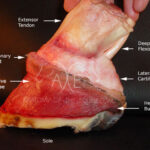 Understanding horse hoof anatomy
- How does poor hoof care affect a horse's mobility?