Pasture rotation is a sustainable farming practice that can significantly enhance the health of your land and livestock. By systematically moving animals between different pasture areas, you can prevent overgrazing, promote regrowth, and improve soil fertility. For small property owners, understanding the best practices for pasture rotation is crucial to maximizing land productivity and maintaining a healthy ecosystem.
What is Pasture Rotation?
Pasture rotation, also known as rotational grazing, involves dividing a pasture into smaller sections and moving livestock between these sections on a regular schedule. This method allows each section to rest and regenerate before being grazed again. The primary goal is to mimic natural grazing patterns, which can lead to healthier pastures and livestock.
Benefits of Pasture Rotation
Implementing pasture rotation on small properties offers several advantages:
- Improved Soil Health: Rotational grazing reduces soil compaction and encourages the growth of diverse plant species, enhancing soil fertility.
- Increased Forage Production: Allowing pastures to rest increases plant growth and provides more food for livestock.
- Better Livestock Health: Livestock have access to fresh, nutritious forage, leading to improved health and productivity.
- Reduced Parasite Load: By moving livestock regularly, you can break the life cycle of parasites, reducing their prevalence.
How to Implement Pasture Rotation on Small Properties
1. Assess Your Land
Before implementing pasture rotation, evaluate your property to determine the number and size of paddocks needed. Consider factors such as:
- Soil Type: Different soils support different types of forage.
- Existing Vegetation: Identify the plant species present and their growth habits.
- Water Sources: Ensure each paddock has access to water.
2. Design Your Paddocks
Divide your pasture into several paddocks. For small properties, aim for at least 4-6 paddocks to allow adequate rest periods. Use temporary or permanent fencing to create these divisions.
3. Determine Grazing and Rest Periods
The key to successful pasture rotation is balancing grazing and rest periods:
- Grazing Period: Typically lasts 1-7 days, depending on the number of paddocks and forage availability.
- Rest Period: Should be long enough to allow forage to recover, usually 21-30 days.
4. Monitor and Adjust
Regularly monitor pasture conditions and livestock health. Be prepared to adjust your rotation schedule based on:
- Weather Conditions: Drought or excessive rain may require changes in grazing frequency.
- Forage Growth: Faster or slower growth rates will affect rest periods.
- Livestock Needs: Nutritional requirements may vary with seasons or production stages.
Practical Examples of Pasture Rotation
Consider this example of a small property implementing pasture rotation:
- Property Size: 10 acres
- Number of Paddocks: 5
- Livestock: 10 cattle
In this scenario, the cattle graze each paddock for 3 days, followed by a 27-day rest period. This schedule ensures each paddock has ample time to recover, promoting healthy forage regrowth.
People Also Ask
What are the challenges of pasture rotation?
Some challenges include managing fencing, ensuring water access, and adapting to changing weather conditions. However, with careful planning and regular monitoring, these challenges can be effectively managed.
How does pasture rotation affect biodiversity?
Pasture rotation can enhance biodiversity by promoting the growth of a variety of plant species. This diversity supports a range of wildlife and improves soil health.
Can pasture rotation work for all types of livestock?
Yes, pasture rotation is suitable for various livestock, including cattle, sheep, goats, and horses. The key is to tailor the rotation schedule to the specific needs and grazing habits of each type of livestock.
How often should pastures be rotated?
The frequency of rotation depends on factors such as forage growth rate, livestock type, and paddock size. Generally, pastures should be rotated every 1-7 days, with rest periods of 21-30 days.
What are the signs of overgrazing?
Signs of overgrazing include bare soil patches, reduced plant diversity, and visible soil erosion. Implementing a pasture rotation system can help prevent these issues.
Conclusion
Implementing pasture rotation on small properties is a highly effective strategy for improving land and livestock health. By carefully assessing your land, designing suitable paddocks, and monitoring conditions, you can optimize your rotational grazing system. This practice not only enhances forage production and soil health but also supports sustainable agriculture and environmental stewardship. For more insights on sustainable farming practices, consider exploring topics like soil conservation techniques and integrated pest management.
Related Posts
- What are some tips for introducing a horse to trail riding?
- What role does diet play in managing horse stress?
- How does citronella compare to chemical fly repellents?
- How can pole work help with a horse's balance and coordination?
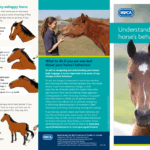 Recognizing normal vs abnormal horse behavior
- How important is goal setting in precision training?
- What role does massage play in a horse's flexibility?
- Are there any essential oils that benefit my pet's coat?
- What role does feedback play in refining transitions for consistency?
- What are the signs of a healthy horse?