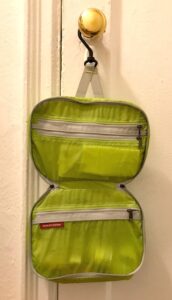
Packing a trail riding kit involves selecting essential items that ensure safety, comfort, and preparedness on your ride. A well-packed kit includes navigation tools, first aid supplies, hydration options, and repair tools.
What Should Be Included in a Trail Riding Kit?
When preparing for a trail ride, it’s crucial to pack a comprehensive kit that covers all potential needs. Here’s a breakdown of essential items to include:
- Navigation Tools: Map, compass, or GPS device
- First Aid Kit: Bandages, antiseptic wipes, pain relievers
- Hydration: Water bottles or hydration pack
- Repair Tools: Multi-tool, tire levers, patch kit
- Clothing: Weather-appropriate layers, rain jacket
- Safety Gear: Helmet, gloves, reflective gear
- Food: Energy bars, trail mix
- Lighting: Headlamp or flashlight
Why Are Navigation Tools Important?
Navigation tools are crucial for ensuring you stay on track and reach your destination safely. A map and compass serve as reliable backups to electronic devices like a GPS. While technology can be convenient, it’s essential to have manual tools in case of battery failure or loss of signal.
How to Choose the Right First Aid Supplies?
A well-stocked first aid kit is vital for addressing minor injuries on the trail. Include bandages of various sizes, antiseptic wipes to clean wounds, and pain relievers for managing discomfort. Consider adding a small guide on basic first aid procedures to assist in emergencies.
What Are the Best Hydration Options?
Staying hydrated is critical during any physical activity. Options include:
- Water Bottles: Easy to refill and measure intake
- Hydration Packs: Convenient for hands-free access
Choose a method that suits the duration and intensity of your ride. Hydration packs are ideal for longer rides, while water bottles work well for shorter trips.
Essential Repair Tools for Trail Riding
Mechanical issues can occur unexpectedly, so carrying a few basic repair tools is wise. A multi-tool with various wrench sizes, tire levers, and a patch kit can help address common issues like flat tires or loose bolts.
What Clothing Should You Wear?
Trail riding requires clothing that adapts to changing weather conditions. Wear weather-appropriate layers and pack a rain jacket for unexpected showers. Gloves provide grip and protection, while a helmet is non-negotiable for safety.
Why Include Food and Snacks?
Trail rides can be energy-intensive, making it important to pack high-energy snacks like energy bars and trail mix. These provide quick, sustained energy to keep you fueled throughout your ride.
Lighting: Why Is It Necessary?
Even if you plan to ride during daylight, carrying a headlamp or flashlight is prudent. Unexpected delays could extend your ride into dusk or darkness, making visibility crucial for safety.
People Also Ask
What Should I Do If I Get Lost While Trail Riding?
If you find yourself lost, stay calm and try to retrace your steps. Use your navigation tools to find landmarks or paths. If you have a phone signal, contact someone for help. Always inform someone of your route before you head out.
How Can I Prevent Bike Breakdowns on the Trail?
Regular maintenance is key to preventing breakdowns. Check your bike’s tires, brakes, and chain before each ride. Carry the necessary repair tools and know how to use them to address minor issues on the trail.
What Are the Benefits of Using a Hydration Pack?
Hydration packs offer hands-free access to water, making it easier to stay hydrated without interrupting your ride. They typically hold more water than bottles and often include additional storage for small items.
How Often Should I Replace Items in My First Aid Kit?
Check your first aid kit every few months to ensure nothing has expired or been used. Replace any items that are damaged or missing to keep your kit fully stocked and ready for emergencies.
What Are Some Good Snack Options for Trail Riding?
Opt for snacks that provide a mix of carbohydrates, protein, and healthy fats. Energy bars, trail mix, and dried fruits are excellent choices, offering quick energy and easy portability.
Summary
Packing a trail riding kit involves thoughtful preparation to ensure a safe and enjoyable adventure. By including essential items like navigation tools, first aid supplies, hydration options, and repair tools, you can handle most situations that arise on the trail. Remember to check your kit regularly and update it as needed to maintain its effectiveness.
For more tips on outdoor activities, consider exploring our guides on hiking essentials and camping safety tips.