Drying tack in winter can be challenging due to the cold and moisture, but following best practices can help maintain your equipment’s quality and longevity. This guide will provide you with effective strategies and tips to ensure your tack dries properly even in the harshest winter conditions.
Why Is Proper Tack Drying Important?
Proper tack drying is crucial to prevent mold, mildew, and damage. Leather and other materials can degrade if not cared for correctly. Ensuring your tack is dry extends its lifespan and maintains its performance.
How to Dry Tack in Winter Efficiently?
-
Clean Your Tack Thoroughly: Before drying, clean your tack to remove dirt and sweat. Use a damp cloth and a suitable cleaner to ensure it’s free from debris.
-
Use a Drying Room or Area: If possible, designate a warm, dry space for drying. A tack room with a heater or dehumidifier works well.
-
Avoid Direct Heat Sources: While it might be tempting to use direct heat, like a radiator or heater, avoid this as it can cause cracking. Instead, opt for ambient warmth.
-
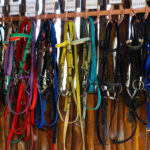
Hang Tack Properly: Use a tack hanger to allow air circulation. Hanging helps prevent creases and ensures even drying.
-
Use a Dehumidifier: A dehumidifier can significantly reduce moisture levels, speeding up the drying process without damaging the tack.
-
Condition Leather Regularly: After drying, condition leather to keep it supple and prevent cracking. Use a high-quality leather conditioner suitable for winter conditions.
What Are the Best Products for Tack Care in Winter?
| Product Type | Recommended Brand | Features |
|---|---|---|
| Leather Cleaner | Lexol | pH-balanced, non-toxic |
| Leather Conditioner | Effax | Deep conditioning, water-repellent |
| Dehumidifier | Pro Breeze | Compact, energy-efficient |
How Can You Prevent Mold and Mildew on Tack?
- Store in a Dry Place: Always store tack in a dry, well-ventilated area.
- Use Silica Gel Packs: Place silica gel packs in storage areas to absorb excess moisture.
- Inspect Regularly: Frequently check your tack for signs of mold or mildew and address any issues immediately.
How to Maintain Tack Quality During Winter?
- Regular Cleaning: Clean tack after every use to prevent build-up of dirt and moisture.
- Routine Inspections: Check for wear and tear, especially in stitching and buckles.
- Proper Storage: Store tack in a way that prevents bending or stress on the materials.
People Also Ask
How Often Should Tack Be Conditioned in Winter?
Condition tack every 2-4 weeks during winter. This frequency ensures the leather remains supple and resistant to the drying effects of cold weather.
Can You Use a Hair Dryer to Dry Tack?
Using a hair dryer is not recommended, as the direct heat can cause leather to crack. Opt for ambient drying methods instead.
What Temperature is Ideal for Drying Tack?
A temperature range of 50-70°F (10-21°C) is ideal. This range allows for effective drying without risking damage from excessive heat.
Should You Clean Tack Before Storing for Winter?
Yes, always clean tack thoroughly before storing for the winter. This prevents dirt and moisture from causing damage over time.
What Are Signs of Damaged Tack?
Look for cracks, stiffness, and discoloration. These signs indicate improper care or drying and should be addressed promptly.
Conclusion
Drying tack in winter requires careful attention to detail and proper techniques. By following these best practices, you can ensure your tack remains in excellent condition throughout the colder months. For more tips on equine care, check out our guides on horse grooming techniques and winter horse health tips.
Related Posts
- What should I do if my horse has had a bad trailer loading experience?
 Budget-friendly tack options for new horse owners
- What is the difference between weaving and cribbing in horses?
- How does exercise influence the moisture content of hooves?
- How does lunging aid in teaching young horses voice commands?
- How can I help reduce stress in my horse?
- Can I use alcohol to sanitize clippers?
- How do environmental factors influence the timing of a half-halt?
- What are the best tools or equipment for catching elusive dog breeds?
- How do transitions influence a horse's muscle development?