A balanced diet is essential for an active horse, providing the necessary energy and nutrients for optimal health and performance. It supports muscle function, bone strength, and overall well-being, ensuring the horse can maintain its activity level without risking fatigue or injury. A well-rounded diet also aids in digestion and nutrient absorption, leading to a healthier and happier horse.
What are the Key Components of a Balanced Diet for an Active Horse?
A balanced diet for an active horse should include a combination of forages, concentrates, and supplements to meet their specific nutritional needs. The exact proportions will vary depending on the horse’s activity level, age, breed, and individual metabolism.
- Forages: These should form the foundation of the diet, providing fiber for digestive health. Good options include grass, hay, and pasture. High-quality legume hays, like alfalfa, are particularly beneficial for growing or lactating horses.
- Concentrates: Grains and commercial feeds offer additional energy and nutrients. Oats are a preferred grain due to their bulk, but corn, barley, and wheat can also be used. Commercial feed mixes are designed to provide a balanced diet when supplemented with hay.
- Supplements: Depending on the horse’s needs, supplements can help fill any nutritional gaps. Common supplements include vitamins, minerals, and electrolytes.
How Does a Balanced Diet Improve a Horse’s Performance?
A balanced diet directly impacts a horse’s performance by providing the energy and nutrients needed for optimal muscle function and endurance.
- Energy: Carbohydrates and fats provide the primary energy sources for horses. Adequate energy intake ensures the horse can perform its work without tiring quickly.
- Protein: Essential for muscle development and repair. Active horses require more protein to maintain muscle mass and recover from exercise.
- Vitamins and Minerals: These support various bodily functions, including energy metabolism, bone health, and immune function. Deficiencies can lead to fatigue, poor performance, and increased risk of injury.
What are the Risks of an Unbalanced Diet for Horses?
An unbalanced diet can lead to various health problems and negatively impact a horse’s performance.
- Nutrient Deficiencies: Lack of essential vitamins and minerals can cause a range of issues, including weakened bones, poor hoof quality, and impaired immune function.
- Digestive Problems: Insufficient fiber can lead to colic, laminitis, and other digestive issues. Moldy or dusty feeds can cause forage poisoning and respiratory complications.
- Weight Issues: Overfeeding can lead to obesity, increasing the risk of laminitis and other metabolic disorders. Underfeeding can result in weight loss, muscle wasting, and fatigue.
How to Choose the Right Commercial Feed for Your Horse?
Choosing the right commercial feed involves considering the horse’s age, activity level, and any specific dietary needs. Look for feeds that are formulated for the appropriate life stage and activity level. Check the ingredient list to ensure it contains high-quality ingredients and avoid feeds with excessive amounts of sugar or starch.
People Also Ask
What are the best sources of fiber for horses?
The best sources of fiber for horses are forages like grass, hay, and pasture. These provide the necessary roughage to maintain a healthy digestive system. Legume hays, such as alfalfa, are also excellent sources of fiber and protein, particularly beneficial for active horses.
How much should I feed my active horse?
The amount to feed depends on the horse’s weight, activity level, and the type of feed. As a general guideline, weanling foals need around three pounds of feed daily per hundred pounds of their weight. Mature horses need about one pound of feed daily per hundred pounds of their weight.
Are there any foods that are toxic to horses?
Yes, several foods are toxic to horses, including moldy or dusty feeds, which can cause forage poisoning and respiratory issues. Silages of all sorts should be avoided since horses and mules are extremely susceptible to botulism and digestive upsets.
Ensuring your active horse receives a balanced diet is crucial for their health, performance, and overall well-being. By understanding the key components of a balanced diet and the risks of an unbalanced one, you can make informed decisions about your horse’s nutrition.
Would you like to explore specific feeding strategies for different types of active horses, such as those involved in racing, jumping, or endurance riding?
Related Posts
- How does groundwork improve a horse's confidence?
- What are the best practices for horse care in extreme weather?
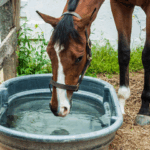 Hydration monitoring: ensuring adequate water intake for your horse
- How does a horse's diet impact its likelihood to bite?
- How does the American Quarter Horse's speed compare to that of Thoroughbreds?
- How can a rider's inexperience lead to improper use of aids?
- What signs indicate a horse is ready for positive reinforcement training?
- How can I safely establish leadership with a dominant horse?
- What are the benefits of consistent actions and intentions for riders?
- What types of exercises are typically included in precision training for seniors?