Senior horse feeds offer targeted nutrition tailored specifically for older horses, addressing their unique dietary needs and health challenges. Unlike regular horse feeds, senior feeds are formulated to support aging equine systems, ensuring they receive the right balance of nutrients for optimal health and well-being.
Why Choose Senior Horse Feeds Over Regular Feeds?
As horses age, their nutritional requirements change. Senior horse feeds are designed with these changes in mind, providing benefits that regular feeds may not offer. Here are the key advantages:
- Enhanced Digestibility: Senior feeds often include easily digestible ingredients, helping older horses absorb nutrients more effectively.
- Balanced Nutrition: These feeds are formulated to meet the specific dietary needs of aging horses, including higher levels of protein and fiber.
- Joint Support: Many senior feeds contain added supplements like glucosamine and chondroitin to support joint health.
- Dental Health: Senior feeds are often softer or pelleted, making them easier to chew for horses with dental issues.
What Nutrients Are Essential in Senior Horse Feeds?
Senior horse feeds are designed to provide a comprehensive nutritional profile tailored for older horses. Key nutrients include:
- Protein: Higher protein levels support muscle maintenance and repair.
- Fiber: Increased fiber aids in digestion and helps maintain a healthy gut.
- Vitamins and Minerals: Essential vitamins like vitamin E and minerals like selenium support overall health.
- Omega Fatty Acids: These promote a healthy coat and skin while supporting immune function.
How Do Senior Horse Feeds Support Digestive Health?
Aging horses often face digestive challenges. Senior feeds address these issues by:
- Including Prebiotics and Probiotics: These support gut health and improve nutrient absorption.
- Using Highly Digestible Ingredients: Ingredients like beet pulp and soybean meal are easier for older horses to digest.
- Reducing Starch Levels: Lower starch content helps prevent digestive upset and conditions like colic.
Are There Specific Health Conditions That Senior Horse Feeds Address?
Yes, senior feeds are formulated to support various age-related health conditions, such as:
- Weight Management: Formulated to help maintain a healthy weight in older horses who may struggle with weight loss.
- Metabolic Issues: Senior feeds often have controlled sugar and starch levels to manage conditions like Cushing’s disease or insulin resistance.
- Bone and Joint Health: Added calcium and phosphorus, along with joint supplements, support bone density and joint function.
Practical Examples of Senior Horse Feed Benefits
Consider the case of a 20-year-old Thoroughbred named Bella. Bella began losing weight and showing signs of stiffness. Her owner switched her to a senior feed, and within months, Bella regained her weight and showed improved mobility. This real-world example illustrates how senior feeds can effectively address the dietary needs of aging horses.
What Are Some Popular Senior Horse Feed Brands?
Here is a comparison of popular senior horse feed brands:
| Feature | Brand A | Brand B | Brand C |
|---|---|---|---|
| Protein Content | 14% | 12% | 16% |
| Fiber Content | 20% | 18% | 22% |
| Joint Supplements | Yes | No | Yes |
| Price (per 50lb bag) | $25 | $20 | $30 |
People Also Ask
What Is the Difference Between Senior and Regular Horse Feeds?
Senior horse feeds are specifically formulated to meet the nutritional needs of older horses, offering enhanced digestibility, joint support, and balanced nutrition. Regular feeds may not provide the necessary nutrients for aging horses, especially those with dental issues or metabolic conditions.
How Often Should I Feed My Senior Horse?
The frequency of feeding depends on the individual horse’s needs, but generally, senior horses benefit from multiple small meals throughout the day. This approach helps with digestion and nutrient absorption, particularly for horses with dental problems.
Can Younger Horses Eat Senior Horse Feeds?
While it’s not ideal, younger horses can eat senior feeds if necessary. However, senior feeds are not optimized for the nutritional needs of younger horses, who typically require different protein and energy levels for growth and activity.
How Can I Transition My Horse to Senior Feed?
Transitioning should be done gradually over 7-10 days. Start by mixing a small amount of senior feed with the regular feed, gradually increasing the proportion of senior feed while decreasing the regular feed.
What Signs Indicate My Horse Needs Senior Feed?
Look for signs such as weight loss, difficulty chewing, decreased energy, and a dull coat. If your horse shows these symptoms, consult with a veterinarian to determine if a senior feed is appropriate.
In summary, senior horse feeds offer a specialized nutritional approach that supports the health and well-being of aging horses. By choosing the right feed, you can help ensure your senior horse remains healthy, active, and comfortable. For more information on horse nutrition, consider exploring topics such as "Understanding Equine Metabolism" or "Feeding Strategies for Special Needs Horses."
Related Posts
- What are some common mistakes riders make that lead to jump refusals?
- Are there specific bridles for controlling dominant horses?
- What is the ideal hay-to-grain ratio for active horses?
- Can horses distinguish between genuine and fake human emotions?
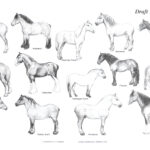 Draft horses: what makes them unique?
- How can I tell if my horse is confused or just stubborn?
- What are the benefits of riding serpentines at the walk?
- Can any horse be trained to respond to light aids?
- How do I adjust light aids for different disciplines?
- Can breath control lead to more subtle rein aids?