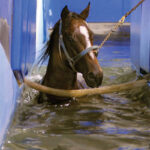
Water-based activities for stabled horses are an excellent way to enhance their physical fitness, improve joint health, and provide mental stimulation. These activities can include swimming, water treadmills, and hydrotherapy, each offering unique benefits to equine health and well-being.
Why Consider Water-Based Activities for Horses?
Water-based activities are particularly beneficial for horses recovering from injuries or those needing low-impact exercise. The buoyancy of water reduces stress on joints and tendons, making it an ideal environment for rehabilitation and conditioning.
What Are the Benefits of Water-Based Activities for Horses?
Engaging horses in water-based activities can lead to several advantages:
- Improved Cardiovascular Fitness: Swimming enhances heart and lung function.
- Increased Muscle Strength: Water resistance helps build muscle without strain.
- Enhanced Flexibility: Warm water can relax muscles, promoting better range of motion.
- Stress Relief: The soothing nature of water can calm anxious horses.
Types of Water-Based Activities for Horses
1. Swimming for Horses
Swimming is an effective full-body workout for horses. It helps improve cardiovascular health and muscle tone while minimizing joint stress. Horses can swim in specially designed equine pools, which vary in size and depth.
2. Water Treadmills
Water treadmills combine the benefits of treadmill exercise with water resistance. They allow precise control over exercise intensity and duration, making them ideal for rehabilitation and conditioning.
3. Hydrotherapy
Hydrotherapy involves using water for pain relief and treatment. It can include cold-water therapy to reduce inflammation or warm-water therapy to relax muscles and improve circulation.
Practical Examples and Case Studies
-
Case Study: Rehabilitation Success: A horse recovering from a tendon injury showed significant improvement after a six-week program of water treadmill sessions. The controlled environment allowed gradual increase in exercise intensity without risk of re-injury.
-
Example: Performance Enhancement: Competitive horses often use swimming to enhance their conditioning. A racehorse trainer reported improved performance and reduced injury rates after incorporating swimming into their training regimen.
How to Introduce Horses to Water-Based Activities
- Start Gradually: Introduce water activities slowly to avoid overwhelming the horse.
- Monitor Behavior: Watch for signs of stress or discomfort and adjust accordingly.
- Consult Professionals: Work with veterinarians or equine therapists to design a suitable program.
People Also Ask
How Often Should Horses Participate in Water-Based Activities?
The frequency depends on the horse’s condition and specific needs. Generally, 2-3 sessions per week are beneficial for conditioning, while rehabilitation may require more frequent sessions under professional guidance.
Are There Any Risks Associated with Water-Based Activities for Horses?
While generally safe, risks include slipping, respiratory issues from water inhalation, and overexertion. Always supervise sessions and ensure facilities are well-maintained.
What Equipment Is Needed for Water-Based Activities?
Essential equipment includes a suitable pool or water treadmill, safety gear like flotation devices, and proper footing to prevent slipping.
Can All Horses Benefit from Water-Based Activities?
Most horses can benefit, but those with respiratory conditions or severe injuries may require special considerations. Always consult a veterinarian before starting any new exercise program.
How Do Water-Based Activities Compare to Traditional Exercise?
Water-based activities offer low-impact exercise, reducing the risk of injury compared to traditional workouts. They are particularly advantageous for rehabilitation and conditioning.
Conclusion
Incorporating water-based activities into a horse’s routine can significantly enhance their physical health and mental well-being. Whether for rehabilitation or general conditioning, these activities offer a unique and effective way to support equine health. For further reading, consider exploring topics such as equine nutrition or the benefits of pasture turnout.
By understanding and implementing these activities, horse owners can ensure their animals remain healthy, happy, and fit.
Related Posts
- How can I train my horse to lead on a trail ride?
- What role does a veterinarian play in introducing a companion animal to a horse?
 Water requirements: keeping your horse hydrated
- How often should I work on my core to improve posture?
- Is there a link between separation anxiety and colic in horses?
- What are some common mistakes owners make that encourage biting?
- What are common signs of stress in horses during introductions?
- What is the difference between core and non-core vaccines for older horses?
- How can you prevent contamination in horse feed bags?
- How does the use of automatic watering systems influence dust in barns?