What are some signs that a gaited horse needs a break during training?
Recognizing when a gaited horse needs a break during training is crucial for maintaining its health and performance. Key signs include fatigue, resistance, and changes in gait. Understanding these indicators helps ensure the horse’s well-being and enhances training outcomes.
How to Identify Fatigue in Gaited Horses?
Fatigue is a primary sign that a gaited horse requires a break. Here are some indicators:
- Decreased Energy Levels: A noticeable drop in energy or enthusiasm during training sessions.
- Heavy Breathing: Increased respiration rate, especially if it doesn’t normalize quickly after exercise.
- Sweating: Excessive sweating, particularly in cooler conditions, can signal overexertion.
Monitoring these signs ensures that your horse remains in optimal condition, preventing potential health issues.
What Behavioral Changes Indicate the Need for a Break?
Behavioral changes can be subtle yet significant indicators that a horse needs rest:
- Resistance: Increased resistance to commands or reluctance to move forward.
- Irritability: Signs of frustration or aggression, such as pinned ears or tail swishing.
- Loss of Focus: Difficulty maintaining attention on tasks, leading to inconsistent performance.
Addressing these behaviors promptly can prevent further complications and improve training efficiency.
How Does Gait Change Signal the Need for Rest?
Changes in a horse’s gait can be a clear sign that it needs a break:
- Irregular Gait: Any changes in the rhythm or smoothness of the gait.
- Stumbling or Tripping: Increased frequency of stumbling, indicating fatigue or discomfort.
- Lack of Coordination: Difficulty maintaining the usual gait pattern, suggesting muscle tiredness.
Regularly assessing your horse’s gait can help identify when a break is necessary, ensuring long-term health and performance.
Why is Monitoring Physical Condition Important?
Observing a horse’s physical condition is vital for determining the need for rest:
- Muscle Tension: Tight or sore muscles, which can be felt through palpation.
- Weight Loss: Unexplained weight loss may suggest overtraining.
- Injuries: Any signs of lameness or swelling should be taken seriously.
Maintaining a close watch on these aspects helps in making informed decisions about training intensity and duration.
How to Implement Breaks Effectively?
Implementing breaks effectively can enhance a horse’s training regimen:
- Scheduled Rest Days: Incorporate regular rest days into training schedules.
- Short Breaks During Sessions: Provide brief pauses during training to allow recovery.
- Cross-Training: Engage in different activities to reduce stress on specific muscle groups.
These strategies not only prevent burnout but also promote a balanced and sustainable training approach.
People Also Ask
How Often Should Gaited Horses Be Trained?
Gaited horses generally benefit from training sessions 3-5 times a week, depending on their fitness level and training goals. It’s essential to balance work and rest to prevent overtraining and ensure optimal performance.
What Are the Benefits of Regular Breaks in Horse Training?
Regular breaks help prevent fatigue, reduce the risk of injuries, and improve mental well-being. They allow horses to recover physically and mentally, leading to more effective training sessions and prolonged careers.
How Can I Tell if My Horse is Overworked?
Signs of an overworked horse include chronic fatigue, persistent irritability, and a consistent decline in performance. Monitoring these indicators and adjusting the training regimen accordingly is crucial for the horse’s health.
What Role Does Nutrition Play in a Horse’s Recovery?
Nutrition is vital for recovery, providing the necessary energy and nutrients to repair muscles and replenish energy stores. A balanced diet tailored to the horse’s activity level can significantly enhance recovery and performance.
Can Cross-Training Benefit Gaited Horses?
Yes, cross-training can improve overall fitness, prevent boredom, and reduce the risk of overuse injuries. Activities like trail riding or swimming can complement traditional training and contribute to a well-rounded fitness regimen.
Conclusion
Recognizing the signs that a gaited horse needs a break during training is essential for maintaining its health and enhancing performance. By monitoring fatigue, behavioral changes, and gait alterations, you can ensure your horse remains in peak condition. Implementing regular breaks and cross-training can further support its well-being. For more insights on horse training, explore our articles on horse nutrition and effective training techniques.
Related Posts
- Are dry environments better for hoof health?
- How can relaxation help in reducing anxiety associated with rushing?
- How do beginner riders choose the right horse?
- Is it better to introduce a horse to a herd during feeding time?
- How do horses communicate stress through body language?
- How does voice tone influence a horse's social interactions?
- Vaccinations Every Horse Should Receive
- Can skin tests be used to identify allergies in horses?
- What qualifications should I look for in an equine dentist?
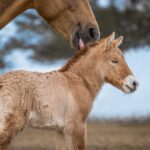 The przewalski's horse: the last true wild horse