High-fiber forages are essential components of animal feed, offering the necessary roughage for proper digestion and health, especially in ruminant animals. These forages, which include pasture grasses, hays, silage, straws, and stovers, provide more than just bulk; they supply crucial nutrients and energy, particularly when supplemented appropriately.
What are High-Fiber Forages?
High-fiber forages, also known as roughages, are plant-based materials with high fiber content used as animal feed. These are typically grasses, legumes, or entire plants harvested and processed to feed livestock. Forages are critical in the diets of ruminants like cattle, sheep, and goats, supporting their digestive systems and overall health.
Types of High-Fiber Forages
- Pasture Grasses: Fresh grasses consumed directly by grazing animals.
- Hays: Dried grasses or legumes, such as alfalfa and clover, stored for later use.
- Silage: Fermented, high-moisture forage stored in airtight conditions like silos or trenches.
- Straw: The dry stalks of cereal grains (wheat, oats, barley, rice) remaining after harvesting the grain.
- Stover: The stalks and leaves of corn plants left in the field after harvest.
How are High-Fiber Forages Used in Animal Feed?
High-fiber forages serve multiple critical roles in animal nutrition:
- Ruminant Digestion: Ruminants have a unique digestive system that relies on fiber to maintain a healthy gut microbiome. Fiber promotes rumination, which aids in breaking down plant matter.
- Nutrient Provision: Legume hays like alfalfa and clover are rich in protein, while grasses provide carbohydrates. These nutrients are essential for growth, maintenance, and production (milk, meat, etc.).
- Energy Source: While fiber is not as energy-dense as concentrates, it still provides a sustained energy release, particularly when the cellulose is made more digestible through treatments like alkali.
- Cost-Effective Feed: Forages, especially straws and stovers, can be a cost-effective way to feed animals, particularly when other feeds are scarce. However, they often require supplementation to meet nutritional needs.
What are the Benefits of High-Fiber Forages?
- Improved Digestion: The high fiber content promotes healthy digestion in ruminants, preventing issues like acidosis or bloat.
- Nutrient Balance: Forages provide a range of nutrients, including vitamins and minerals, that contribute to overall animal health.
- Sustainable Feeding: Utilizing crop residues like straw and stover reduces waste and provides an environmentally sustainable feed source.
- Animal Welfare: Access to forage, especially pasture, allows animals to express natural grazing behaviors, improving their welfare.
What are the Limitations of High-Fiber Forages?
- Lower Digestibility: Some forages, like straw, have low digestibility due to their high fiber content. Treatment with alkali can improve this.
- Variable Nutrient Content: The nutritional value of forages can vary widely based on plant type, maturity, and growing conditions.
- Storage Challenges: Proper storage is crucial to prevent spoilage and nutrient loss, especially in hays and silages.
- Supplementation Needs: Many high-fiber forages require supplementation with protein, energy, and minerals to meet the nutritional requirements of animals.
People Also Ask (PAA) Section
How does silage compare to hay in terms of nutritional value?
Silage generally retains more nutrients than hay because the fermentation process preserves the forage, reducing nutrient loss during storage. Hay, on the other hand, can lose nutrients if not dried and stored properly. However, the specific nutritional value depends on the type of forage used and the quality of the ensiling or hay-making process.
What animals benefit most from high-fiber forages?
Ruminant animals like cattle, sheep, and goats benefit the most from high-fiber forages due to their unique digestive systems. These animals have a rumen, a specialized compartment in their stomach, that allows them to ferment and extract nutrients from fibrous plant materials. Horses can also digest fiber, but not as efficiently as ruminants.
How can I improve the digestibility of straw for animal feed?
The digestibility of straw can be improved through various treatments, with alkali treatment being particularly effective. This process involves treating the straw with an alkali solution, which breaks down the lignin and cellulose, making it easier for animals to digest. Supplementing straw with protein and minerals also enhances its nutritional value.
In summary, high-fiber forages are a diverse group of feedstuffs vital for animal nutrition, especially for ruminants. While they have limitations, their benefits in promoting digestive health, providing essential nutrients, and offering cost-effective feeding solutions make them indispensable in livestock diets.
Would you like to explore specific types of high-fiber forages in more detail?
Related Posts
- Can massage therapy help a fidgety horse?
- How often should I change my horse's activities?
- What techniques can be used to calm a flighty horse?
- How can poor posture affect a horse's movement?
- What is the connection between breathing and core stability for riders?
- What role does ear position play in horse safety?
 The best online courses for horse health
- What are the signs of a horse thriving in a new environment?
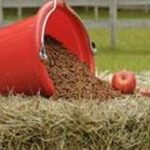 Understanding your horse's nutritional needs
- Can breed-specific food help prevent obesity in dogs?