Training Multiple Horses: Managing Different Personalities
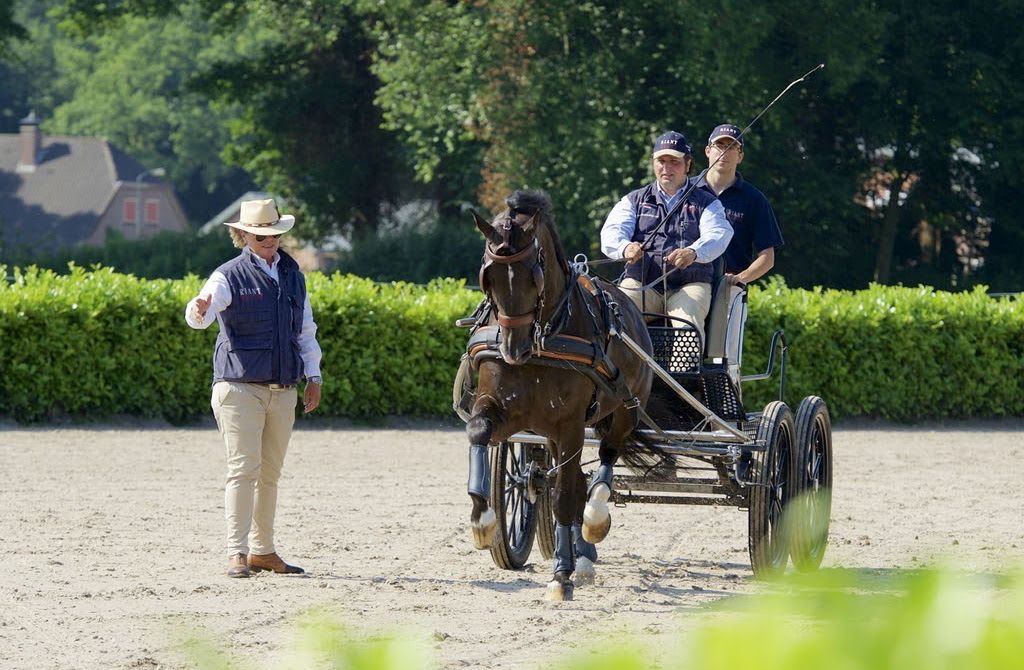
Training multiple horses simultaneously can be a rewarding yet challenging experience, especially when each horse has a unique personality. Understanding and managing these differences is key to successful training outcomes.
Understanding Horse Personalities

Horses, like humans, have distinct temperaments that influence their behavior and learning styles. Common personality types include:
| Personality Type | Characteristics | Training Approach |
|---|---|---|
| The Leader | Confident, dominant, sometimes stubborn | Use firm, consistent commands; establish clear boundaries |
| The Follower | Submissive, eager to please | Encourage confidence; use positive reinforcement |
| The Sensitive | Easily startled, reactive | Employ calm, gentle techniques; build trust gradually |
| The Independent | Curious, sometimes aloof | Engage with varied exercises; maintain patience |
Strategies for Managing Different Personalities
- Individualized Training Plans: Tailor your approach to each horse’s personality and learning pace.
- Consistent Routine: Maintain a structured schedule to provide stability.
- Positive Reinforcement: Use rewards to motivate and encourage desired behaviors.
- Patience and Observation: Monitor each horse’s reactions and adjust methods accordingly.
- Safety First: Always prioritize safety for both trainer and horses, especially when managing dominant or sensitive horses.
Practical Tips for Training Multiple Horses
- Separate Training Sessions: When possible, train horses individually to focus on their specific needs.
- Group Dynamics Awareness: Understand how horses interact in groups to prevent conflicts.
- Use of Visual and Verbal Cues: Consistent signals help horses understand expectations.
- Record Progress: Keep detailed notes on each horse’s development and challenges.
FAQ
Q1: How do I handle a dominant horse during group training?
A1: Establish yourself as the leader with clear, firm commands and avoid confrontations. Use consistent boundaries to manage dominance.
Q2: Can sensitive horses be trained alongside more confident ones?
A2: Yes, but ensure sensitive horses have a calm environment and possibly separate sessions to reduce stress.
Q3: How important is routine in training multiple horses?
A3: Very important. A consistent routine helps all horses feel secure and understand expectations.
Conclusion
Successfully training multiple horses with different personalities requires patience, adaptability, and a deep understanding of equine behavior. By customizing your approach and maintaining a structured, positive environment, you can foster growth and harmony among your horses.
This article structure is designed to be SEO-friendly by incorporating relevant keywords, clear headings, and engaging content that addresses common questions and concerns about training multiple horses with diverse personalities.