
Thoroughbreds as Pleasure Horses: Transitioning from Track to Trail
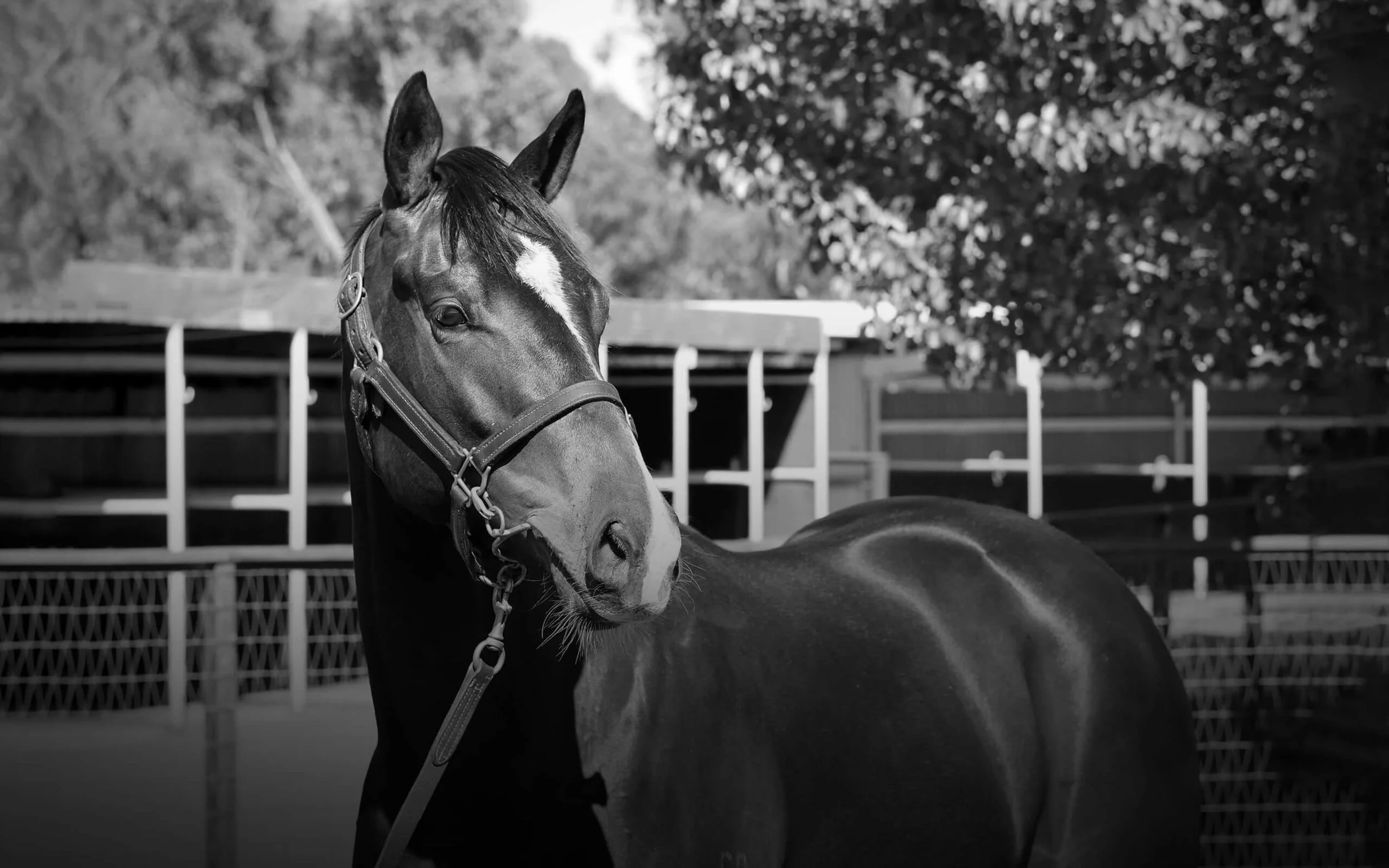
Thoroughbreds are renowned for their speed, agility, and spirit on the racetrack, but many find a second career as pleasure horses, excelling in trail riding and other recreational disciplines. Transitioning a Thoroughbred from the track to the trail involves understanding their unique traits, retraining needs, and care requirements.
Characteristics of Thoroughbreds
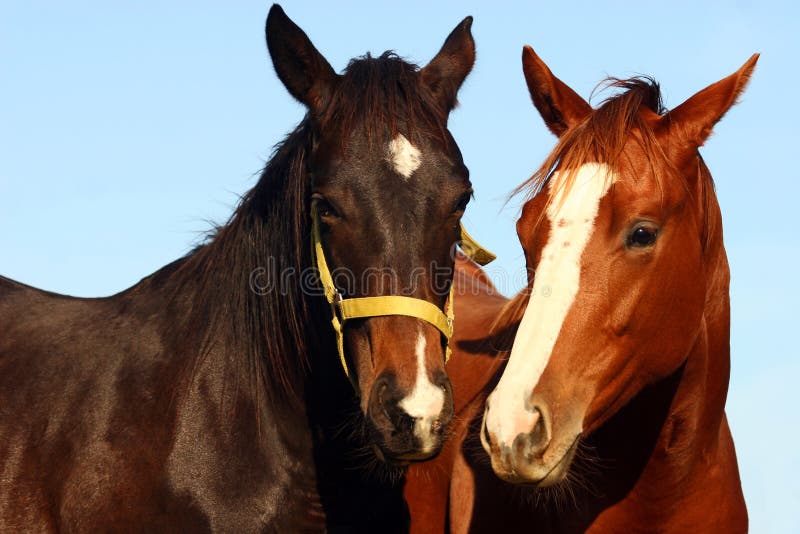
- Athleticism and Stamina: Bred for racing, Thoroughbreds possess exceptional endurance and agility, making them well-suited for various riding activities beyond the track.
- Temperament: While often spirited and high-energy, many Thoroughbreds are intelligent and willing learners, which can be harnessed with proper training.
- Physical Build: Their lean, muscular frame supports speed and endurance but may require conditioning adjustments for trail work.
The Transition Process
Initial Assessment
- Evaluate the horse’s physical and mental condition post-racing career.
- Identify any injuries or health issues that need addressing.
Retraining and Conditioning
- Introduce groundwork and basic obedience to build trust and communication.
- Gradually expose the horse to trail environments to desensitize and acclimate them.
- Develop fitness tailored to trail riding, focusing on endurance and balance rather than speed.
Behavioral Adjustments
- Address any anxiety or excitability stemming from racing experiences.
- Reinforce calm and responsive behavior suitable for leisure riding.
Care and Management
- Nutrition: Adjust diet to match the horse’s new activity level, often requiring fewer calories but balanced nutrients.
- Hoof and Dental Care: Regular maintenance is crucial to support new types of terrain and workload.
- Veterinary Check-ups: Ongoing health monitoring ensures the horse adapts well to its new lifestyle.
Benefits of Owning a Retired Racehorse
- Cost-Effectiveness: Often available at lower prices than purpose-bred pleasure horses.
- Unique Bond: Building a relationship through retraining can be deeply rewarding.
- Versatility: Many Thoroughbreds excel in disciplines like dressage, jumping, and endurance riding.
Frequently Asked Questions (FAQ)
| Question | Answer |
|---|---|
| How long does retraining usually take? | It varies, but typically 3 to 6 months to adjust to new routines and environments. |
| Are Thoroughbreds suitable for beginners? | With proper training and a calm temperament, some Thoroughbreds can be beginner-friendly. |
| What challenges might arise? | Behavioral issues, physical injuries, and adapting to new diets are common challenges. |
Conclusion
Transitioning a Thoroughbred from the racetrack to the trail is a fulfilling journey that requires patience, knowledge, and dedication. With the right approach, these magnificent horses can enjoy a happy, healthy second career as beloved pleasure companions.