The Ultimate Guide to Horseback Camping in the Wilderness
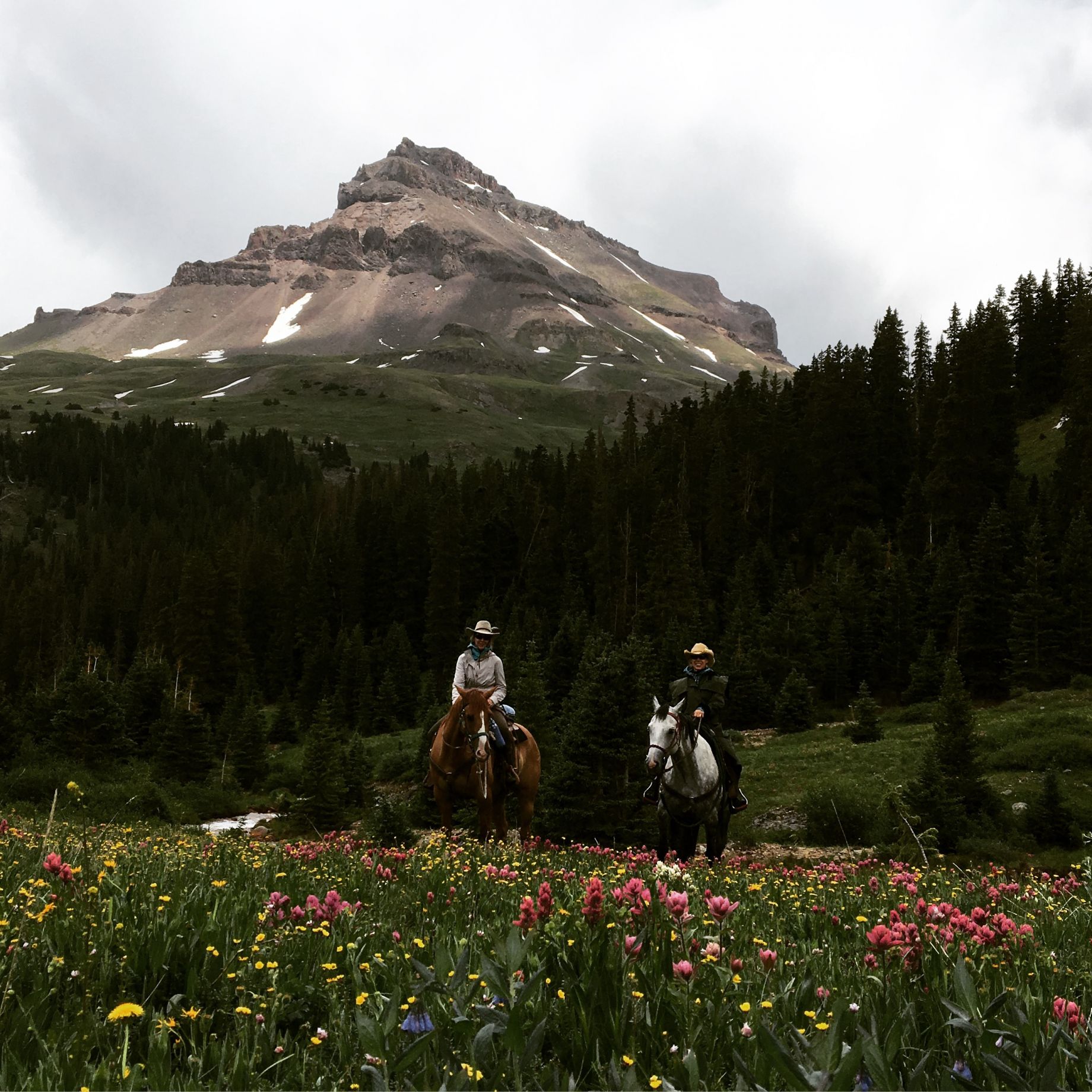
Horseback camping combines the thrill of trail riding with the adventure of camping, offering a unique way to explore the great outdoors. This guide will walk you through everything you need to know to plan a safe, enjoyable, and memorable horseback camping trip.
Introduction to Horseback Camping
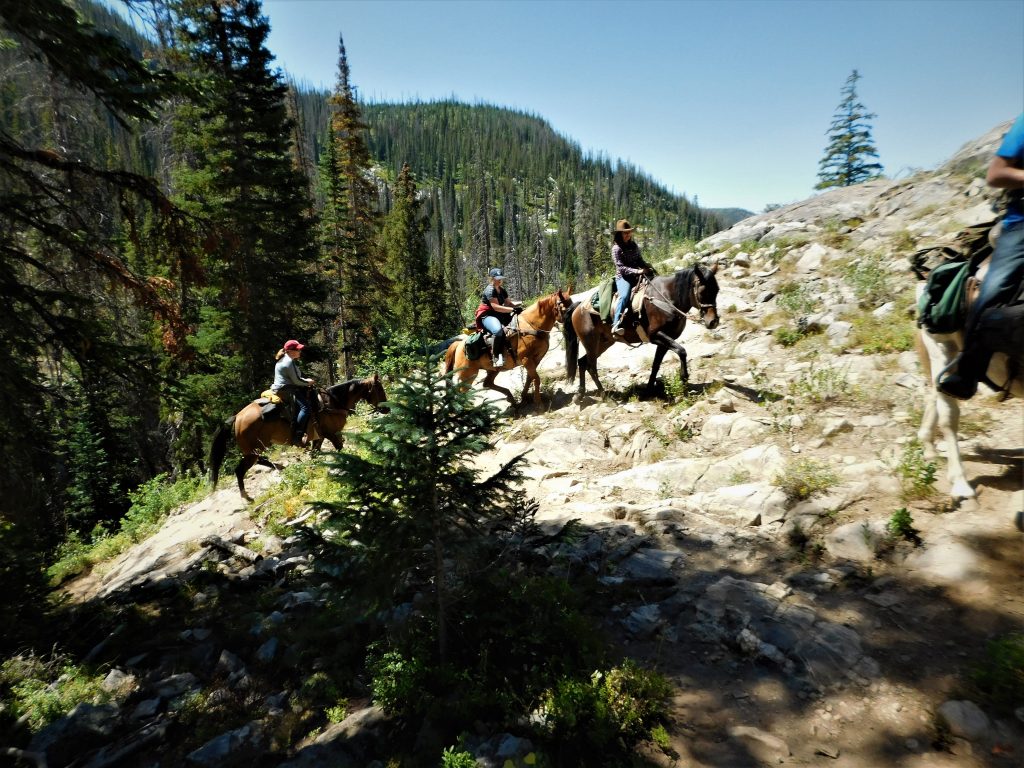
- What is horseback camping?
- Benefits of horseback camping: connection with nature, access to remote areas, and bonding with your horse.
Planning Your Trip
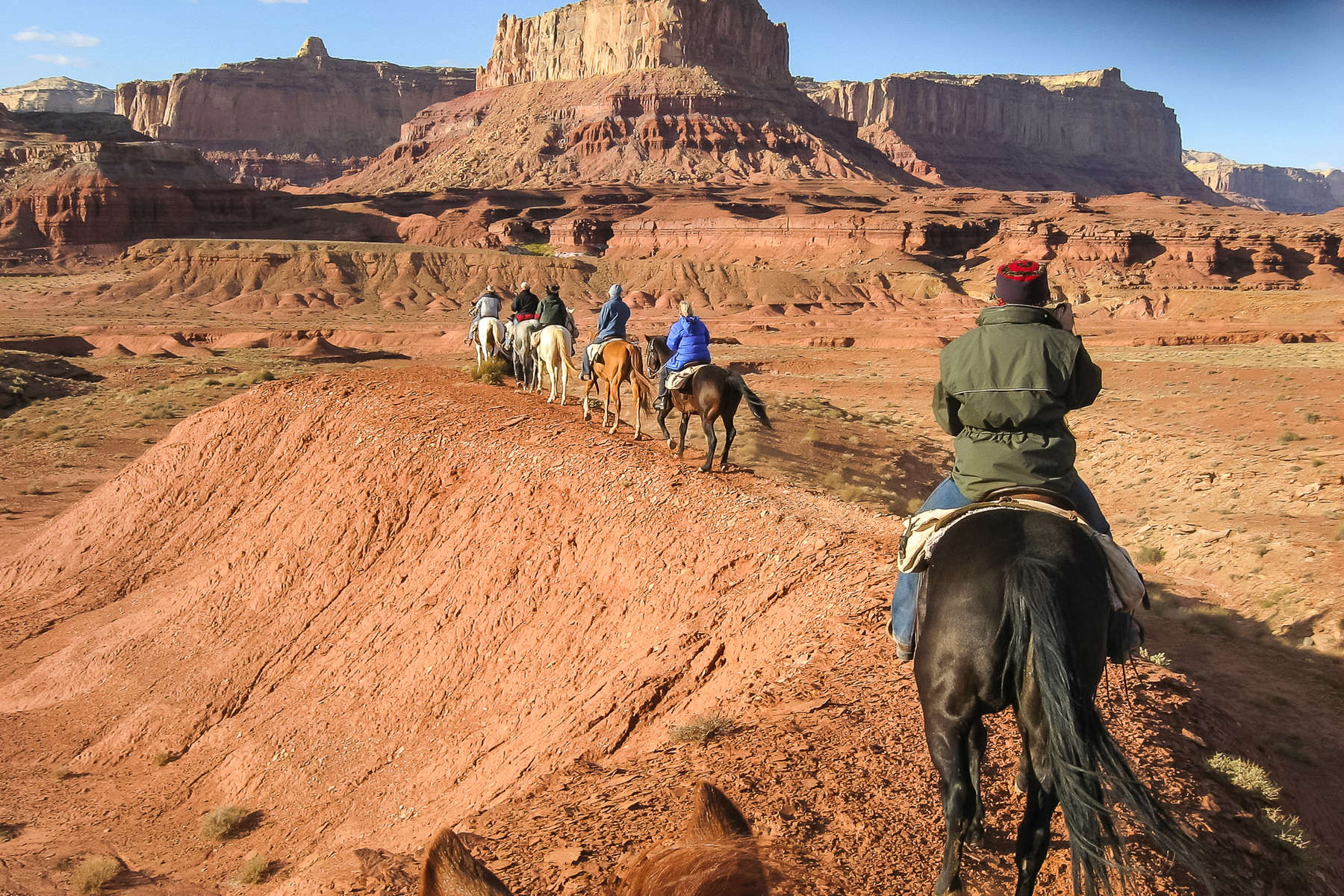
- Choosing the right location: national parks, wilderness areas, and horse-friendly trails.
- Permits and regulations: understanding local rules and obtaining necessary permissions.
- Best seasons for horseback camping.
Preparing Your Horse
- Conditioning and training your horse for trail and camping.
- Packing essentials for your horse: saddlebags, feed, water, and first aid.
- Health checks and vaccinations.
Essential Gear for Horseback Camping
- Rider gear: appropriate clothing, boots, helmets.
- Camping equipment: tents, sleeping bags, cooking gear.
- Horse gear: saddles, bridles, protective boots.
Packing Tips and Load Management
- How to pack efficiently for both rider and horse.
- Weight distribution and balancing loads.
- Checklist for packing.
Setting Up Camp
- Finding a suitable campsite for horses.
- Setting up horse-safe areas.
- Campfire safety and food storage.
Safety Tips and Emergency Preparedness
- Navigating trails safely.
- Dealing with wildlife encounters.
- First aid for rider and horse.
- Emergency communication devices.
Environmental Considerations
- Leave No Trace principles.
- Minimizing impact on trails and campsites.
Sample Itinerary
| Day | Activity |
|---|---|
| 1 | Arrival and camp setup |
| 2 | Trail ride and exploration |
| 3 | Rest day and horse care |
| 4 | Return ride and pack up |
Frequently Asked Questions (FAQ)
- How do I train my horse for camping trips?
- What should I do if my horse gets injured?
- Can beginners go horseback camping?
- How do I manage food and water for my horse?
Conclusion
Horseback camping is a rewarding experience that requires careful planning and respect for nature and your animal companion. With the right preparation, you can enjoy unforgettable adventures in the wilderness.
This expanded outline provides a clear structure and detailed topics to cover in your blog article, making it SEO-friendly and reader-focused. Using tables, lists, and FAQs will enhance readability and engagement.