The Ultimate Guide to Horse Grains
Writing a detailed, SEO-friendly blog article in English about horse grains involves several key components to ensure the content is informative, engaging, and optimized for search engines. Here’s a comprehensive approach to crafting such an article:
1. Introduction to Horse Grains
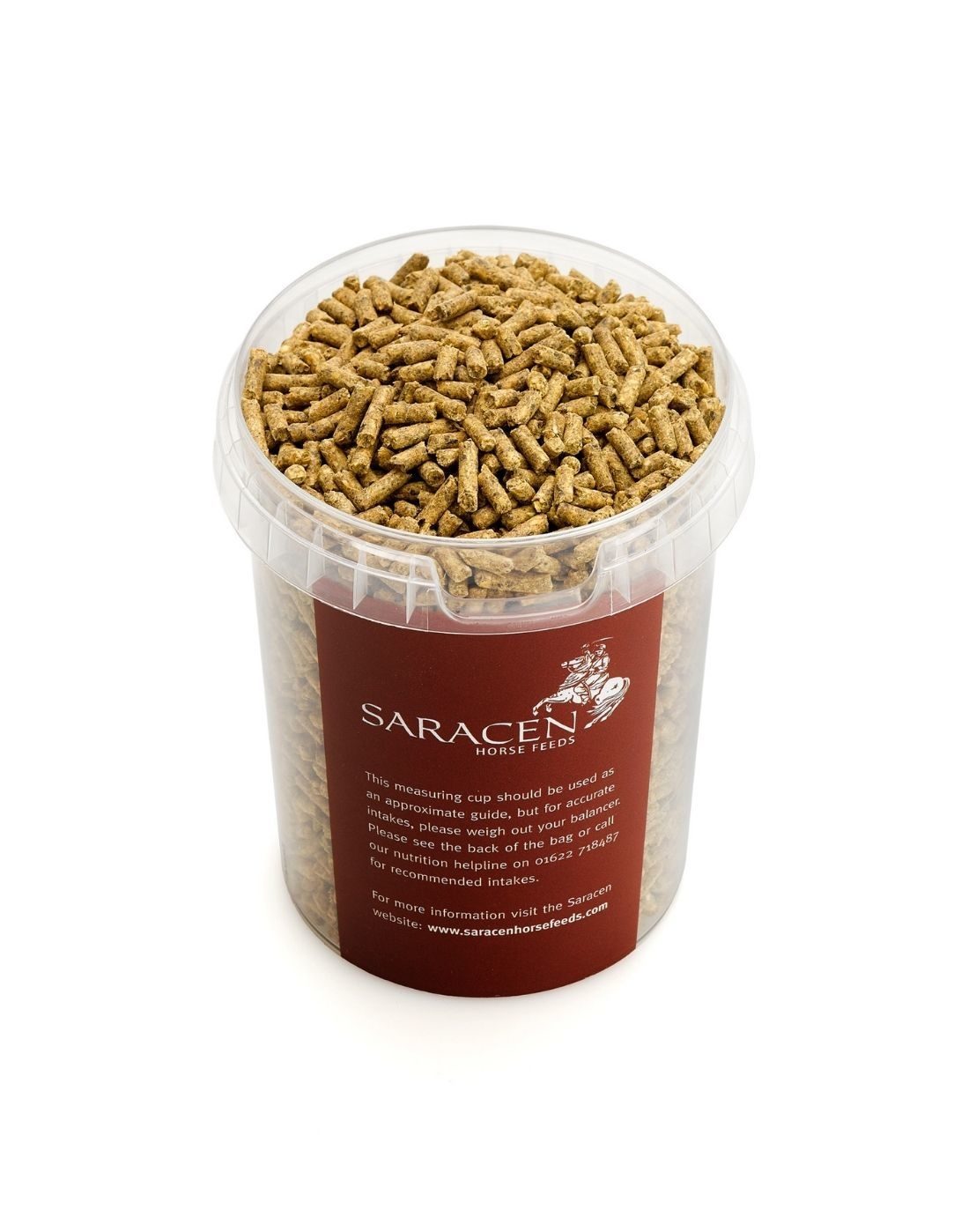
- Define what horse grains are and their role in equine nutrition.
- Briefly explain why grains are important for horses and how they complement forage.
2. Types of Horse Grains
- List and describe common grains fed to horses, such as oats, barley, corn, and wheat.
- Include a table comparing their nutritional profiles (e.g., energy content, fiber, protein).
| Grain | Energy (Mcal/lb) | Protein (%) | Fiber (%) |
|---|---|---|---|
| Oats | 1.54 | 11 | 10 |
| Barley | 1.54 | 12 | 6 |
| Corn | 1.54 | 9 | 2 |
| Wheat | 1.54 | 13 | 3 |
3. Benefits of Feeding Grains to Horses
- Discuss how grains provide energy, support performance, and aid in weight gain.
- Explain the importance of balancing grains with forage to prevent digestive issues.
4. How to Choose the Right Grain
- Factors to consider: horse’s age, workload, health status, and dietary needs.
- Tips on selecting grains based on these factors.
5. Feeding Guidelines and Safety
- Recommended quantities and feeding frequency.
- Potential risks of overfeeding grains, such as colic or laminitis.
- Best practices for introducing grains into a horse’s diet.
6. Common Myths and FAQs
- Address frequently asked questions about horse grains.
- Debunk common misconceptions.
Sample FAQs
- Can horses eat only grains?
- Are all grains safe for horses?
- How do grains affect a horse’s digestion?
7. Conclusion
- Summarize key points.
- Encourage readers to consult with a veterinarian or equine nutritionist for personalized advice.
By structuring the article with clear headings, tables, and lists, and including an FAQ section, the blog post will be both user-friendly and optimized for SEO. This format helps readers quickly find the information they need while improving the article’s search engine ranking potential.