The Ultimate Guide to Horse Dental Care
Proper dental care is essential for maintaining your horse’s overall health and well-being. This guide covers everything you need to know about horse dental care, from understanding their unique dental anatomy to practical tips for routine maintenance.
Understanding Horse Dental Anatomy
Horses have a complex dental structure that includes incisors, canines, premolars, and molars. Their teeth continuously grow throughout their lives, which makes regular dental care crucial to prevent issues like uneven wear or sharp edges.
| Tooth Type | Function | Location |
|---|---|---|
| Incisors | Cutting and biting food | Front of the mouth |
| Canines | Defense and fighting (mostly in males) | Between incisors and premolars |
| Premolars | Grinding food | Behind canines |
| Molars | Grinding food | Back of the mouth |
Common Dental Problems in Horses
- Sharp Enamel Points: Can cause mouth ulcers and discomfort.
- Hooks and Ramps: Uneven tooth growth leading to difficulty chewing.
- Wave Mouth: Irregular tooth wear creating a wave-like pattern.
- Diastema: Gaps between teeth where food can get trapped, causing infection.
Signs Your Horse Needs Dental Care
- Difficulty eating or dropping food
- Weight loss
- Bad breath
- Excessive salivation
- Head tossing or resistance when bridled
Routine Dental Care Practices
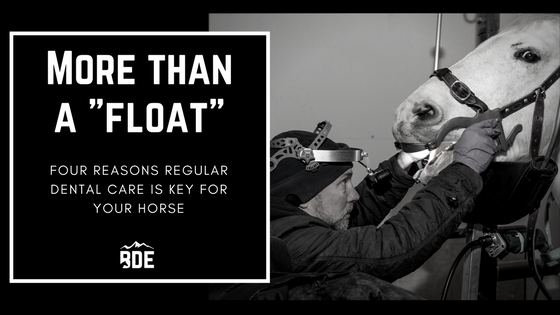
- Regular Dental Exams: Schedule check-ups at least once or twice a year with an equine dentist or veterinarian.
- Floating Teeth: Filing down sharp points and uneven surfaces to ensure comfortable chewing.
- Diet Management: Providing appropriate feed that supports dental health.
- Observation: Monitor your horse’s eating habits and behavior for early signs of dental issues.
Tools and Techniques for Horse Dental Care
- Dental Floats: Hand or power tools used to file teeth.
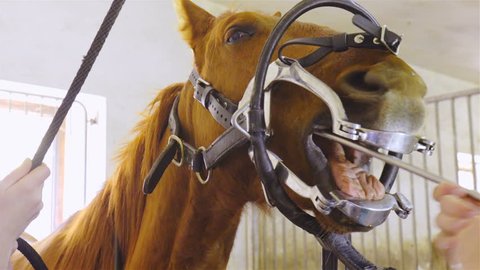
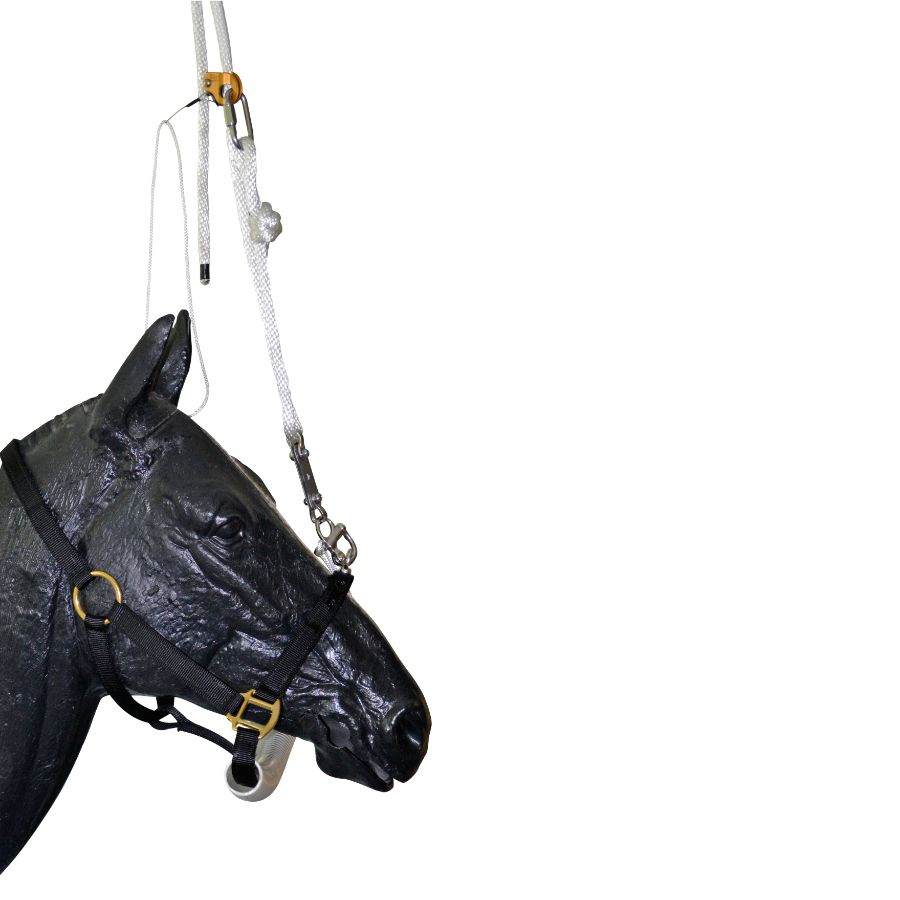
- Speculum: Device to keep the horse’s mouth open during examination.
- Sedation: Sometimes necessary for thorough dental work.
Frequently Asked Questions (FAQ)
Q1: How often should a horse’s teeth be checked?
A: Typically, every 6 to 12 months, but some horses may require more frequent care.
Q2: Can I perform dental care on my horse myself?
A: Basic observation is fine, but dental procedures should be done by professionals.
Q3: What are the risks of neglecting horse dental care?
A: Poor dental health can lead to weight loss, colic, and behavioral problems.
Q4: At what age should dental care begin?
A: Dental care should start when the horse is a foal and continue throughout its life.
Maintaining your horse’s dental health is vital for its comfort and longevity. Regular care not only prevents pain but also supports proper nutrition and overall health.