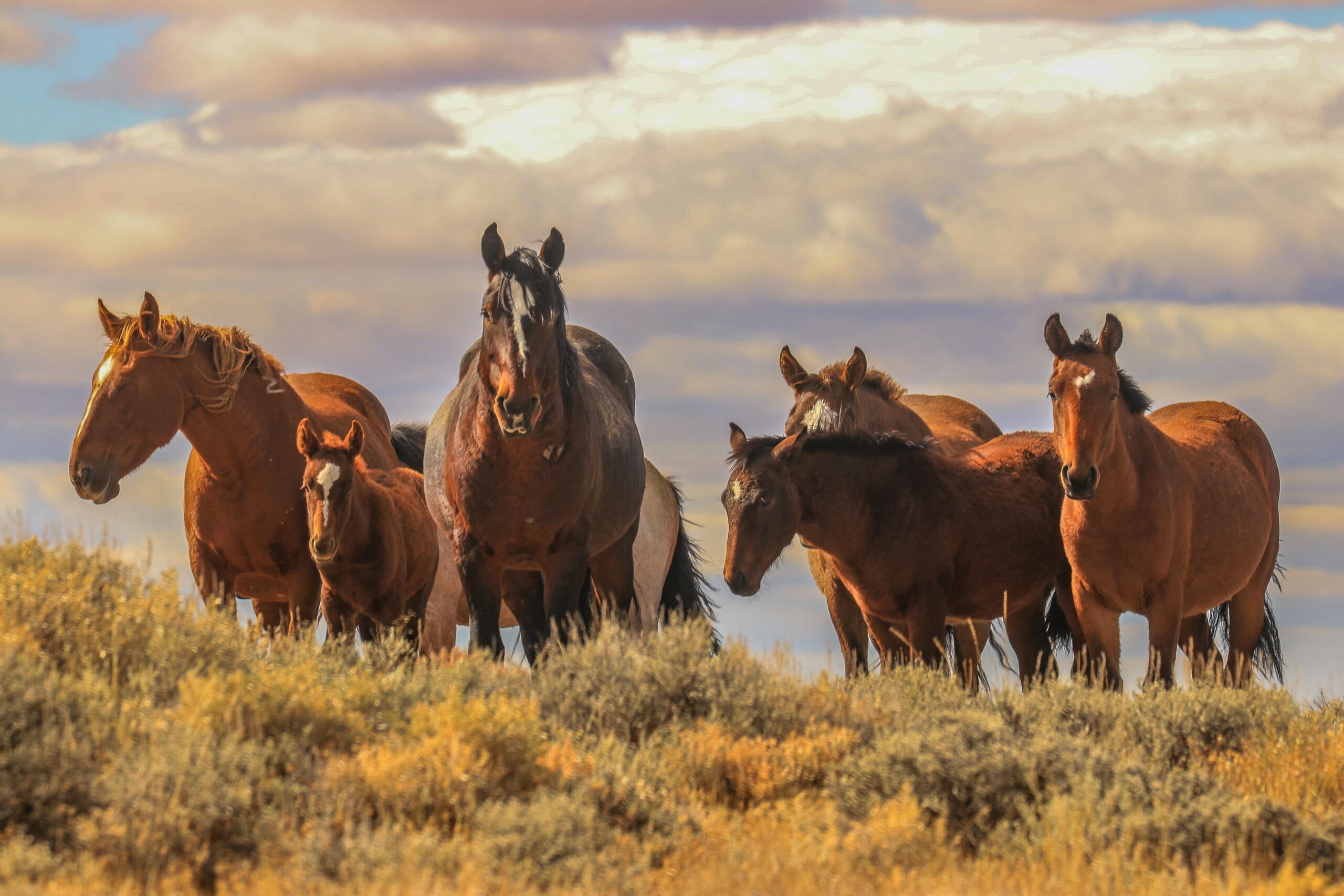
The Legal Status of Wild Horses in America
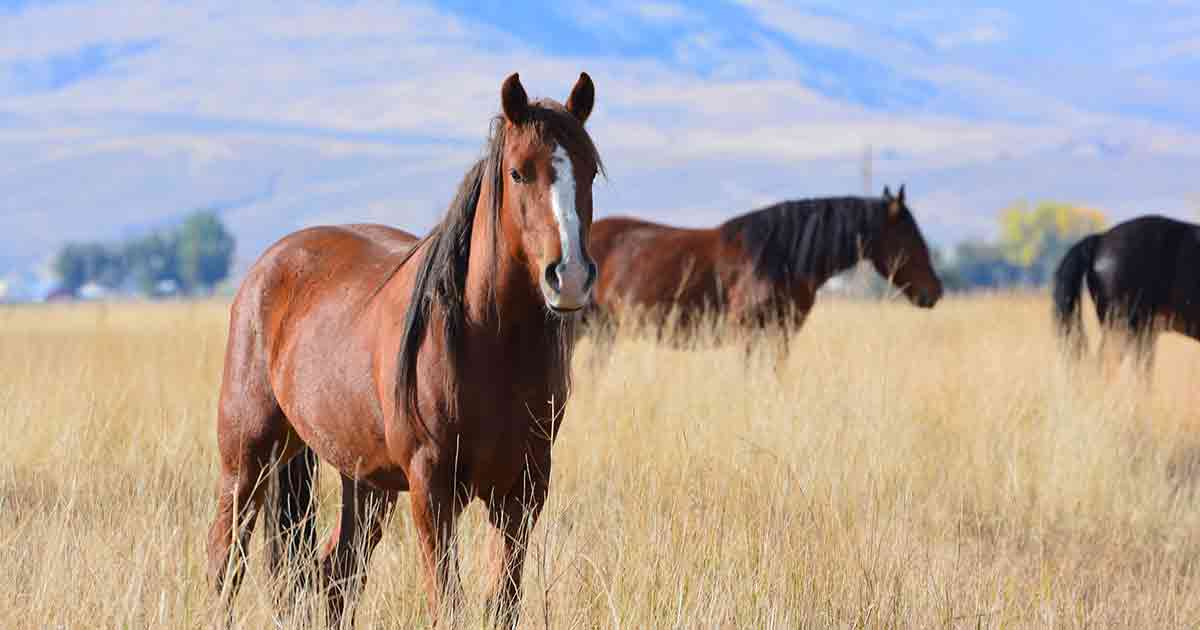
Wild horses, often seen as symbols of freedom and the American West, have a unique and complex legal status in the United States. This article explores the laws, regulations, and controversies surrounding these iconic animals.
Historical Background
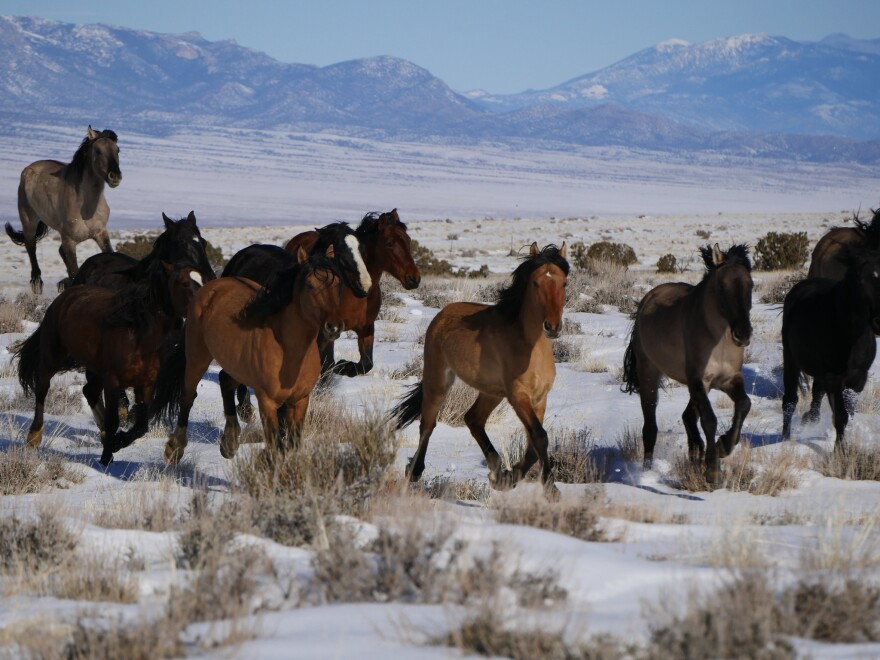
Wild horses, also known as mustangs, are descendants of domesticated horses brought to North America by Spanish explorers in the 16th century. Over time, they adapted to the wild, roaming freely across vast public lands.
Legal Framework
The primary law governing wild horses in the U.S. is the Wild Free-Roaming Horses and Burros Act of 1971 (WFRHBA). This act:
- Recognizes wild horses and burros as “living symbols of the historic and pioneer spirit of the West.”
- Protects them from capture, branding, harassment, or death on public lands.
- Mandates their management by the Bureau of Land Management (BLM) and the U.S. Forest Service.
| Aspect | Details |
|---|---|
| Governing Law | Wild Free-Roaming Horses and Burros Act of 1971 |
| Managing Agencies | Bureau of Land Management (BLM), U.S. Forest Service |
| Protected Status | Protected from capture, harassment, and killing on public lands |
| Population Management | Includes roundups, adoption programs, and fertility control measures |
Management Practices
To balance ecological health and wild horse populations, agencies employ several management strategies:
- Roundups: Periodic gathers to control population size.
- Adoption Programs: Allowing private citizens to adopt horses.
- Fertility Control: Using contraceptives to manage reproduction rates.
Controversies and Challenges
Despite protections, wild horses face challenges such as:
- Conflicts with ranchers and land developers over grazing rights.
- Environmental concerns regarding overgrazing and habitat degradation.
- Debates over the ethics and effectiveness of population control methods.
Frequently Asked Questions (FAQ)
Are wild horses considered endangered?
No, wild horses are not classified as endangered under federal law, but their populations are carefully managed to prevent overpopulation and ecological damage.
Can wild horses be privately owned?
Yes, through government adoption programs, individuals can legally own wild horses removed from public lands.
What happens if wild horses are found on private property?
Wild horses are generally managed on public lands; if found on private property, owners should contact local wildlife authorities for guidance.
How does the government fund wild horse management?
Funding comes from federal budgets allocated to the BLM and U.S. Forest Service, supplemented by adoption fees and donations.
Conclusion
The legal status of wild horses in America reflects a balance between preserving a cultural icon and managing natural resources responsibly. Ongoing debates and management efforts continue to shape their future.
This article provides a detailed, SEO-friendly overview suitable for readers interested in wildlife law, conservation, and American history.