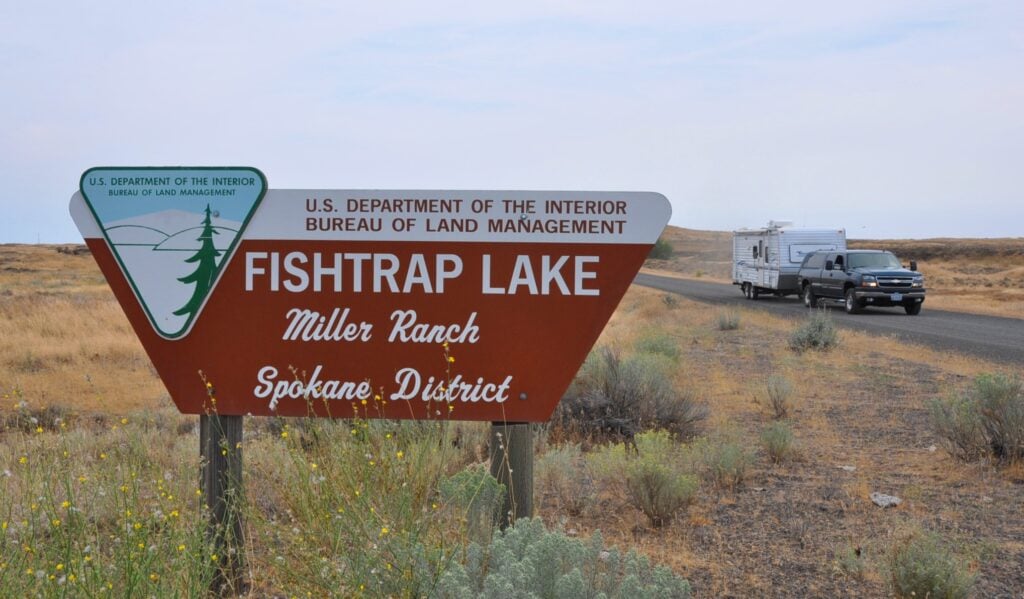
The Bureau of Land Management and Wild Horse Management
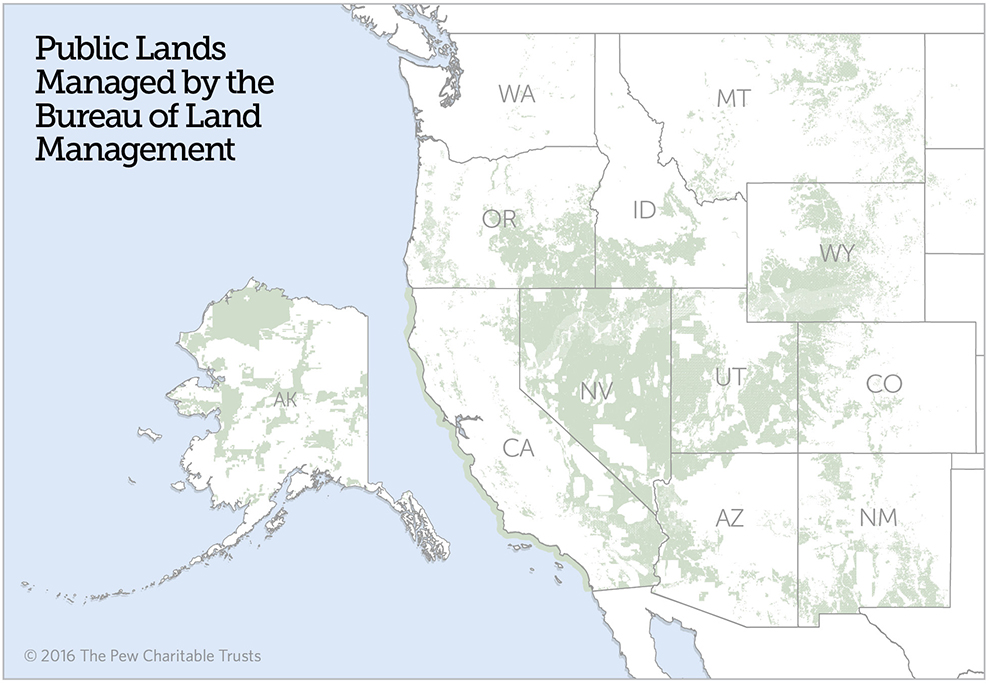
The Bureau of Land Management (BLM) plays a crucial role in managing public lands across the United States, including the stewardship of wild horse populations. This article explores the BLM’s responsibilities, the challenges of wild horse management, and the strategies employed to balance ecological health with the preservation of these iconic animals.
Overview of the Bureau of Land Management (BLM)
The BLM is a federal agency within the U.S. Department of the Interior responsible for administering over 245 million acres of public lands. These lands are used for a variety of purposes including recreation, grazing, resource extraction, and conservation.
Key Functions of the BLM:
- Managing public lands for multiple uses
- Protecting natural, cultural, and historical resources
- Overseeing land use planning and environmental assessments
- Administering permits and leases for grazing, mining, and energy development
Wild Horse Management by the BLM
Wild horses are protected under the Wild Free-Roaming Horses and Burros Act of 1971, which mandates the BLM to manage and protect these animals on public lands.
Challenges in Wild Horse Management:
- Overpopulation leading to overgrazing and habitat degradation
- Conflicts with livestock grazing and land use
- Limited natural predators to control population growth
- Balancing ecological health with animal welfare
Management Strategies:
| Strategy | Description |
|---|---|
| Roundups and Removals | Periodic gathering of excess horses to reduce population density |
| Adoption Programs | Placing horses in private care to reduce wild populations |
| Fertility Control | Using contraceptives to manage reproduction rates |
| Habitat Restoration | Improving rangeland conditions to support sustainable horse populations |
Importance of Wild Horse Management
Proper management ensures the sustainability of public lands, protects native species, and maintains the cultural heritage associated with wild horses.
Frequently Asked Questions (FAQ)
Q1: Why does the BLM remove wild horses from public lands?
A1: To prevent overpopulation that can lead to habitat damage and conflicts with other land uses.
Q2: How can individuals adopt a wild horse?
A2: The BLM offers adoption programs where qualified individuals can apply to care for wild horses.
Q3: What methods are used to control wild horse populations?
A3: Methods include roundups, fertility control, and adoption programs.
Q4: Are wild horses native to the United States?
A4: Wild horses are descendants of domesticated horses brought by Europeans but have become an important part of the western ecosystem.
This article provides a detailed, structured, and SEO-friendly overview of the BLM and its wild horse management efforts, incorporating tables, lists, and FAQs to enhance reader engagement and understanding.