
Retirement and Second Careers in the Horse Industry
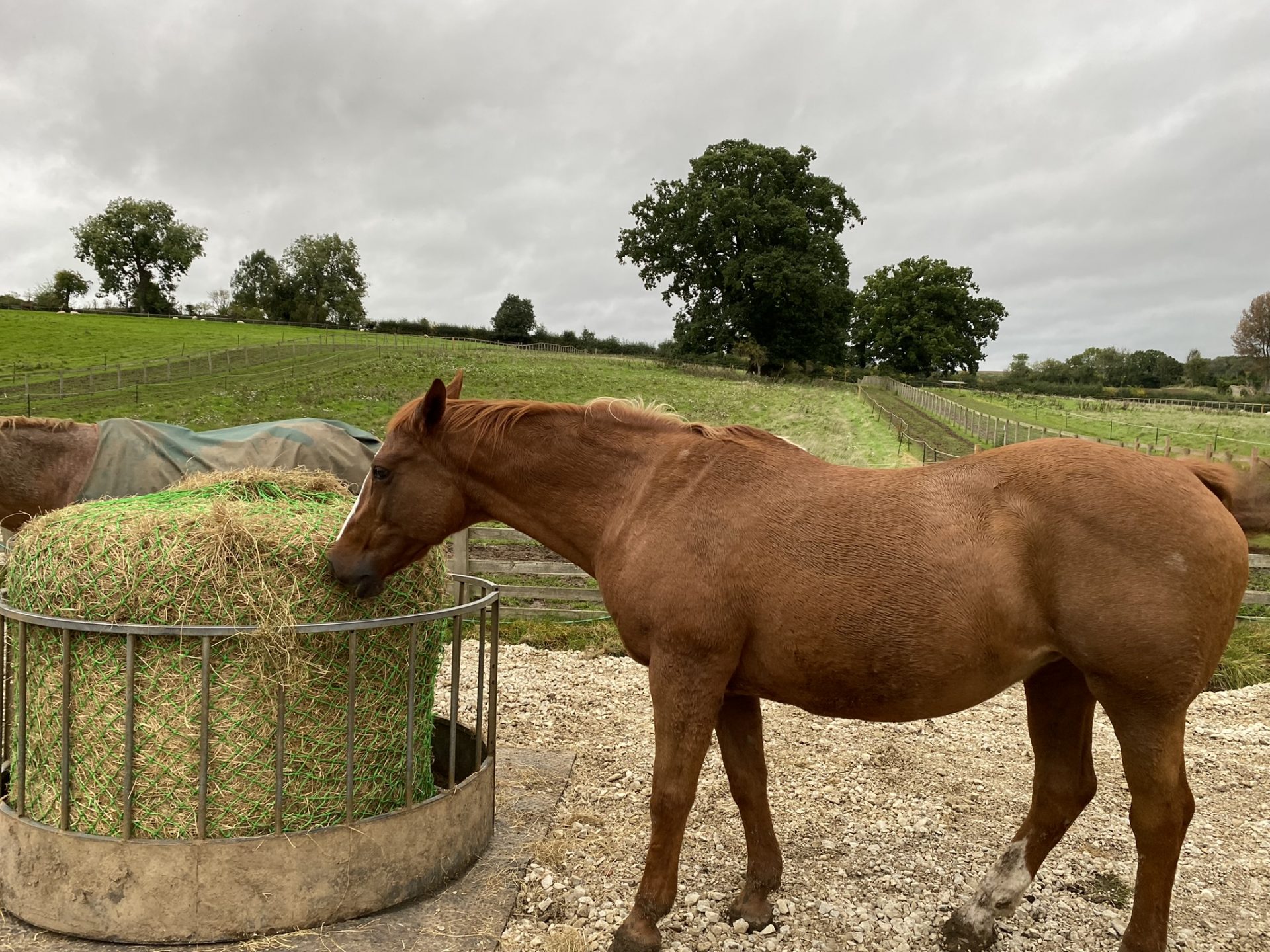
Retirement from a primary career often marks a significant life transition, and for those passionate about horses, it can open doors to fulfilling second careers within the equine world. This article explores the opportunities, challenges, and benefits of pursuing retirement and second careers in the horse industry.
Introduction

Many individuals who have spent their lives working in various professions find a renewed sense of purpose by engaging with the horse industry after retirement. Whether driven by a lifelong passion for horses or the desire to stay active and connected, the horse industry offers diverse career paths that can be both rewarding and sustainable.
Why Choose the Horse Industry for a Second Career?
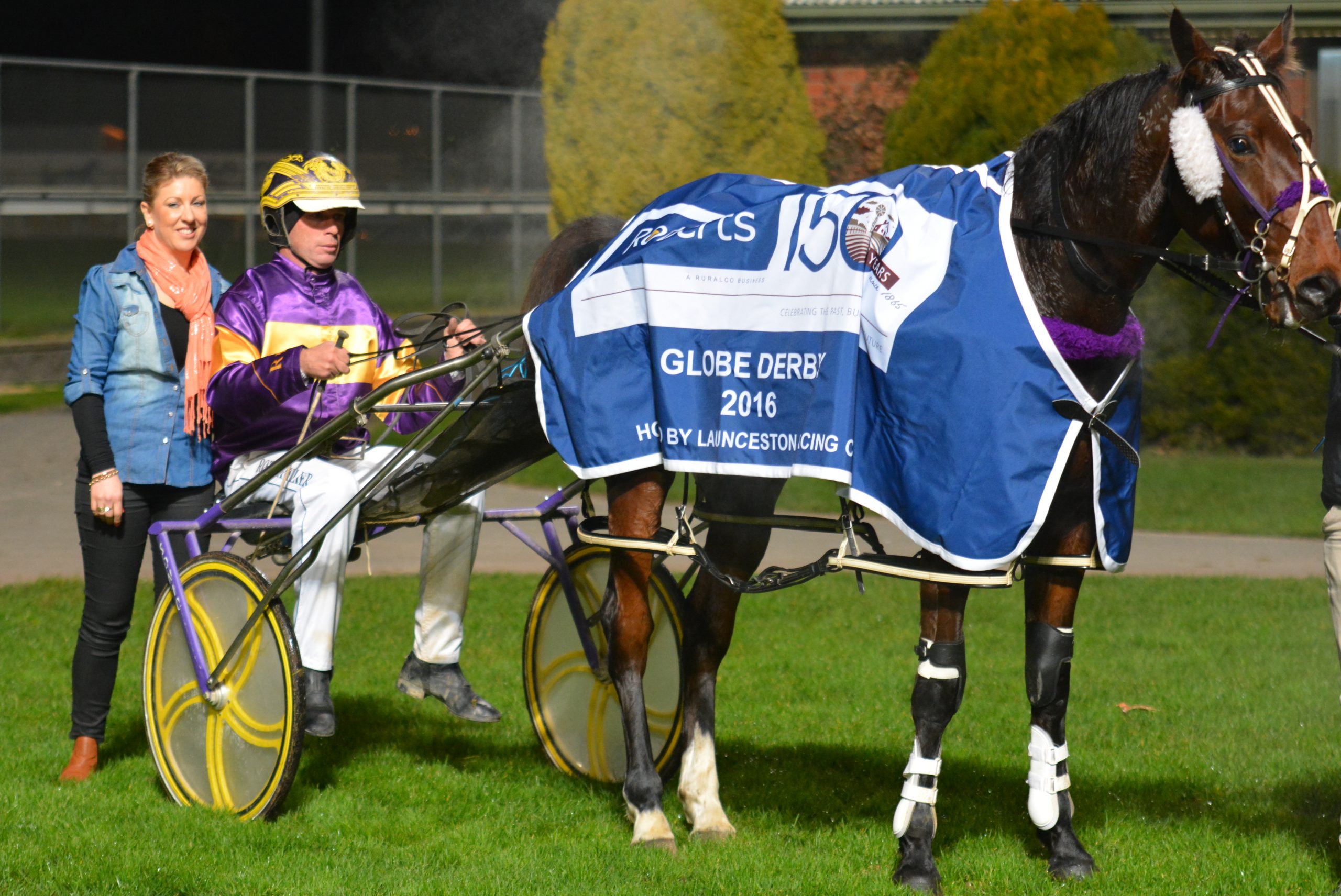
- Passion and Fulfillment: Working with horses can be deeply satisfying, combining physical activity with emotional connection.
- Health Benefits: Engaging in equine activities promotes physical fitness and mental well-being.
- Community and Networking: The horse industry is known for its tight-knit community, providing social opportunities.
- Flexible Opportunities: Many roles offer part-time or seasonal work, ideal for retirees.
Popular Second Careers in the Horse Industry
| Career Path | Description | Required Skills/Qualifications |
|---|---|---|
| Riding Instructor | Teaching riding skills to beginners and advanced riders | Certification in riding instruction |
| Equine Therapy | Using horses to assist in physical and mental therapy | Training in therapy and equine handling |
| Stable Management | Overseeing daily operations of horse facilities | Experience in horse care and management |
| Breeding Specialist | Managing horse breeding programs | Knowledge of genetics and breeding methods |
| Farrier | Providing hoof care and shoeing | Farrier certification and experience |
Challenges to Consider
- Physical Demands: Some roles require significant physical effort.
- Financial Investment: Starting a new career may involve costs for training or equipment.
- Emotional Commitment: Working with animals requires patience and empathy.
Tips for a Successful Transition
- Gain Relevant Education: Take courses or certifications related to your chosen path.
- Network Within the Industry: Attend events, join clubs, and connect with professionals.
- Start Small: Volunteer or work part-time to gain experience.
- Plan Financially: Budget for any initial investments and ongoing expenses.
Frequently Asked Questions (FAQ)
Q1: What age is ideal to start a second career in the horse industry?
A: There is no age limit; many find success starting in their 50s, 60s, or beyond.
Q2: Do I need prior horse experience?
A: While helpful, many entry-level roles offer training for beginners.
Q3: How can I find job opportunities?
A: Look for openings at stables, equine therapy centers, and through industry associations.
Q4: Is it possible to make a full-time income?
A: Yes, with dedication and the right skills, some roles can be full-time careers.
Conclusion
Retirement can be the perfect time to embark on a second career in the horse industry, blending passion with purpose. With the right preparation and mindset, retirees can enjoy meaningful work that keeps them active and connected to a vibrant community.
This article is designed to be SEO-friendly by incorporating relevant keywords such as “retirement,” “second careers,” “horse industry,” and related terms, structured with tables, lists, and FAQs to enhance user engagement and readability.