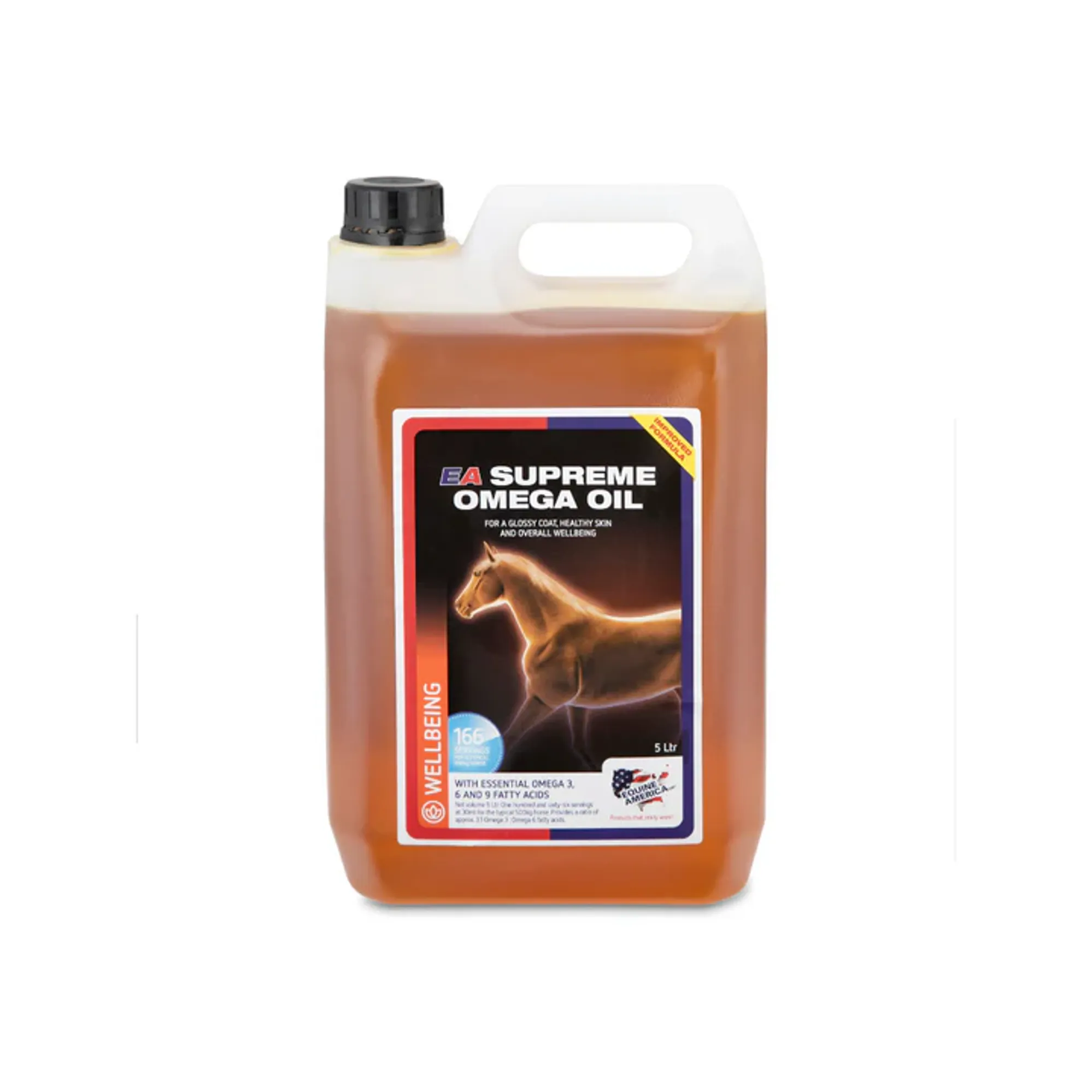
Omega-3 Fatty Acid Benefits for Your Horse
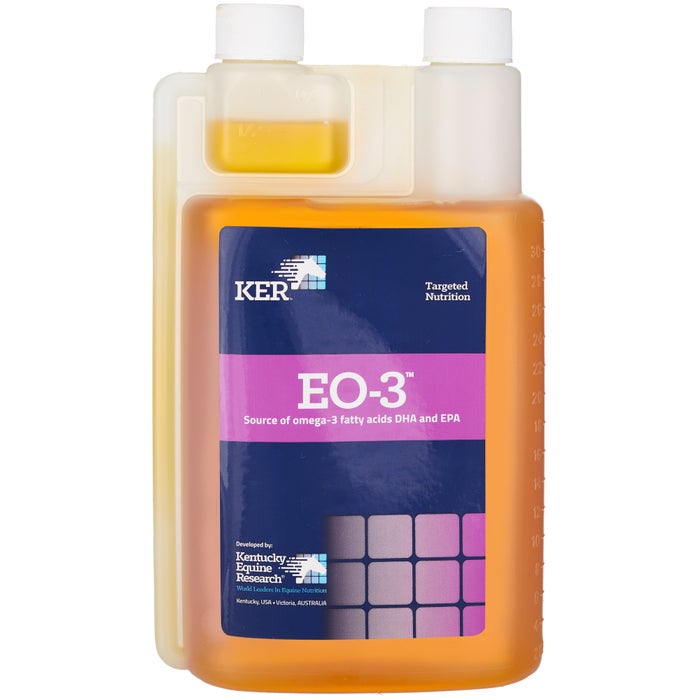
Omega-3 fatty acids are essential nutrients that play a vital role in maintaining the overall health and well-being of horses. Incorporating omega-3s into your horse’s diet can lead to numerous benefits, from improved coat condition to enhanced joint health. This article explores these benefits in detail, providing horse owners with valuable insights and practical advice.
What Are Omega-3 Fatty Acids?
Omega-3 fatty acids are a type of polyunsaturated fat found in various plant and marine sources. The most important omega-3s for horses include alpha-linolenic acid (ALA), eicosapentaenoic acid (EPA), and docosahexaenoic acid (DHA). These fatty acids are crucial for cellular function, inflammation regulation, and overall metabolic health.
Key Benefits of Omega-3 Fatty Acids for Horses
1. Improved Coat and Skin Health
Omega-3s help maintain a shiny, healthy coat and reduce skin inflammation. They support the skin’s barrier function, which can prevent dryness and irritation.
2. Enhanced Joint Health and Mobility
Omega-3 fatty acids have anti-inflammatory properties that can alleviate joint pain and stiffness, especially in older horses or those with arthritis.
3. Better Immune Function
By modulating the immune response, omega-3s help horses fight off infections and recover faster from illnesses.
4. Cardiovascular Health
Omega-3s contribute to heart health by supporting healthy blood flow and reducing the risk of cardiovascular issues.
5. Cognitive Function and Behavior
Some studies suggest omega-3s may improve brain function and reduce stress-related behaviors in horses.
Sources of Omega-3 Fatty Acids for Horses
| Source | Type of Omega-3 | Notes |
|---|---|---|
| Flaxseed (Linseed) | ALA | Commonly used, plant-based |
| Chia Seeds | ALA | High in omega-3, also fiber-rich |
| Fish Oil | EPA, DHA | Marine source, highly bioavailable |
| Algal Oil | EPA, DHA | Plant-based marine alternative |
How to Incorporate Omega-3s into Your Horse’s Diet
- Consult with a veterinarian or equine nutritionist before adding supplements.
- Start with small doses to monitor tolerance.
- Use high-quality, fresh sources to prevent oxidation.
- Balance omega-3 intake with omega-6 fatty acids for optimal health.
Frequently Asked Questions (FAQ)
Q1: Can omega-3 supplements replace a balanced diet?
A1: No, omega-3 supplements should complement a balanced diet, not replace it.
Q2: How long does it take to see benefits?
A2: Improvements in coat and skin may be noticeable within a few weeks, while joint and immune benefits might take longer.
Q3: Are there any risks associated with omega-3 supplementation?
A3: Excessive omega-3 intake can lead to imbalances and should be avoided. Always follow dosage recommendations.
Conclusion
Incorporating omega-3 fatty acids into your horse’s diet can significantly enhance their health, from skin and coat condition to joint mobility and immune function. By understanding the sources and proper supplementation methods, horse owners can ensure their animals receive these essential nutrients safely and effectively.
Would you like me to help improve the clarity or tone of this article? Or perhaps add more detailed scientific references or a section on comparing omega-3 and omega-6 fatty acids?