Is the horse’s expression considered when judging harmony?
Yes, the horse’s expression is considered when judging harmony in equestrian disciplines. A horse’s expression can indicate its comfort, willingness, and partnership with the rider, which are essential components of harmony. Judges assess the horse’s demeanor, looking for signs of relaxation and responsiveness, which contribute to the overall performance evaluation.
What is Harmony in Equestrian Competitions?
Harmony in equestrian competitions refers to the seamless interaction between the horse and rider. It is characterized by fluid movements, mutual trust, and effective communication. Judges look for a partnership where the horse appears content and willingly performs the tasks asked by the rider.
- Fluid Movements: The horse should move smoothly and without resistance.
- Mutual Trust: Both horse and rider should demonstrate confidence in each other.
- Effective Communication: Subtle cues from the rider should elicit precise responses from the horse.
How is a Horse’s Expression Evaluated?
Judges evaluate a horse’s expression by observing its ears, eyes, and overall demeanor. A positive expression suggests that the horse is relaxed and attentive, which is indicative of harmony.
- Ears: Forward or softly moving ears indicate attentiveness and relaxation.
- Eyes: Bright, calm eyes suggest a horse that is comfortable and focused.
- Demeanor: A relaxed jaw and supple neck show the horse’s ease and willingness.
Why is Expression Important in Judging Harmony?
A horse’s expression is a visible indicator of its internal state. A harmonious performance is not only about technical precision but also about the horse’s mental and emotional well-being. A horse that appears stressed or resistant may not be in harmony with the rider, affecting the overall score.
Examples of Expression in Different Disciplines
- Dressage: In dressage, a horse’s expression is crucial for demonstrating suppleness and responsiveness to the rider’s aids.
- Show Jumping: A focused and alert expression is vital for navigating obstacles efficiently.
- Eventing: Across different phases, from dressage to cross-country, a horse’s expression can reflect its adaptability and partnership with the rider.
How Do Judges Score Harmony?
Judges score harmony by considering both the technical execution and the overall impression of the horse-rider pair. The horse’s expression plays a role in the overall impression score.
| Aspect | Importance in Scoring | Description |
|---|---|---|
| Technical Execution | High | Accuracy and precision of movements |
| Overall Impression | Moderate | Includes horse’s expression and partnership quality |
| Expression | Moderate | Reflects horse’s comfort and willingness |
What Can Riders Do to Improve Harmony?
Riders can enhance harmony by focusing on building a strong relationship with their horse. This involves consistent training, effective communication, and ensuring the horse’s comfort.
- Consistent Training: Regular practice helps build trust and understanding.
- Effective Communication: Use clear and gentle aids to guide the horse.
- Comfort: Ensure the horse is physically comfortable, with well-fitted tack and proper care.
Practical Tips for Riders
- Observe Your Horse: Pay attention to your horse’s body language and adjust your approach accordingly.
- Build Trust: Spend time with your horse outside of training to strengthen your bond.
- Seek Feedback: Work with a coach or trainer to identify areas for improvement in your partnership.
People Also Ask
What is the Role of the Rider in Achieving Harmony?
The rider plays a crucial role in achieving harmony by providing clear and consistent cues, maintaining balance, and ensuring the horse’s comfort. A skilled rider can adapt to the horse’s needs and foster a positive environment for performance.
How Can a Horse’s Expression Affect Performance Scores?
A horse’s expression can significantly impact performance scores by influencing the overall impression judges have of the ride. A relaxed and willing expression enhances the perception of harmony, while tension or resistance can detract from it.
Are There Specific Breeds Known for Their Expressive Nature?
Certain breeds, such as the Arabian and Warmblood, are known for their expressive nature and ability to showcase harmony in performance. These breeds often excel in disciplines that require a high degree of partnership between horse and rider.
How Does Stress Affect a Horse’s Expression?
Stress can negatively affect a horse’s expression by causing tension, resistance, and a lack of focus. This can manifest in pinned ears, wide eyes, and a tight jaw, all of which may detract from the harmony score.
What Training Techniques Enhance Harmony?
Training techniques that enhance harmony include groundwork exercises, positive reinforcement, and varied routines to keep the horse engaged and responsive. These methods help build trust and improve communication between horse and rider.
Conclusion
In equestrian competitions, a horse’s expression is a vital component of judging harmony. It reflects the horse’s comfort, willingness, and partnership with the rider, all of which are crucial for a successful performance. By focusing on building a strong bond and understanding with their horse, riders can improve harmony and achieve better scores. For more insights on equestrian training, explore topics like effective communication techniques and building trust with your horse.
Related Posts
- What are the best training aids for a horse that cuts corners?
- What should you do if a horse resists transitions?
- What first aid steps should I take for a fractured bone in an animal?
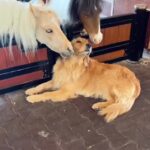 The amazing bond between horses and other animals
- What are the best practices for managing emotions around horses?
- What are common signs that a foal needs deworming?
- What techniques can help manage speed effectively in bends?
- What is the name of the horse in "The Silver Brumby" series?
- What is precision training in martial arts?
- Can rolling be a sign of colic in horses?