It’s a common question whether horses can live on pasture alone during winter. While it might seem idyllic, the truth is that horses usually need supplemental feeding in winter, even with pasture access, to meet their nutritional needs. Winter pastures often lack the necessary nutrients, so hay, grain, or other supplements are essential to keep horses healthy.
Can Horses Survive on Pasture Alone in Winter?
While horses in the wild can survive harsh winters, domesticated horses often require more care. Here’s why:
- Nutrient Deficiency: Winter pastures often have low nutritional value, lacking the energy and protein horses need.
- Increased Energy Needs: Horses require more energy to stay warm in cold weather, so they need supplemental feed to maintain their body condition.
- Pasture Availability: Snow cover can limit access to pasture, making it difficult for horses to graze effectively.
What are the Nutritional Needs of Horses in Winter?
Horses need a balanced diet to stay healthy, and their nutritional needs change with the seasons. In winter, they need:
- Energy: To maintain body temperature and energy levels.
- Protein: For muscle maintenance and repair.
- Vitamins and Minerals: To support overall health and immune function.
- Water: Access to fresh, unfrozen water is crucial.
How to Supplement a Horse’s Diet in Winter?
If pasture alone isn’t enough, here’s how to supplement your horse’s diet:
- Hay: High-quality hay is the most common supplement, providing fiber and energy.
- Grain: Can provide extra energy for horses that need it, especially those working or with higher energy demands.
- Commercial Feeds: Offer a balanced mix of nutrients and can be tailored to specific needs.
- Mineral Supplements: Ensure your horse gets enough essential minerals.
What are the Risks of Inadequate Winter Feeding?
Not providing enough food in winter can lead to several health problems:
- Weight Loss: Horses can lose weight and become underweight, which can weaken their immune system.
- Hypothermia: Insufficient energy intake can make horses more susceptible to cold stress.
- Nutritional Deficiencies: Can lead to various health issues, including poor coat condition and weakened hooves.
People Also Ask
How can I tell if my horse is getting enough to eat in winter?
Monitor your horse’s body condition regularly. You should be able to feel (but not easily see) their ribs. If they seem thin or weak, increase their feed.
What type of hay is best for horses in winter?
Legume hays like alfalfa are high in protein and energy, but grass hays like timothy or orchard grass are also good options. A mix of both can be ideal.
How much water do horses need in winter?
Even in cold weather, horses need plenty of water. An average horse drinks 5-10 gallons per day, so ensure they have access to unfrozen water.
In conclusion, while horses can graze on pasture in winter, it’s usually not enough to meet their nutritional needs. Supplementing with hay, grain, or commercial feeds is essential to keep them healthy and warm.
Would you like to learn more about specific winter feeding strategies for horses?
Related Posts
- What role does parasite control play in preventing head tossing?
- What techniques are effective for a horse that resists training?
- Do different horse breeds paw the ground for different reasons?
- What role does suppleness play in a horse's overall health?
- How do stiff hands impact communication with the horse?
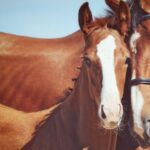 Feeding horses with environmental stress
 Drone technology for property and horse management
- What is the function of a training halter in horse reinforcement training?
- Can light aids be used in conjunction with other methods?
- What are some basic training techniques to reduce head tossing?